
Last updated November 18, 2026








Free written scope consultation - allowances, timeline, and change-order rules on paper before a single trade is scheduled
Home Remodeling Warning Signs Every Homeowner Should Know
If a bid arrives the same day as the walkthrough, treat that as a warning sign. An honest estimate for a kitchen remodel takes 48 to 72 hours to produce properly. In that window, a careful contractor measures the actual space, prices real materials by name and SKU, checks what the walls and subfloor are hiding, and writes a line-item price you can read without a contractor standing next to you explaining it. A same-day bid is either a guess dressed up as a number or a round figure that grows once the walls come down. This guide covers the early behavioral patterns that predict remodeling problems in Summerlin before demo starts, not the late-stage disasters everyone already knows to watch for.
Quick Answer
The biggest warning signs in home remodeling show up before the contract is signed: verbal-only pricing, same-day bids, material specs that say “standard tile” instead of naming a product and SKU, and a contractor who won’t put the change-order process in writing. In our experience in Summerlin, the projects that go sideways are almost always the ones where the bid phase felt rushed or vague. Read the bid and contract carefully and a lot of trouble never reaches your house.
Styles & brands we work with
- Kitchen remodeling
- Bathroom remodeling
- Home additions & ADU
- Roofing
- Windows & doors
- Driveway & pavers
- Fence
Table of Contents
- Warning Signs in the Bid Phase
- Reading the Contract Before You Sign
- Vague Material Specs and Why They Cost You
- Mid-Project Warning Signs Families Notice First
- Change Orders vs. Scope Creep: How to Tell the Difference
- Permit and Inspection Avoidance
- Nevada’s NSCB Complaint Process and What to Document
- Common Mistakes to Avoid
Warning Signs in the Bid Phase
The bid phase is where behavior tells you more than any brochure. A contractor who is organized, careful, and honest will show it in how they produce a number. A contractor who is winging it will show that too. Here is what to watch for before you sign anything.
Verbal pricing with nothing on paper. If a contractor quotes you a figure at the kitchen table and tells you the written version will come later, walk away from that bid. You want a written number before any work starts, and you want it to be itemized. A single lump sum tells you nothing about how the price was built or where it might change.
A bid produced the same day as the walkthrough. Measuring a Summerlin kitchen with an island, a pantry, and a wall oven cabinet is not a five-minute job. Neither is pricing cabinets from KraftMaid or Wellborn, checking what the appliance openings require, or verifying that a new tile floor will sit flush against a hallway threshold. A same-day bid is missing that work, and the missing work shows up later as a change order.
A price that is suspiciously round. “$48,000 for the whole bathroom” is a red flag if there is no line-item breakdown underneath it. Round numbers are easy to adjust upward. Itemized numbers with real product names and real quantities are harder to move without you noticing.
Vague talk about who will actually be on site. Ask who will be in your house. You should get a clear answer about background-checked, uniformed technicians and consistent crews. If the answer is “whoever’s available,” that’s information about how your project will be run.
For a fuller walkthrough of how a careful bid should look, see our page on general contractor services in Summerlin.
Reading the Contract Before You Sign
A remodeling contract is not paperwork to skim past. It’s the document that tells you what happens if something goes wrong, and most of the early warning signs live inside it. Sit with it for twenty minutes with a pen in hand.
What a fair contract includes
- A written, itemized price with named materials and quantities
- A clear start date and a realistic timeline broken down by phase
- Named products with manufacturer references, not generic descriptions
- The change-order process spelled out, including how price changes are approved
- A payment schedule tied to completed milestones, not to dates on the calendar
- A cleanup and protection clause that names what will be covered and how
- Who holds the permits and who is responsible for the inspections
- The warranty terms in writing, with a defined period
What should make you pause
A large deposit before any material is ordered is a bad sign, and it’s not the way careful contractors work. A contract with no mention of permits is a bigger one. So is a contract that includes language letting the price “adjust based on market conditions” without a defined ceiling or approval process. If a contractor pushes you to sign the same evening because “the price is good today only,” that is a pressure tactic, not a pricing structure.
In Summerlin specifically, older homes near the inner neighborhoods sometimes have original features that a proper contract should account for: original plumbing runs, older electrical panels, and patios that were added without permits decades ago. A careful bid acknowledges that these might need attention and prices the discovery process, rather than pretending they won’t exist.
Vague Material Specs and Why They Cost You
“Standard tile” is not a material spec. It’s a placeholder, and it means you’ve agreed to a price without knowing what’s actually being installed. The same is true of “premium cabinets,” “high-end countertops,” and “designer fixtures.” None of those are things you can look up, price, or hold a contractor to.
A real spec names the brand, the product line, the color or finish, and ideally the SKU or model number. For example, cabinets might be specified as KraftMaid in a particular door style and finish. Countertops might be named as Cambria or Silestone, with the specific color called out because countertop colors are priced very differently from each other. Fixtures might be named as Kohler in a specific model. A faucet model number is a price, and “a nice faucet” is not.
Why this matters more than it sounds: when the spec is vague, the contractor has flexibility the contract doesn’t protect you from. If your written spec says “standard tile” and you want an upgraded tile, that becomes a change order with the contractor’s margin on it. If your spec names the tile you researched by name and SKU, the price is fixed and the manufacturer warranty travels with the finished project.
This is where families often discover the cost difference the hard way. A bathroom remodel in Summerlin might run $12,000 to $18,000 in a hall bath and $25,000 to $45,000 or more for a primary bath with a curbless shower and heated floor, depending on material choices. The choice of Cambria versus Silestone versus a budget quartz is one of the biggest levers. Naming that choice in the contract is the only way to hold the price. Our page on bathroom remodeling in Summerlin breaks this down further.
Mid-Project Warning Signs Families Notice First
Once work starts, the signs shift from the paperwork to the house itself. Families with children and pets notice these faster than anyone, and they’re right to. A crew that doesn’t protect your home doesn’t take the work seriously.
What to watch for
- No containment before demo. A crew that starts swinging a hammer without sealing doorways with plastic and laying drop cloths on the floors is spreading dust into the rest of the house. In a Summerlin home with a recirculating HVAC system, that dust gets pulled into every room within a few hours. Drop cloths and shoe covers should be there on day one, not after you ask.
- Hazardous waste left unmarked or where kids can reach it. Demo produces sharp debris, nails, and sometimes old insulation or caulking that shouldn’t be accessible to pets or children. A crew that piles it in a hallway overnight instead of bagging and removing it is a crew that hasn’t thought about who lives in this house.
- Workers without consistent ID on site. You should be able to recognize who is in your home. Background-checked, uniformed technicians with consistent names on the job is what you’re paying for. If a different person you’ve never seen is in your kitchen every day, ask.
- No quiet hours respected. If work starts during a toddler’s nap or continues at 6 a.m. on a school morning, that’s a planning problem. Quiet tools during rest hours where possible is a reasonable ask, and a good crew will already know.
- No cleanup photo before the crew leaves. A photo of the clean-up, taken before the crew walks out the door, is how you know what you’re walking into when you get home.
In Summerlin specifically, the dust and heat combine in a way that makes containment a real health consideration, not just a courtesy. Our page on Elmstead Remodeling Summerlin home explains how we structure this for families.
Change Orders vs. Scope Creep: How to Tell the Difference
Change orders are normal. Any remodeling project will have them, especially in an older Summerlin home where the walls reveal what the bid couldn’t. The difference between a legitimate change order and scope creep is in the paper trail, and it’s in who proposed the change.
A legitimate change order looks like this
- You or the contractor identify something the plan didn’t account for (a cracked drain, an unpermitted wall, a joist that’s soft).
- The contractor gives you a written price for the adjustment, with materials named and hours identified.
- You approve or decline in writing before the work proceeds.
- The work is completed and documented.
Scope creep looks like this
- The contract was vague on materials or quantities, so the price had room to move.
- The contractor “discovers” issues that a careful bid would have anticipated.
- The adjustment gets discussed verbally, and you’re told it will be added to the final bill.
- You see the new number for the first time when the invoice arrives.
The tell is the written price before any work starts. If a contractor won’t put the adjustment in writing and get your approval first, the number is going to be whatever feels convenient at the end. Our page on kitchen remodeling in Summerlin covers how we handle mid-project discoveries on older homes, where cabinets come out and original framing is exposed.
Permit and Inspection Avoidance
Some contractors will steer you around permits. It’s usually framed as a favor: “We can save you money if we skip the permit,” or “That permit isn’t really necessary for this kind of work.” Both of those statements should make you stop.
Permits and inspections exist because the work is the kind of work that can fail badly later. Structural changes, electrical, plumbing, and gas all get inspected for a reason. When a contractor skips the inspection, the homeowner is the one who carries the risk, and it can show up years later:
- Insurance issues. If unpermitted work causes a fire or water damage, your insurer can deny the claim.
- Resale problems. Unpermitted work gets discovered during the buyer’s inspection, and it often has to be corrected before a sale closes.
- Code violations on record. In Summerlin and the wider Clark County area, unpermitted work can create problems with the county and with HOA documentation.
- Zero recourse. If the work was never permitted or inspected, there’s no inspection record to point to when something fails later.
What does permit avoidance look like in practice? A bid that’s missing the permit line entirely. A contractor who asks you to pull the permit in your own name. A contractor who “can’t fit the inspection into the schedule” or who asks you to say the work was minor. Any of those should end the conversation. Permits should be pulled for the work and inspections should pass before the job closes out, and you deserve to see the paperwork.
Nevada’s NSCB Complaint Process and What to Document
If a project does go wrong, Nevada has a formal path for homeowners. The Nevada State Contractors Board (NSCB) is the state agency that licenses contractors and investigates complaints. The complaint process only works if you have documentation, and the time to build that documentation is from day one, not after a problem shows up.
What to keep from the first meeting
- The written bid and the contract, signed and dated
- All change orders with dates and your written approvals
- Every invoice and proof of payment
- Photos of the work at each phase, including before and after
- Emails, texts, and written correspondence with the contractor
- The permit numbers and the inspection results
- Any warranty documents and product names and models
What the NSCB process involves for a homeowner: filing a complaint through the Board, providing the documentation above, and participating in an investigation. The Board can issue disciplinary action against a licensed contractor, and it can order corrective action in some cases. It can’t recover money directly, so a civil claim may still be necessary. In practice, most homeowners who need the NSCB process need it because the early behavior gave them no protection. The contractors who won’t put pricing in writing, won’t name products, and won’t pull permits are the ones who end up in front of the Board, and the homeowners who hired them are the ones holding years of stress.
The other lesson from the NSCB files: a signed contract is protection, not a formality. If your contractor refuses to put something in writing, that’s not a shortcut. That’s the thing you’ll wish you had.
Common Mistakes to Avoid
- Hiring on the first bid. Get two or three bids and compare them line by line. In a Summerlin market where remodeling demand runs high, the fastest bid is not the best one. Take the extra week.
- Treating a verbal price as a price. Verbal numbers don’t exist in a dispute. Insist on a written, itemized bid before any work starts, on every project.
- Accepting a vague material spec. “Designer tile” means nothing. Named product, line, color, and SKU is what you want in writing.
- Not checking permit status before demo. Ask for the permit number before demolition day. Look it up. If the contractor waves the question off, that’s your answer.
- Skipping documentation of the clean-up and protection. A photo of the clean-up before the crew leaves is proof of how your home was treated, and it’s also useful documentation if anything gets damaged.
- Letting workers in without consistent identity. Background-checked, uniformed technicians with consistent crews should be the baseline. If you can’t identify everyone in your home, that’s a gap.
- Not asking about pets and kids before work starts. Pet-safe product choices and quiet hours during rest time are things a good crew already plans for. Ask how they’ll handle it.
See the difference
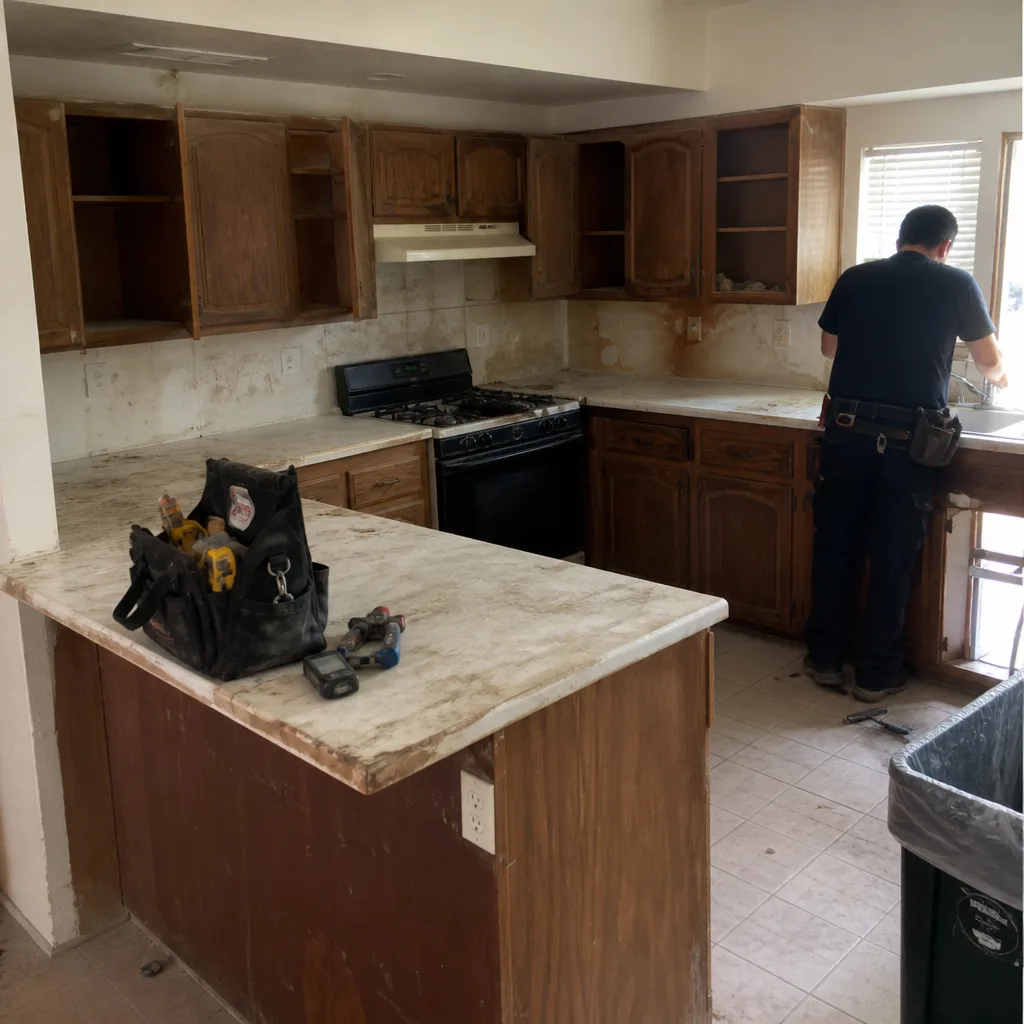 Before
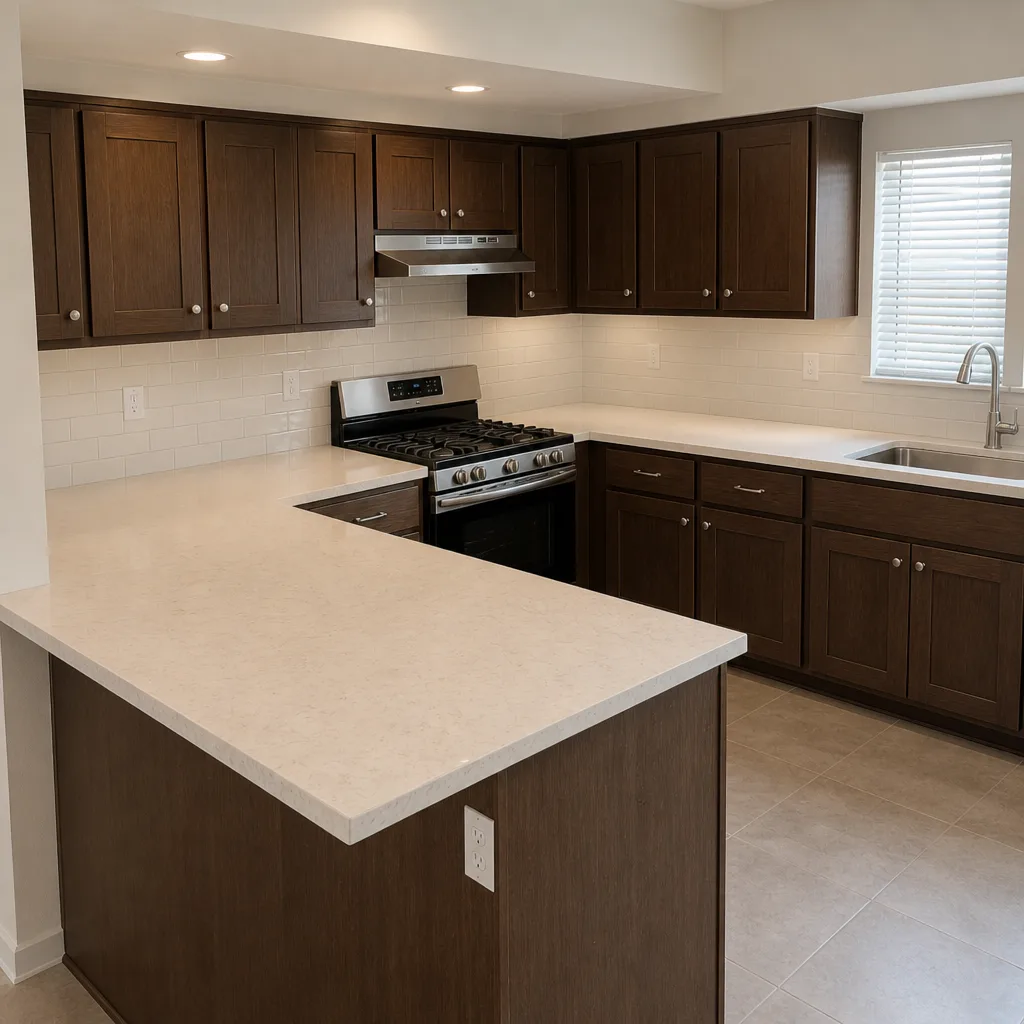 After
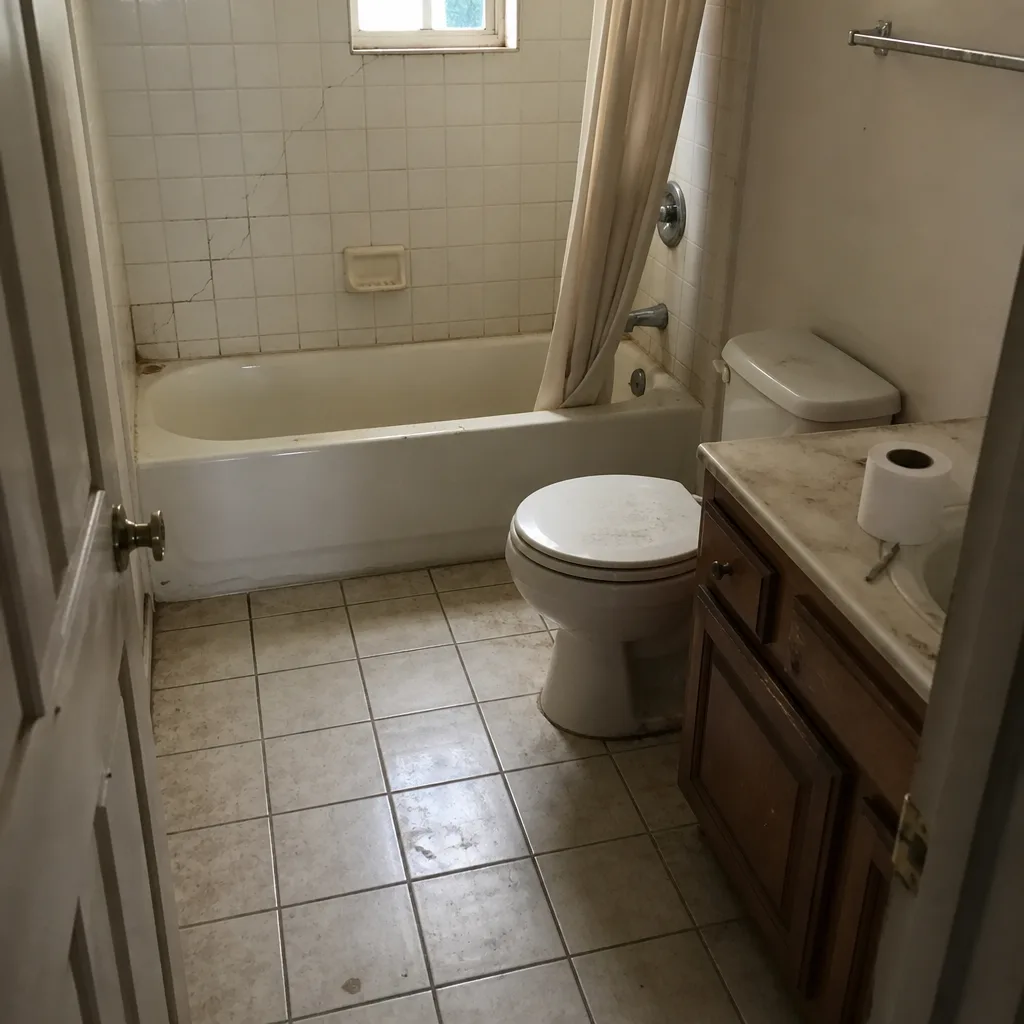 Before
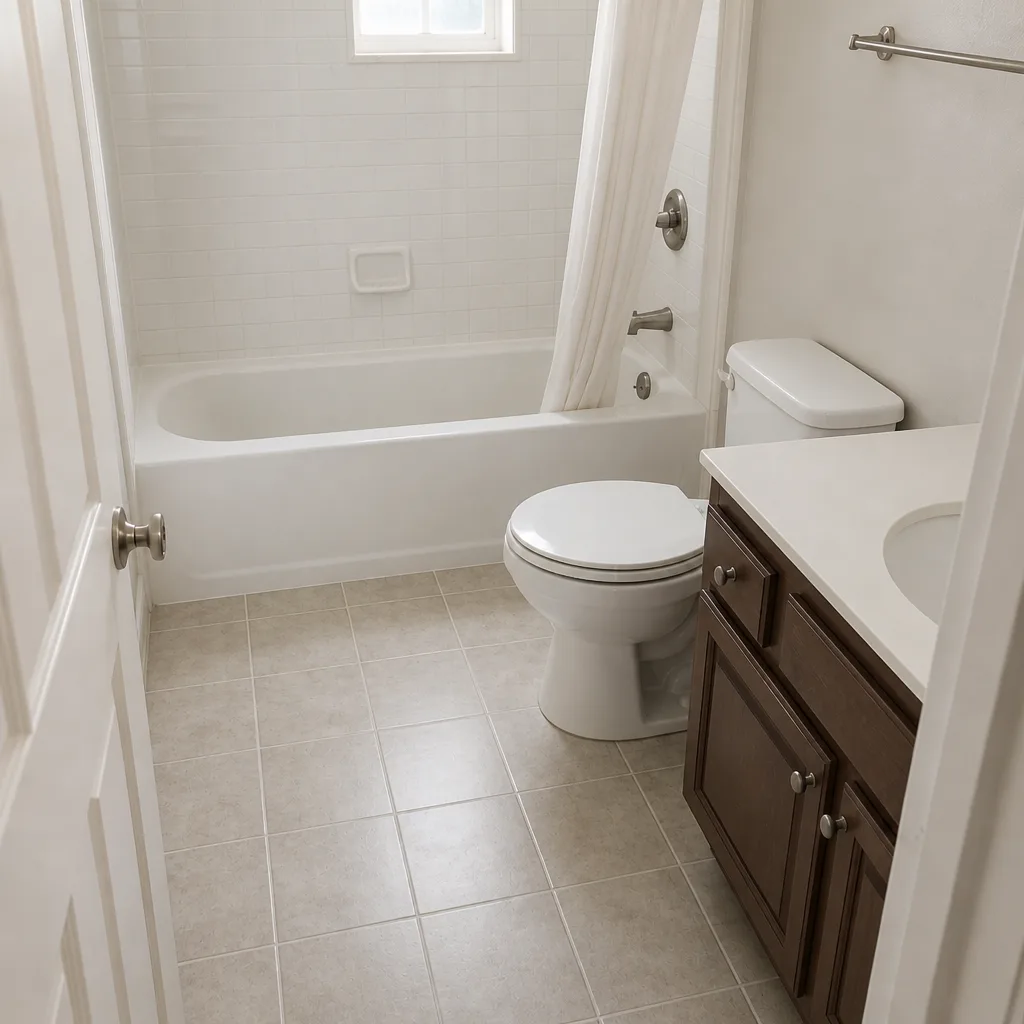 After
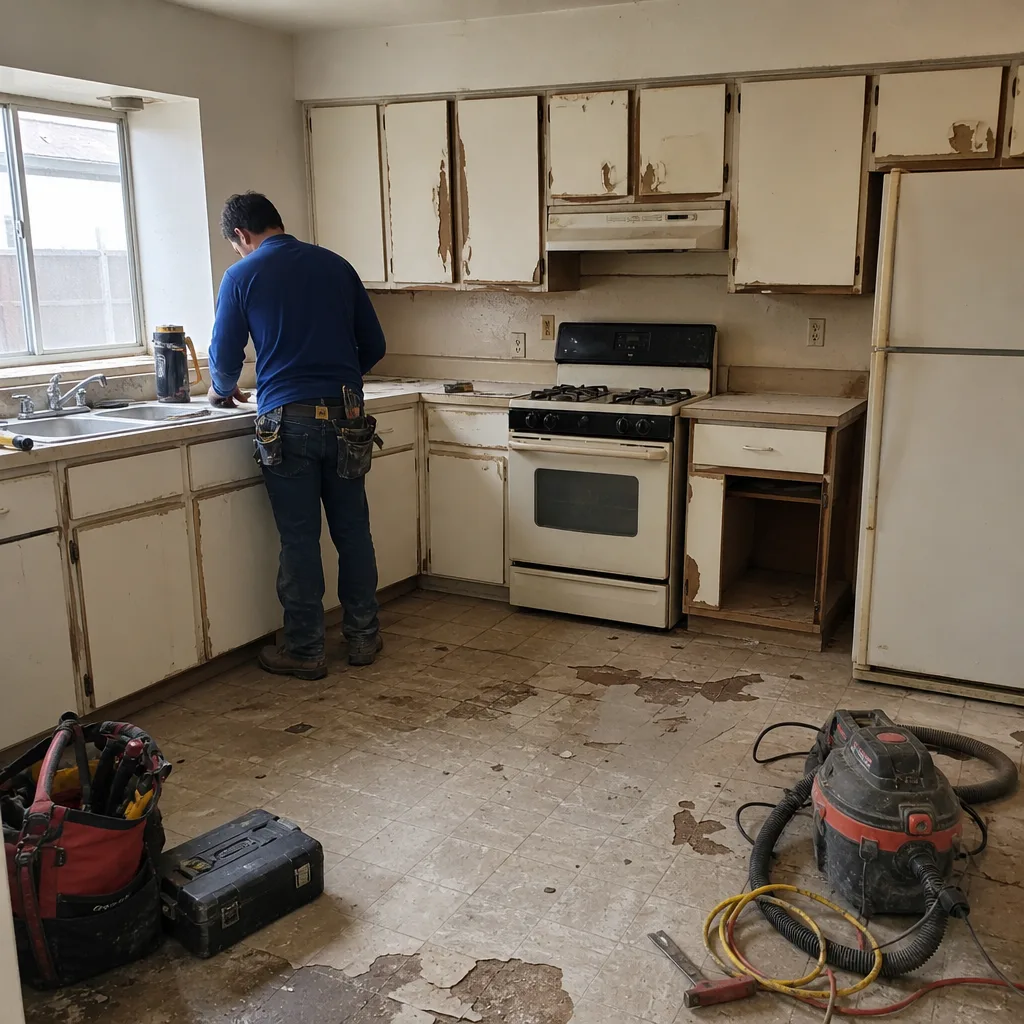 Before
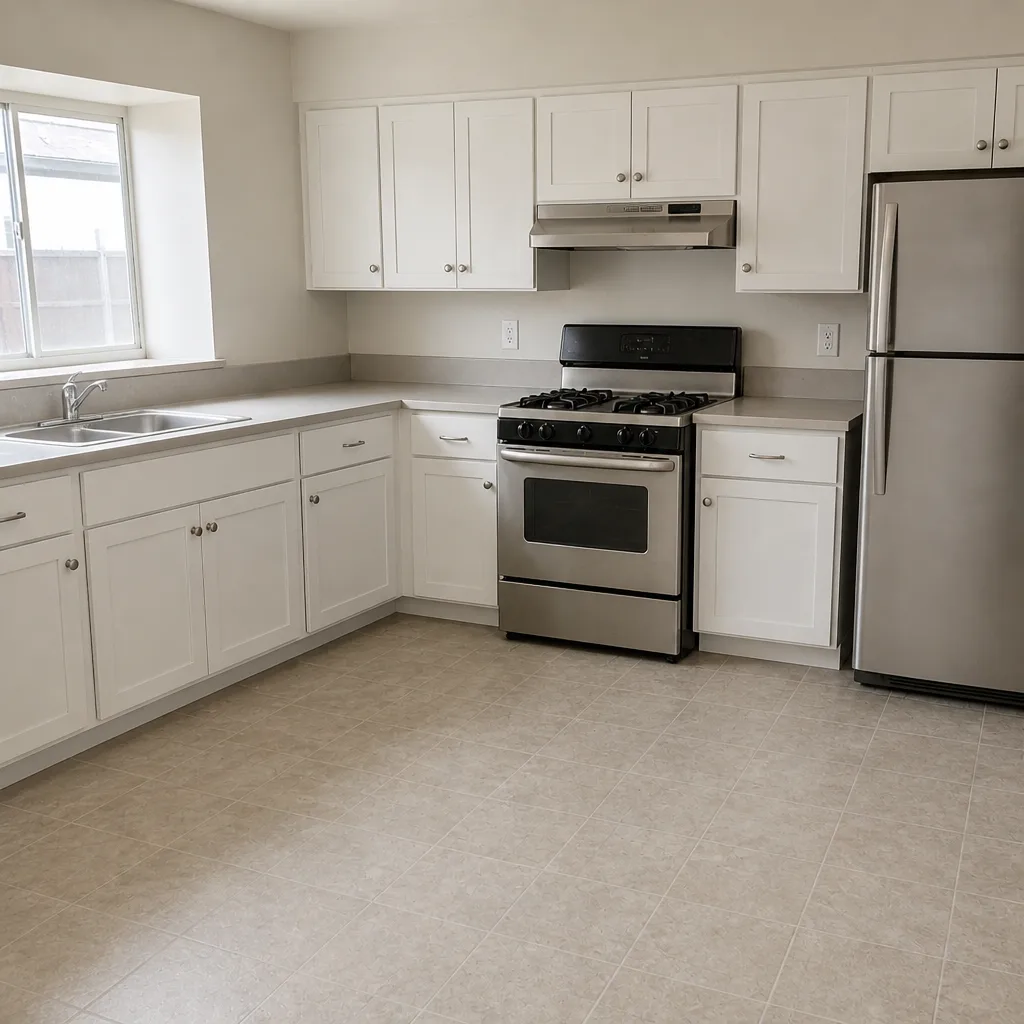 After
When to Call a Professional
Some warning signs you catch in the bid phase, and you can walk away with no harm done. Others you inherit from a prior project, or you discover mid-renovation when a crew has gone quiet. If you’ve found unpermitted work, a contractor who won’t return calls, an invoice that doesn’t match the contract, or a change order that appeared out of nowhere, you’re at the stage where you need a careful professional to assess what’s been done and what needs correcting. That’s not always the contractor you started with. In Summerlin, we’ve seen families recover from all of those situations with a clean restart, a written scope, and a crew that establishes containment before the first tool comes out.
Elmstead Remodeling Summerlin offers free estimates in Summerlin. Call (844) 797-4877 to schedule a walkthrough and get a written, itemized price before any work starts.
Frequently Asked Questions

An honest bid is itemized, names products with manufacturer references, and was produced after a careful measurement and site check, not the same day as the walkthrough. If a bid is a single round number with no line items and no named materials, it’s not ready to sign. Call (844) 797-4877 for a written estimate you can compare line by line – estimates are free.
Yes, and it’s one of the clearest ones. In Summerlin and the wider Clark County area, permits and inspections exist because the work involves structural, electrical, plumbing, or gas components that can fail in expensive ways later. A contractor who avoids permits is transferring that risk to you. Ask for the permit number before demo starts.
A legitimate change order is a written price for a specific adjustment, given to you before the work is done, with your written approval attached. Scope creep looks different: a verbal adjustment, no written price, and a surprise on the final invoice. If the change isn’t in writing before the work happens, treat it as a warning sign.
Kitchens in Summerlin typically run $30,000 to $45,000 for a mid-range full remodel and $60,000 to $90,000 or more for a larger kitchen with named-brand cabinets from KraftMaid or Wellborn, Cambria or Silestone countertops, and a layout change. The cost depends heavily on cabinet brand, countertop material, and whether plumbing or electrical gets relocated. Call (844) 797-4877 for an exact quote – estimates are free.
Keep the signed contract, every written bid, every change order with your approval, all invoices, photos at each phase, the permit numbers, and the inspection results, in one folder from day one. The NSCB complaint process needs that documentation, and it’s much harder to assemble after the fact. Start the folder before the contract is signed.
It shouldn’t change without a written change order you approve first. A careful contractor gives you a written price before any work starts and puts any adjustment in writing before it happens. If your contractor can’t commit to that, the price is going to move when they decide it should. Call (844) 797-4877 for a written price that stays put.
The Bottom Line
The warning signs that predict remodel trouble show up early: same-day bids, verbal pricing, vague material specs, no written change-order process, and a contractor who’d rather skip the permit than pull it. Catch those in the bid phase and the project rarely goes sideways. The families who end up in a hard position are usually the ones who signed a fast contract with soft numbers and no documentation, and by the time the problem shows up, the leverage is gone. Read the bid carefully. Ask for the written price before anything starts. Name the products. Ask for the permit number. Get the clean-up promise in writing. Do those four things and you’ll avoid most of the trouble this guide exists to prevent. In Summerlin, we’ve seen every one of these situations up close, and the answer is almost always the same: more paper, fewer surprises.
Call (844) 797-4877 for a free estimate on your Summerlin remodeling project. A live person answers 24/7 – no voicemail, no bot, no waiting until Monday. Every project we take on carries a written price before any work starts, background-checked, uniformed technicians, and the 365-Day Done Right Promise: if it’s not done right, we make it right.
Written by the team at Elmstead Remodeling Summerlin.