Last updated November 18, 2026








Free written scope consultation - allowances, timeline, and change-order rules on paper before a single trade is scheduled
Seasonal Construction Care for Summerlin: Year-Round Homeowner’s Guide
Summerlin can log a freezing overnight low and an 85°F afternoon in the same January week. That single fact breaks most seasonal maintenance advice, because guides written for Phoenix or Tucson assume a mild winter that never shows up here. Homes in The Ridges, Red Rock and The Trails sit at elevation, against the Spring Mountains, where cold air drains down at night and stucco takes a UV beating by day. We’ve watched pipes sweat and crack in the same month we’ve re-caulked windows baking at 150°F. This guide lays out a real Summerlin calendar: what to do, when to do it, and how to keep a log a contractor can quote from.
Quick Answer
Summerlin’s home care year has two seasons that actually matter for your structure: a heat-and-UV season from May through September, and a monsoon-and-freeze window that runs July through February. They overlap in late summer and early fall, which is where most homeowners fall behind. The core tasks are re-caulking before peak heat, clearing scuppers and downspouts before monsoon rain, wrapping exterior pipes and faucets before the first freeze, and logging every inspection so a contractor can price preventive work instead of emergency repairs.
Styles & brands we work with
- Kitchen remodeling
- Bathroom remodeling
- Home additions & ADU
- Roofing
- Windows & doors
- Driveway & pavers
- Fence
Table of Contents
- Why Summerlin Has Only Two Seasons That Matter
- May – September: The Heat and UV Season
- July – September: Monsoon Tasks Most Guides Skip
- October – February: The Freeze Window You’re Underestimating
- Year-Round Pool Deck and Hardscape Inspection
- How to Build a 12-Month Maintenance Log Contractors Can Quote From
- Common Mistakes to Avoid
- Frequently Asked Questions
Why Summerlin Has Only Two Seasons That Matter
Most seasonal guides are built around four tidy seasons. Summerlin doesn’t cooperate. The community sits on the western edge of the Las Vegas Valley, climbing from around 2,800 feet near the 215 up toward 4,000 feet in the higher villages, so the overnight temperature swing is wider than the valley floor below. That elevation is why a Summerlin January can swing 50 degrees between dark and mid-afternoon, and why a February cold snap can catch pipes that spent the previous week warm.
For your home’s structure, that means two overlapping seasons:
- The heat-and-UV season (May – September): intense sun, surface temperatures that punish caulk, sealant, paint and roofing, and attics that turn into ovens.
- The monsoon-and-freeze window (July – February): sudden heavy rain in late summer, then the first hard freezes sometime between November and January.
They collide in August and September. You’re still in peak heat when the monsoon arrives, so you need sun-rated sealants that also handle a fast soaking, and you need scuppers clear before the first storm, not after. Advice written for a Phoenix homeowner, where the freeze risk is far lower, will leave your exterior faucets and stucco exposed. Treat Summerlin as its own climate zone and the calendar gets simpler, even though the tasks overlap.
May – September: The Heat and UV Season
By mid-May, Summerlin is already pushing triple digits on exposed surfaces, and the work you do in the next six weeks decides how the house holds up through August. The heat is not just uncomfortable; it degrades the materials that keep water out and air sealed in.
- Re-caulk windows and exterior joints before peak heat. UV breaks down caulk faster here than in most of the country, and once it fails, monsoon rain finds the gap. Get to window perimeters, door thresholds and any joint where stucco meets trim before June.
- Check attic insulation R-value against real attic temps. A Summerlin attic can hit 150°F, and undersized insulation lets that heat radiate down into living space and stresses your HVAC. If your insulation is thin or compressed, this is the season to address it, not October.
- Inspect exterior paint and stucco for chalking and hairline cracks. Sun-facing walls, especially the west and south elevations, age fastest. Catching cracks before they widen saves a much larger repair.
- Look at roof flashing and sealant at penetrations. Heat expands roofing materials and can open a seam that was fine in spring.
We’ve seen Summerlin homes where a $200 re-caulk in May would have prevented a $2,000-plus stucco and drywall repair by September. That’s the trade the heat season is really about. If the work spills into structural repair or a bigger exterior project, a General Contractor in Summerlin can scope it accurately rather than guess.
July – September: Monsoon Tasks Most Guides Skip
Summerlin’s monsoon window delivers fast, heavy rain after months of dry. The ground is hard, water runs instead of soaking in, and it looks for the weakest point on your roof and walls. Two tasks matter more than any others, and neither shows up in most generic checklists.
Clear scuppers and downspouts before the first storm. Desert roofs and parapets collect dust, leaves and grit over the dry months, and a clogged scupper turns a normal rain into water backing up behind a wall. Clear every scupper and downspout, and check them again after the first big event.
Inspect stucco cracks after rain events. Water that gets behind stucco through a hairline crack can travel and show up as a stain far from the source. Walk the exterior after a storm and note any new cracks, bubbling or staining. This is also where a simple material choice helps: repairs using a product like Sakrete for patching and setting hardscape or small concrete areas gives a predictable, verifiable result.
- Check the base of exterior walls for staining or soft stucco after rain.
- Confirm grading sheds water away from the foundation, not toward it.
- Look at window and door corners, where water concentrates.
- Photograph anything new; a dated photo is worth more to a contractor than a memory.
If a monsoon event finds a soft wall or a failed roof detail, that’s the moment to bring in a professional before the next round of rain. The fix is often small; the delay is what gets expensive.
October – February: The Freeze Window You’re Underestimating
This is the section Summerlin homeowners skip, and it’s the one that causes the most preventable damage. Because the valley below stays mild, many people assume the whole area does. It doesn’t. Higher-elevation Summerlin villages can drop below freezing overnight in winter, and a single hard freeze is enough to burst an unprotected pipe.
- Cover exterior faucets. A simple insulated faucet cover costs very little and protects the most exposed pipe on the house.
- Insulate pipes in exterior walls and the garage. Garage walls and any pipe running along an exterior wall are the first to freeze. Foam pipe insulation is cheap; a burst pipe behind drywall is not.
- Disconnect hoses and drain them. A hose left connected holds water against the faucet and defeats any cover.
- Know where your main water shutoff is. If a pipe does freeze and split, shutting off fast limits the damage. Walk the family through it now, not at 2 a.m.
- Re-check stucco and sealant after the first freeze. Freeze-thaw cycles widen small cracks opened during the heat season.
The swing is the point. A warm January afternoon tells you nothing about the overnight low that follows, and that’s exactly the trap. Treat October through February as a real freeze season in Summerlin and you’ll avoid the most common winter call we get.
Year-Round Pool Deck and Hardscape Inspection
Summerlin’s pool decks, patios and driveways live through a constant thermal expansion and contraction cycle: hot days, cool nights, freeze-thaw in winter. That cycle is what opens joints, lifts pavers and cracks concrete over time. A short inspection a few times a year catches it early.
- Walk the deck and patio: look for lifted pavers, popped joints and hairline cracks that have widened since last check.
- Check the pool deck edge and coping: separation between coping and decking lets water in and speeds the damage.
- Inspect control joints in concrete: they’re there to crack in a controlled way. If a crack has jumped the joint, note it.
- Look at hardscape near downspouts: concentrated water is the fastest way to undermine a patio or walkway.
Small paver and concrete repairs done early stay small. For a patio or hardscape repair, a material like Sakrete is a known, dependable choice that holds up to Summerlin’s sun and temperature swings, and it’s the kind of named product you can look up and verify before work starts.
How to Build a 12-Month Maintenance Log Contractors Can Quote From
Here’s the practical payoff of everything above. A simple log turns “something’s wrong with the wall” into a documented history a contractor can price accurately, which means a real written number instead of a wide guess. It also fits how we work: a written price before any work starts, every time.
- Start one page per system: roof, stucco and exterior, plumbing and pipes, pool deck and hardscape, attic and insulation. One section each.
- Log the date, the observation and a photo. “Aug 3, scupper cleared, grit buildup, photo” is enough.
- Note the season-specific tasks as done: May re-caulk, July scupper clear, November faucet covers, first-freeze pipe check.
- Record any repair and the material used, including named products, so warranty terms can be checked later.
- Bring the log to the estimate. A dated photo of a crack widening over two seasons tells a contractor exactly what’s happening and how fast.
That last step is the whole point. Preventive work quoted from a documented log is smaller, cheaper and easier to schedule than a reactive repair after a failure. It’s also how a whole-home project gets scoped without surprises, which is where Elmstead Remodeling Summerlin home services come in when the log points to larger work.
Common Mistakes to Avoid
- Using Phoenix or Tucson winterizing advice. Those guides understate the freeze risk, and following them leaves exterior faucets and pipes unprotected in higher Summerlin villages.
- Waiting until after the first storm to clear scuppers. The backlog of dry-season dust is already there by July; clear it before rain, then check again.
- Caulking in August instead of May. Sealant applied in peak heat cures poorly. Get exterior joints sealed before the worst of the sun.
- Ignoring attic temps. A 150°F attic with thin insulation stresses the HVAC all summer; check the R-value, don’t assume.
- Skipping the post-rain stucco walk. Water behind a hairline crack travels, and the stain shows up somewhere you weren’t looking.
- No log. Without dates and photos, every repair estimate starts from zero and comes back wide.
- Assuming a warm day means no freeze. The overnight swing in Summerlin is the trap; protect pipes through February regardless of the afternoon temperature.
See the difference
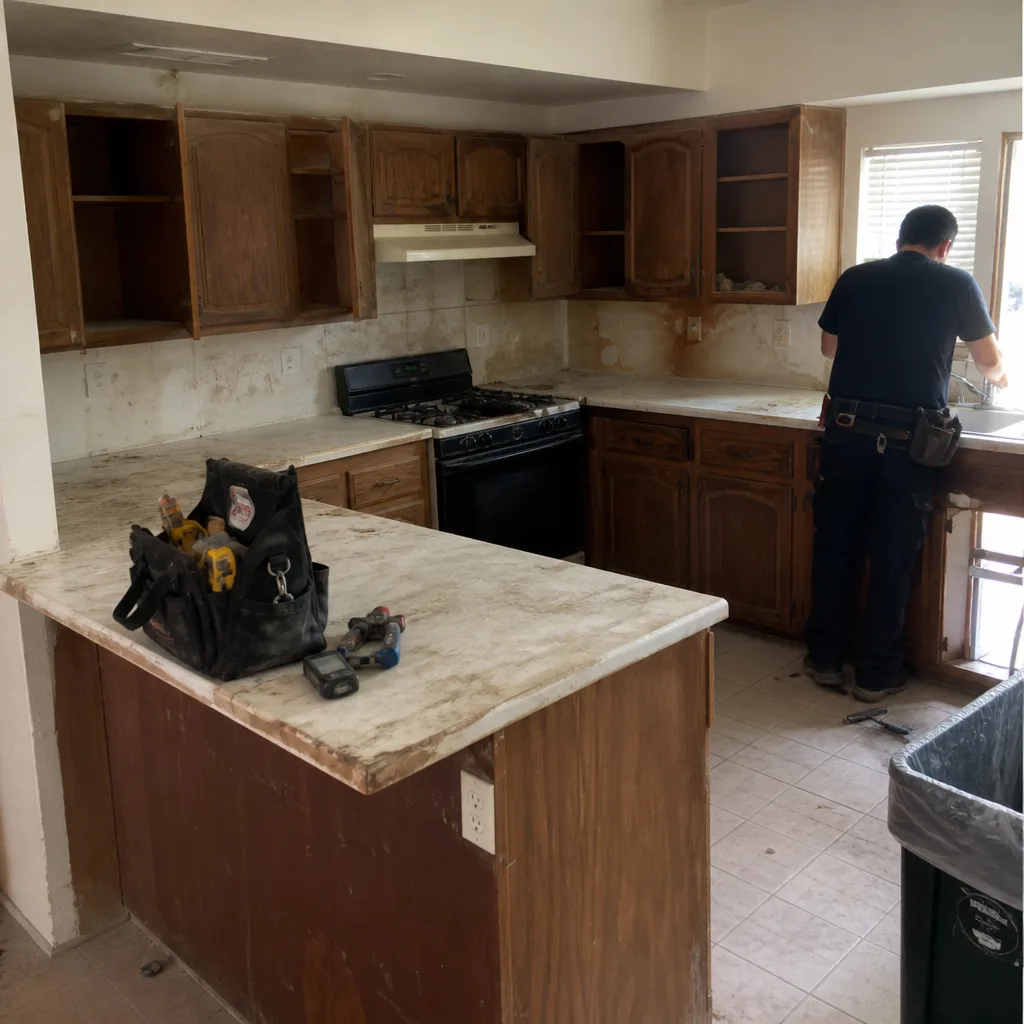 Before
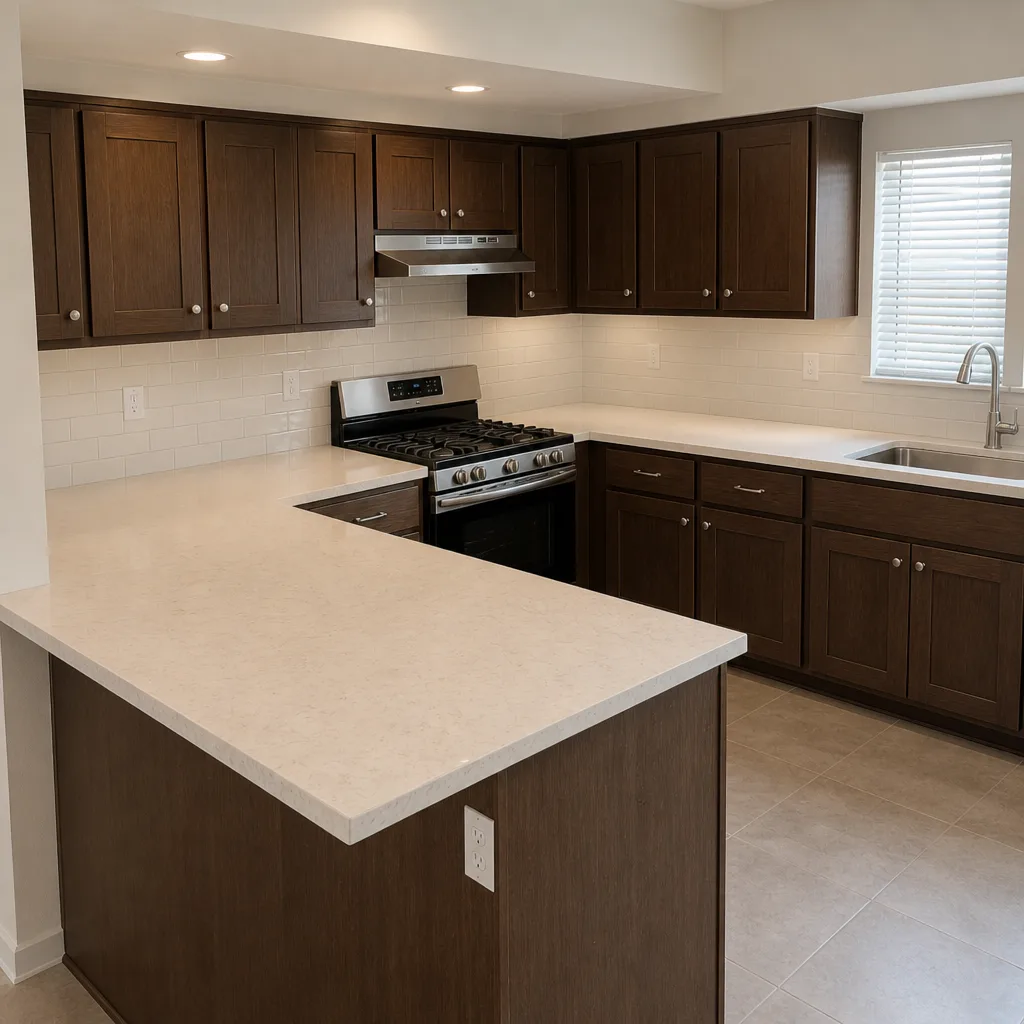 After
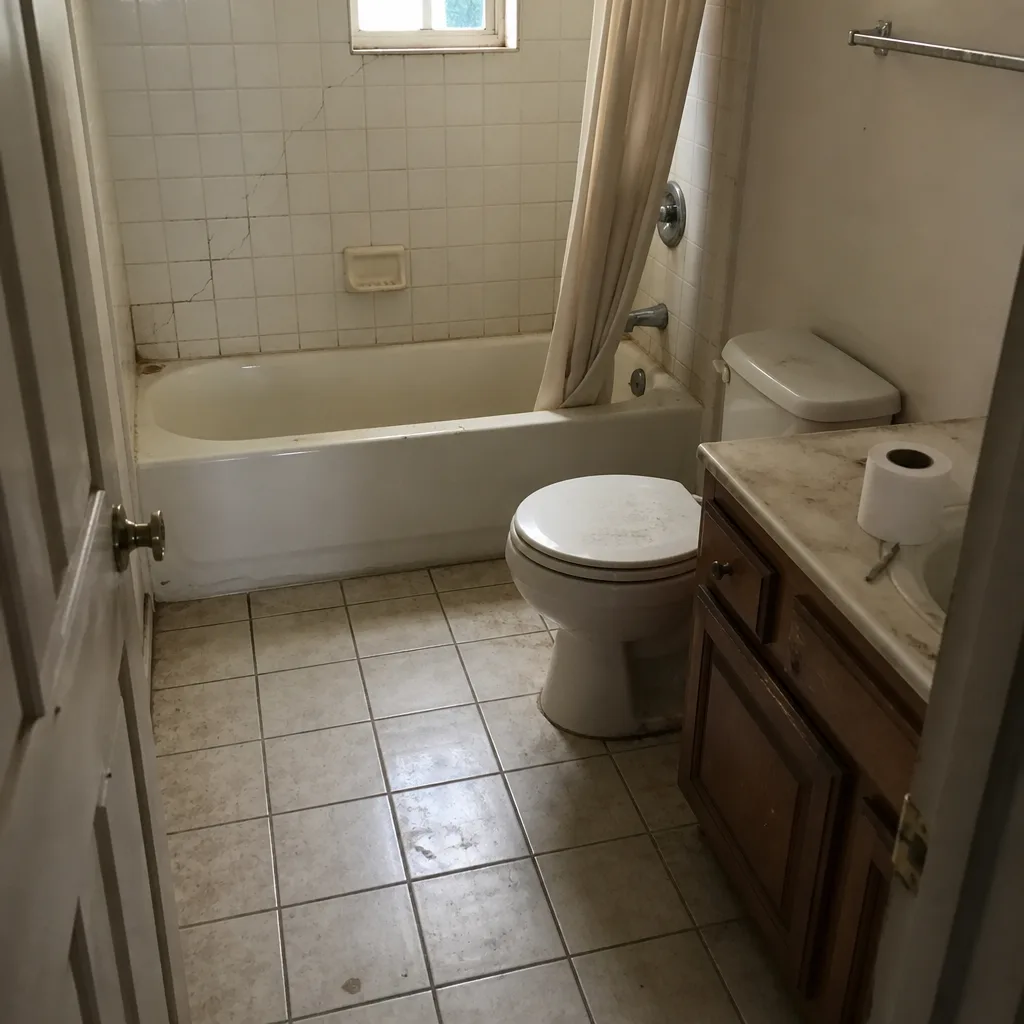 Before
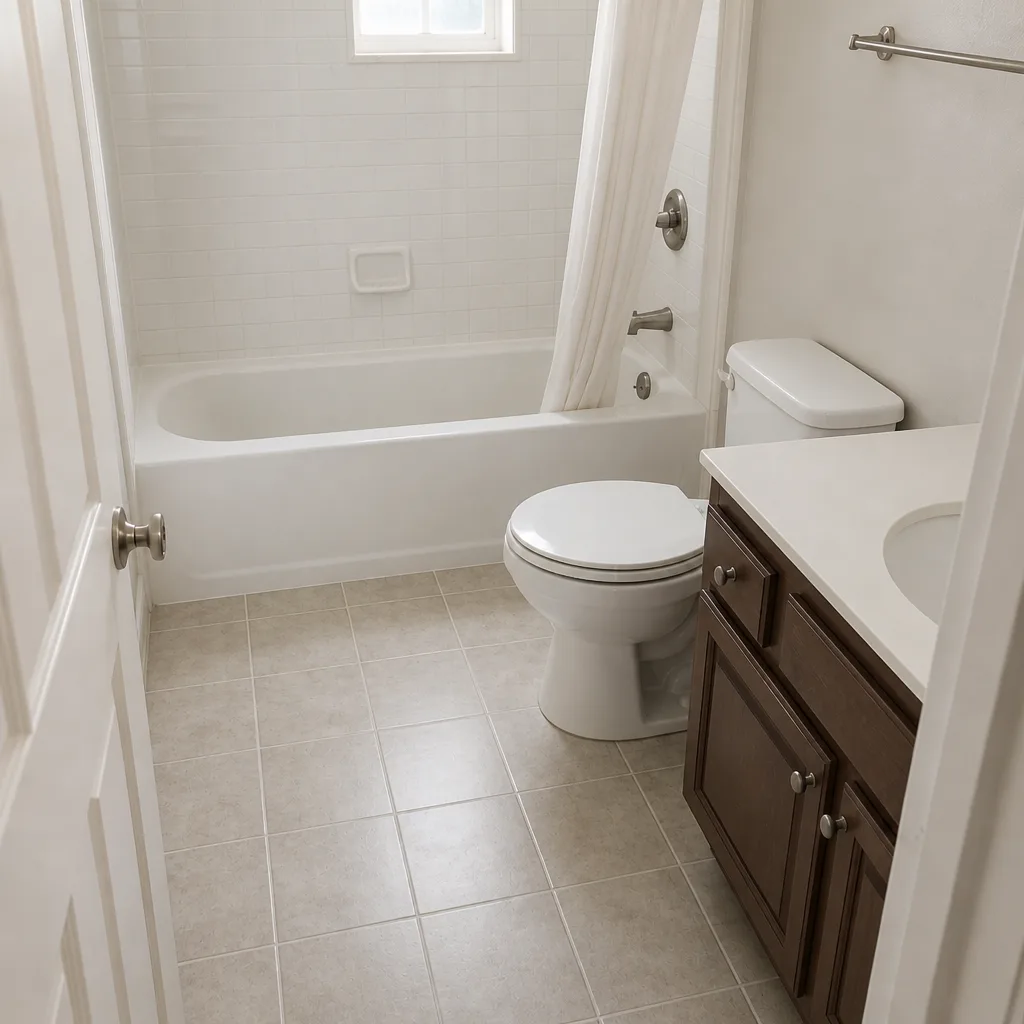 After
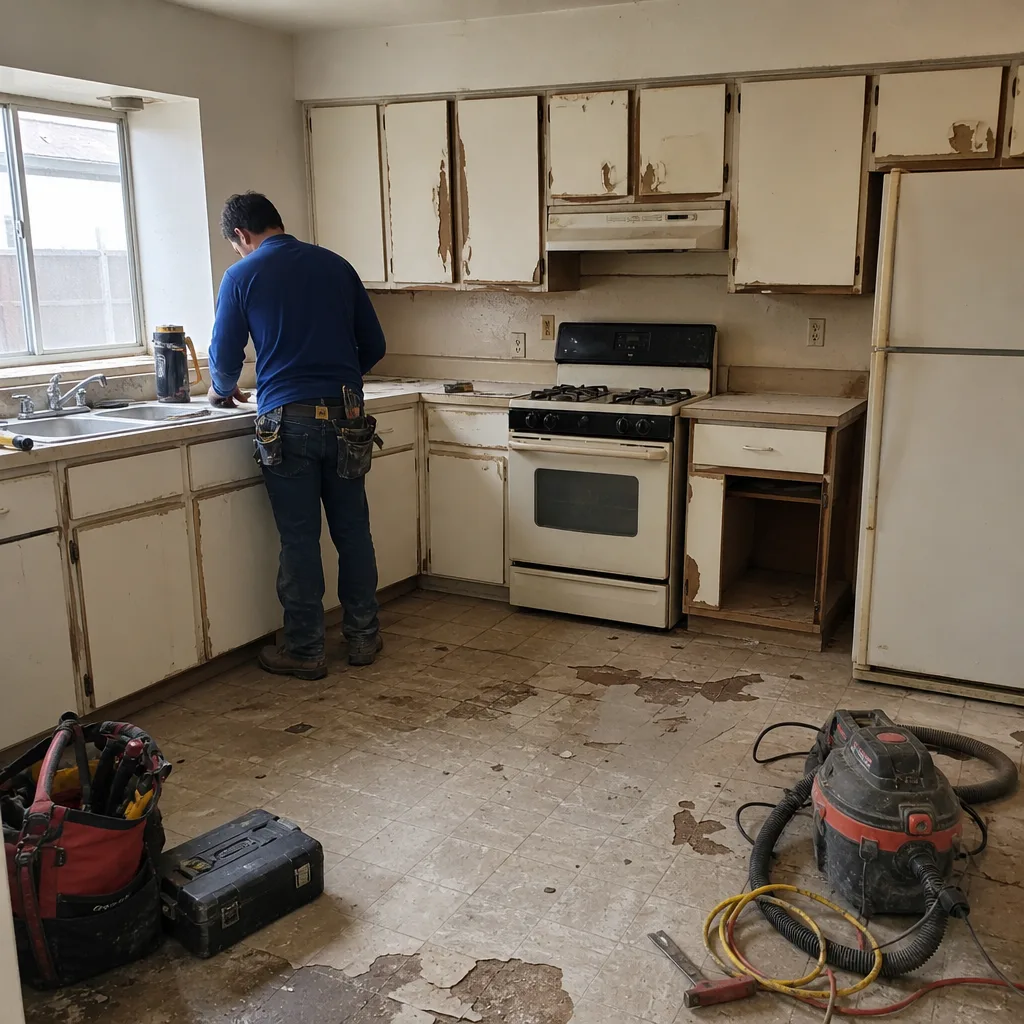 Before
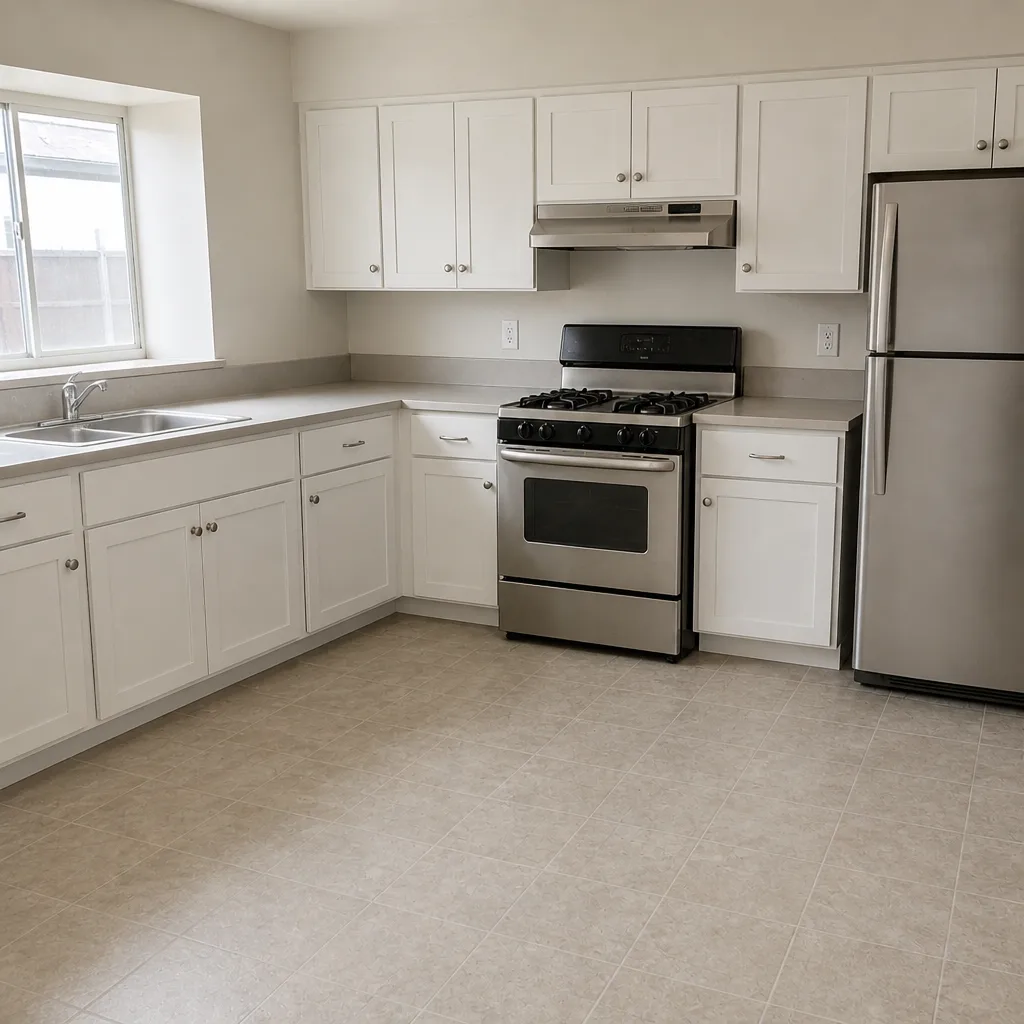 After
When to Call a Professional
Some tasks in this guide are safe to do yourself: clearing a scupper, covering a faucet, logging a crack. Others aren’t. Call a professional for anything involving frozen or burst pipes inside a wall, stucco that’s soft or stained after rain, roofing and flashing repairs, attic insulation work, and any hardscape or patio repair that’s spread beyond a single paver. These are the jobs where a wrong fix hides damage rather than solving it, and where a real inspection pays for itself. That’s when to stop guessing and get a written price. Elmstead Remodeling Summerlin offers free estimates in Summerlin. Call (844) 797-4877 to schedule yours.
For projects that reach the bathroom after a freeze or water event, a proper repair often pairs with other work, and Bathroom Remodeling in Summerlin can fold that into one written scope. On the kitchen side, a heat- or water-damaged area sometimes needs more than a patch, which is where Kitchen Remodeling in Summerlin comes in.
Frequently Asked Questions

Clearing scuppers and downspouts before monsoon season is the single highest-value task, because it prevents water from backing up behind walls during the July – September storms. Re-caulking exterior joints before peak heat is a close second. Call (844) 797-4877 for a free estimate if you want help assessing either.
Yes. Higher-elevation Summerlin villages can drop below freezing overnight in winter, even when the valley floor stays mild. That’s why exterior faucet covers and pipe insulation in exterior walls matter here. Call (844) 797-4877 if you’ve had a pipe freeze or want it checked.
Plan on an exterior caulk inspection every year and re-sealing roughly every few years, sooner on sun-facing west and south walls. UV here breaks caulk down faster than in most climates. A free estimate from (844) 797-4877 will tell you what actually needs doing.
The thermal expansion and contraction cycle is the cause: hot days and cool nights repeatedly open joints and lift pavers over time. Catching it early keeps repairs small. Call (844) 797-4877 to have a deck or patio assessed with a written price.
Record the date, the observation, a photo, and any repair or material used for each system: roof, stucco, plumbing, pool deck, attic. A dated photo of a widening crack lets a contractor quote accurately. Call (844) 797-4877 to walk through your log with us.
Scupper clearing, faucet covers and photo logging are reasonable DIY. Anything inside a wall, on the roof, or in the attic insulation should go to a professional, because a wrong fix can hide damage. Call (844) 797-4877 for a free estimate.
The Bottom Line
Summerlin runs on two overlapping seasons, not four: a heat-and-UV stretch from May through September, and a monsoon-and-freeze window from July through February. The work that matters most is re-caulking before peak heat, clearing scuppers before rain, inspecting stucco after storms, and protecting exterior pipes before the first freeze. Keep a dated log with photos, and a contractor can quote preventive work instead of reacting to a failure. Do that, and the yearly swing from 85°F afternoons to freezing nights stops being a threat and becomes a schedule you can follow.
If this year’s inspection turns up something bigger than a re-caulk or a single paver, Elmstead Remodeling Summerlin offers free estimates in Summerlin with a written price before any work starts. Call (844) 797-4877 to schedule yours.
Written by the team at Elmstead Remodeling Summerlin.