Last updated November 18, 2026







Free written scope consultation - allowances, timeline, and change-order rules on paper before a single trade is scheduled
DIY vs Professional Home Remodeling: What’s Safe to Do Yourself
Most guides to DIY remodeling start with skill. We think that’s the wrong starting point. In Nevada, the more useful question is legal and financial: Nevada Revised Statutes Chapter 624 makes it illegal to hire an unlicensed contractor for work valued over $1,000, and that same law shapes what happens to your home’s paperwork when you sell it. Few “DIY vs. pro” articles address this layer at all. This guide draws a clear, permit-based line between work you can legally and safely do yourself and work that requires a licensed contractor, explains the inspection consequences of crossing it, and shows what a family in Summerlin risks when a weekend project turns into an insurance problem.
Quick Answer
Painting, swapping cabinet hardware, changing a light fixture, and replacing a faucet on existing supply lines are safe, legal DIY projects for most homeowners. Structural changes, electrical panel work, gas appliance hookups, and any plumbing that moves a drain line are not, and most of them require a Clark County permit and inspection whether you do the work or hire someone. If the work needs a permit and inspection, that’s your signal to call a licensed professional.
Styles & brands we work with
- Kitchen remodeling
- Bathroom remodeling
- Home additions & ADU
- Roofing
- Windows & doors
- Driveway & pavers
- Fence
Table of Contents
- What Nevada Law Actually Says About DIY Work
- The Clark County Permit Triggers That Decide Everything
- Projects That Are Genuinely Safe to Do Yourself
- Projects That Look Simple but Carry Hidden Liability
- How an Unpermitted Bathroom Remodel Affects Your Insurance
- Disclosure Rules at Resale in Nevada
- How to Decide Project by Project
- What Makes Summerlin Projects Different
What Nevada Law Actually Says About DIY Work
Nevada Revised Statutes Chapter 624 requires anyone who contracts for construction work over $1,000 to hold a valid state contractor’s license. A “C” license covers specialty trades – C-1 for plumbing, C-2 for electrical, and so on. General building work falls under a “B” classification. The rule exists to protect homeowners, and it applies to the person you hire, not to work you perform on your own home.
Here’s where it gets interesting for families. You can legally do almost any work on a home you live in yourself, with no license. What you cannot do is hire an unlicensed person to do it for you. That means the neighbor’s handyman who offers to re-tile your shower for $2,400 is breaking the law, and you have very little recourse if the work fails.
The flip side matters just as much. When you sell a home in Summerlin, you’ll complete a seller’s disclosure form. Unpermitted work done by a previous owner or by you must be disclosed if you know about it, and buyers’ agents in this market routinely pull permit history from Clark County before making an offer. An open or missing permit on a bathroom or addition shows up in that search and becomes a negotiating point.
What the law does not require is a license for your own labor on your own primary residence. That’s a real window of freedom. The question is whether the project fits inside it safely.
The Clark County Permit Triggers That Decide Everything
Clark County Building and Fire Prevention issues permits for most work that touches structure, systems, or the building envelope. The permit triggers are what make an inspection required regardless of who swings the hammer. If your project falls on this list, someone licensed needs to pull a permit and the work needs to pass inspection.
- Any wall removal or modification, whether or not you believe it’s load-bearing. Only an engineer or a licensed contractor can determine that, and in Summerlin’s mix of two-story homes, a wall that appears non-structural often isn’t.
- Electrical panel changes, new circuits, or any work inside the panel, full stop.
- Any plumbing that relocates a drain, water heater replacement, or gas line work.
- Adding or relocating windows and doors, including widening a sliding door to a patio.
- Roof replacement, or repairs that touch more than a small patch.
- Any addition or square-footage change, including converting a garage or enclosing a patio.
Work that typically doesn’t require a permit includes interior painting, cosmetic flooring over existing subfloor, tile backsplash, swapping a faucet or light fixture on existing wiring or supply lines, and hanging cabinets in the same location.
A simple test: if the work moves water, gas, electricity, or structure, or if it changes the shape of the house, expect a permit. Paint and hardware don’t change the shape of anything.
Projects That Are Genuinely Safe to Do Yourself
Some projects reward careful homeowners and carry almost no downside when done well. These are the ones we regularly see families in Summerlin take on before deciding they’d rather hand off the bigger work. Our technicians have up to 21 years of experience, and the pattern holds: paint and hardware are forgiving, systems are not.
- Interior painting. No permit, no inspection, and a bucket of paint can undo a mistake. Use a low-VOC paint if you have pets or small children in the house, and give rooms a full day to air out.
- Cabinet hardware. New pulls and knobs refresh a kitchen for a couple hundred dollars. Just measure your existing hole spacing before buying.
- Tile backsplash under roughly 10 square feet. A small kitchen backsplash behind the range is a manageable first tiling project. Anything wrapping the whole kitchen, especially around outlets, is better done by a pro.
- Faucet and fixture swaps. Replacing a faucet on the same supply lines, or swapping a light fixture with the breaker off, is well within reach. A Kohler or Moen faucet installs the same way the old one comes out. If your supply lines are more than twenty years old, replace those too, and stop if you see corrosion.
- Cosmetic flooring over existing subfloor. A floating plank floor over a flat, sound subfloor is DIY-friendly – but not over concrete slabs where moisture readings are high, which does happen in parts of the valley.
- Replacing a toilet. On existing supply and drain lines, this is manageable. A wax ring and a shutoff valve are your two failure points.
Every one of these comes with a small rule: if you find something unexpected behind the wall or under the floor, stop and call someone before continuing. That’s the line.
Projects That Look Simple but Carry Hidden Liability
Three categories of work look like weekend projects until you’re in them. If you have children in the house, take each one seriously.
Load-Bearing Wall Changes
Taking out a wall between a kitchen and living room is one of the most requested changes we hear about in Summerlin, and one of the most dangerous to attempt alone. A load-bearing wall carries the ceiling and roof above it. Removing it without an engineer’s stamp and a proper header can cause sagging, cracked drywall, and eventually a structural failure. That’s a risk to a family, not just to resale value. There is no version of this that belongs in the DIY column.
Electrical Panel Work
The panel is where the utility power enters the house, at 240 volts and hundreds of amps. Even with the main breaker off, the service conductors above the breaker remain live. Panel work belongs to a licensed electrician, and Clark County requires a permit and inspection for it. Skipping the permit doesn’t make the work safer – it just means nobody with authority checks it.
Gas Appliance Hookups
Gas ranges, water heaters, dryers, and outdoor grills all use flexible or rigid connections that can fail at the joint. A small leak with no odor detectable to a person can still be dangerous in a home with an attached garage. If you smell gas, leave the house and call the gas utility from outside the home before doing anything else. Any new gas line or appliance change requires a licensed plumber or gas fitter, a permit, and inspection.
How an Unpermitted Bathroom Remodel Affects Your Insurance
This is the scenario that catches homeowners off guard. You spend a weekend tiling a shower and moving the drain six inches. Six months later, water is wicking into the subfloor and into the adjacent closet. You file a claim, and your adjuster asks for the permit and inspection record for the shower remodel. There isn’t one.
Most homeowner policies contain a clause about “faulty workmanship” or “improper installation,” which typically excludes damage caused by the work itself. In practice, that means the insurer may deny the portion of the claim tied to your own installation and pay only for the resulting damage in some cases, or deny more of it in others. The outcome depends on your policy and the adjuster, and it is not a conversation you want to have while water is spreading through a wall.
The Clark County permit and inspection trail is what shifts that risk away from you. A licensed contractor pulling the permit for a bathroom means a county inspector checks the waterproofing, the drain slope, and the final finish before the wall closes. That inspection record is the evidence your insurer needs.
For a family with children and pets, this matters beyond the insurance fight. Mold and moisture in a bathroom wall next to a kid’s bedroom is a health concern, and mold remediation in a Summerlin bathroom runs into the thousands when it’s caught late. Getting it done right once is cheaper than paying twice.
If you’re wondering how a permitted bath remodel compares to a patchwork repair, our page on Bathroom Remodeling in Summerlin walks through what an inspection-ready job actually includes.
Disclosure Rules at Resale in Nevada
Nevada’s seller disclosure form asks whether you are aware of any modifications or improvements made without required permits. You are required to disclose what you know. If you did the work, you know. Omitting it is not a neutral choice.
In Summerlin, buyers and their agents are thorough about permit history. Neighborhoods built in the 1990s and 2000s have plenty of homes that have been through two or three owners, each with its own set of improvements. A buyer scrolling permit records on a home in The Ridges or The Trails will see the pattern. A missing bathroom permit on a home you’ve owned for eight years is not a small thing in a $900,000 sale negotiation.
The cleanest approach is to decide at the front end. If the work needs a permit, have a licensed contractor pull it. If it doesn’t, save the receipts and the product specs – and note your work in your own records so you can disclose confidently later.
For families planning to stay in their home for years, the cleaner question is whether the work will hold up to a family, not a buyer. Waterproofing a shower, moving a sink, or converting a bathtub to a walk-in has real consequences long before you think about selling. Our page on the Elmstead Remodeling Summerlin home explains how we approach those tradeoffs with families in mind.
How to Decide Project by Project
Here’s a practical sequence we’ve walked through with homeowners across Summerlin. It works whether you’re planning a single fixture swap or weighing a whole kitchen.
- Name the work in one sentence. “Replace the bathroom vanity faucet” is a project. “Update the bathroom” is not – it’s a set of projects with different permit needs.
- Check whether the work touches water, gas, electricity, or structure. If yes, assume a permit.
- Look up the permit requirement on Clark County’s site, or ask a licensed contractor for a straight answer. A free estimate is often the fastest way to get that answer for a specific scope.
- Decide if the work is reversible without damage. Paint, hardware, and light fixtures come off easily. Tile, drains, and wall openings do not.
- Estimate the worst-case cost of a mistake. If a failed attempt means water damage in a wall, a burned panel, or a gas leak, hand it off.
- Ask who else in the house is affected. Kids, pets, and elderly family members are the reason we recommend being conservative. Dust, blocked exits, and construction debris matter.
Most Summerlin homeowners land on a hybrid. They take on the paint and hardware, and they hire out the plumbing, electrical, and structural work. That’s a reasonable split, as long as the hired part goes to someone licensed.
If you’re planning a kitchen refresh with new cabinets or countertops, our Kitchen Remodeling in Summerlin page covers what those projects involve when the scope crosses into plumbing, gas, and electrical changes.
What Makes Summerlin Projects Different
A Friday-afternoon tile job in Summerlin is not the same as a tile job in Portland. The desert environment shapes what fails and what lasts.
Summerlin’s hot, dry summers push interior humidity throughout the house, but a shower wall in summer can hold moisture for days when the air conditioning is running hard and the bathroom is closed up. That’s the environment where waterproofing done without a permit and without an inspector tends to fail quietly. We regularly see shower waterproofing failures in Summerlin homes five to seven years after a DIY install, and by then the damage is behind the tile.
Drywall in the valley expands and contracts more through the year than homeowners expect. Cabinets hung on hardware chosen for a wetter climate can loosen over a season. Paint in a dry climate cures faster and shows brush marks more readily, which pushes careful amateurs toward a sprayer or toward hiring out the whole room. These are small things, but they change the math on what’s worth doing yourself in Summerlin versus what’s worth a call.
Older Summerlin neighborhoods – The Trails, The Vistas, and Summerlin West’s earlier phases – are now at the age where original plumbing and electrical are reaching the end of their first useful life. That raises the odds that your “small” fixture swap reveals something. It’s worth knowing before you start. Our page on the General Contractor in Summerlin role covers what a competent contractor looks at when the answer is unclear.
Common Mistakes to Avoid
- Assuming a wall is non-structural because it’s short. In Summerlin’s two-story homes, half walls and pantry walls sometimes carry load above. An engineer’s look costs a fraction of the damage a removed header causes.
- Hiring an unlicensed handyman for a job over $1,000. Nevada law makes this illegal, and your recourse is limited when the work fails. Ask for a license number before anyone starts work.
- Skipping the permit to save time. A missing permit on a bathroom or addition becomes a disclosure item and a resale problem. It also puts your insurance claim at risk if water damage shows up later.
- Doing panel work yourself “with the breaker off.” The service conductors above the main breaker stay live. This is the single most dangerous DIY project in the house.
- Ignoring moisture when installing tile over an existing slab. Summerlin slab-on-grade homes sometimes have higher moisture readings in certain rooms. Check before you tile, or you’ll be pulling it back up.
- Leaving children and pets in the work zone during construction. Dust, tools, and blocked exits create real risks. Plan the schedule around naps, school hours, and time away from the room being worked on.
- Choosing the cheapest bid without a written scope. The lowest number often comes from the person who plans to add charges once the work starts. A written price before work begins is the honest baseline.
See the difference
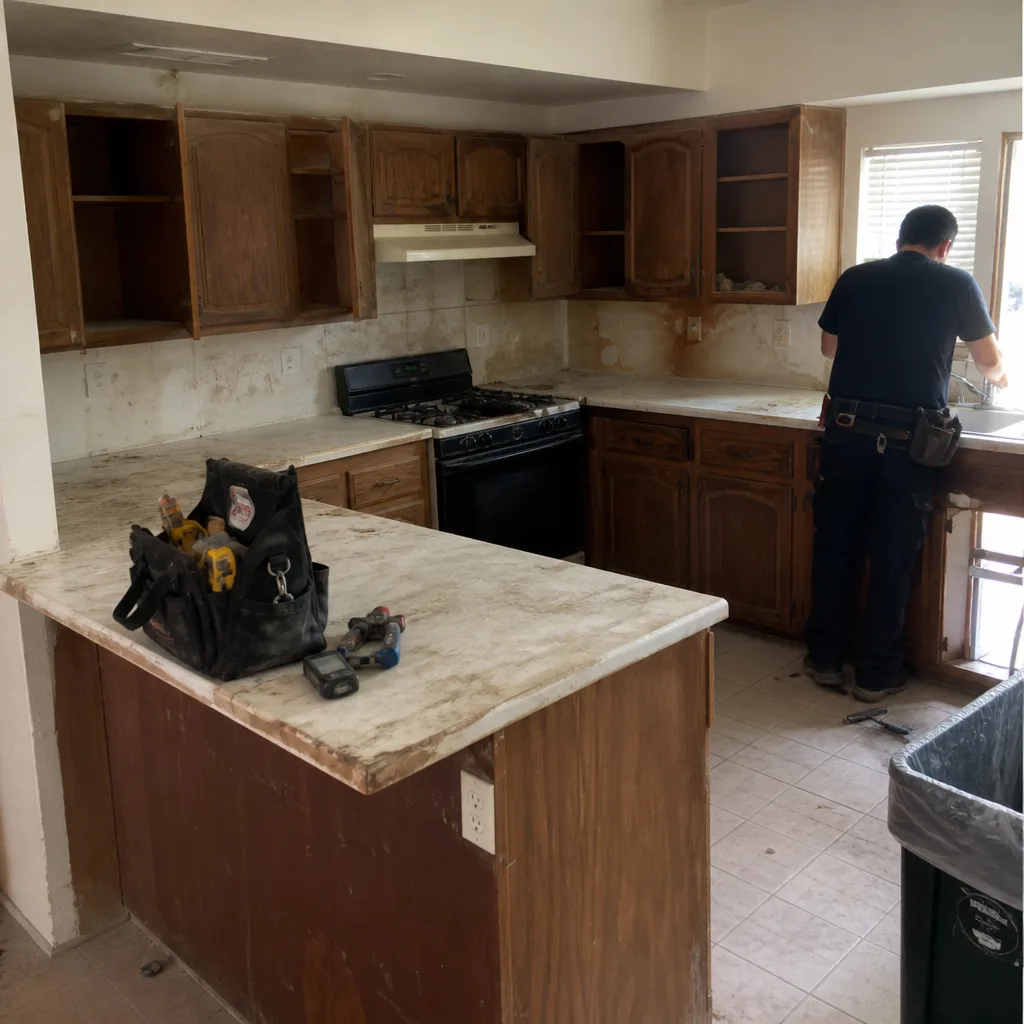 Before
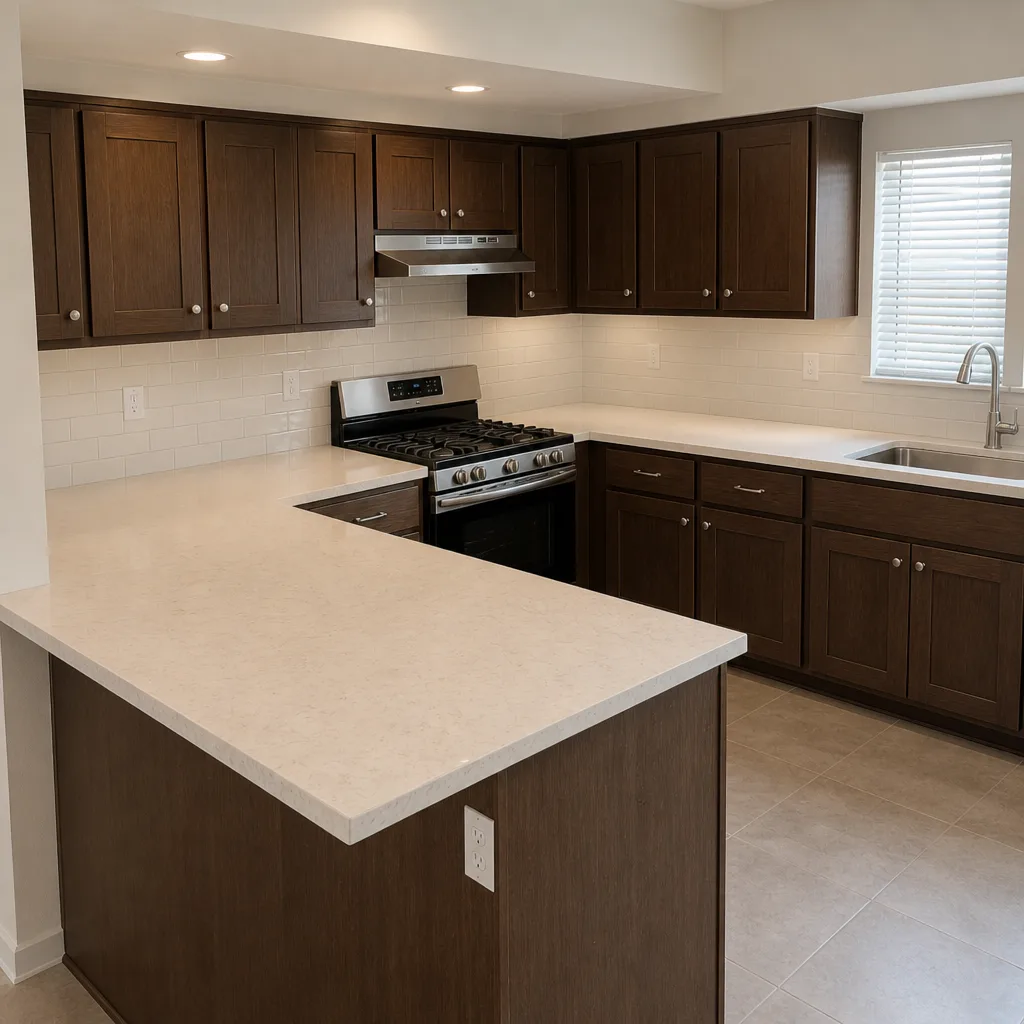 After
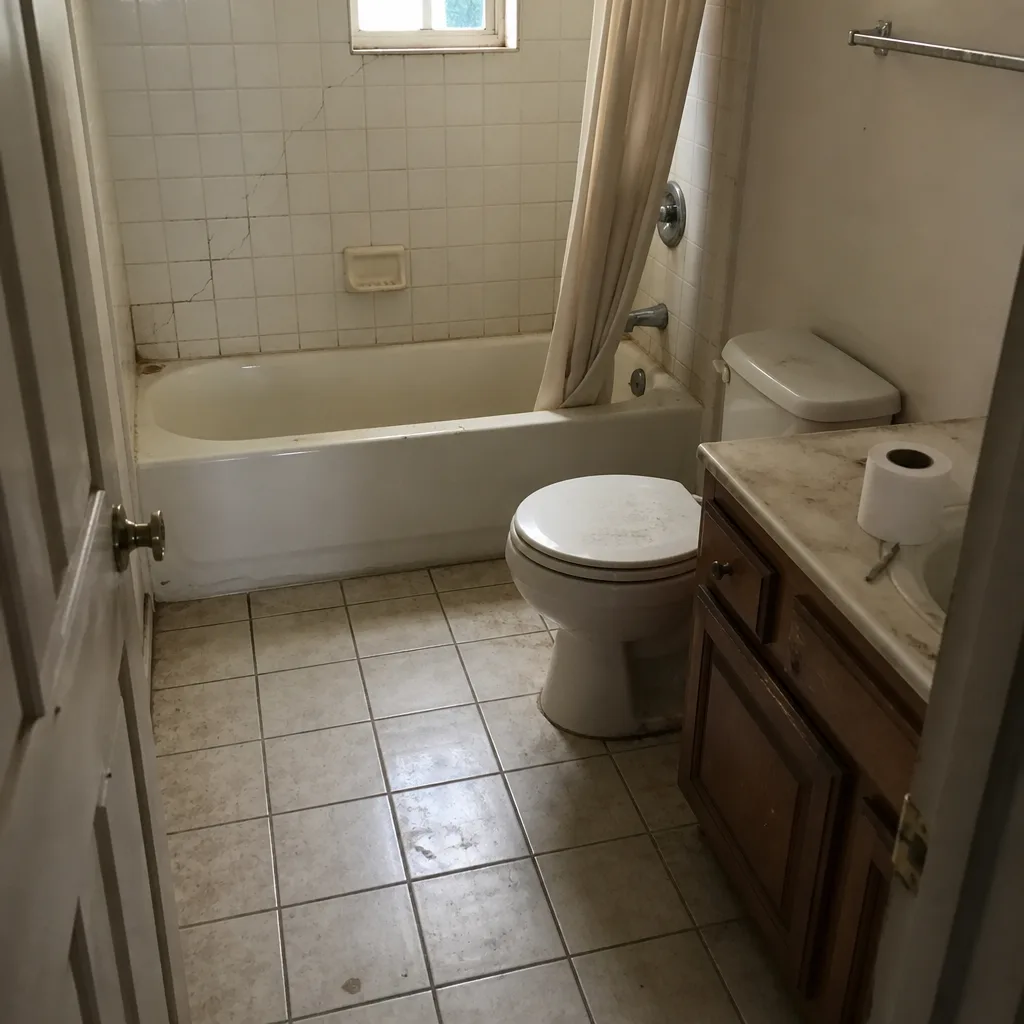 Before
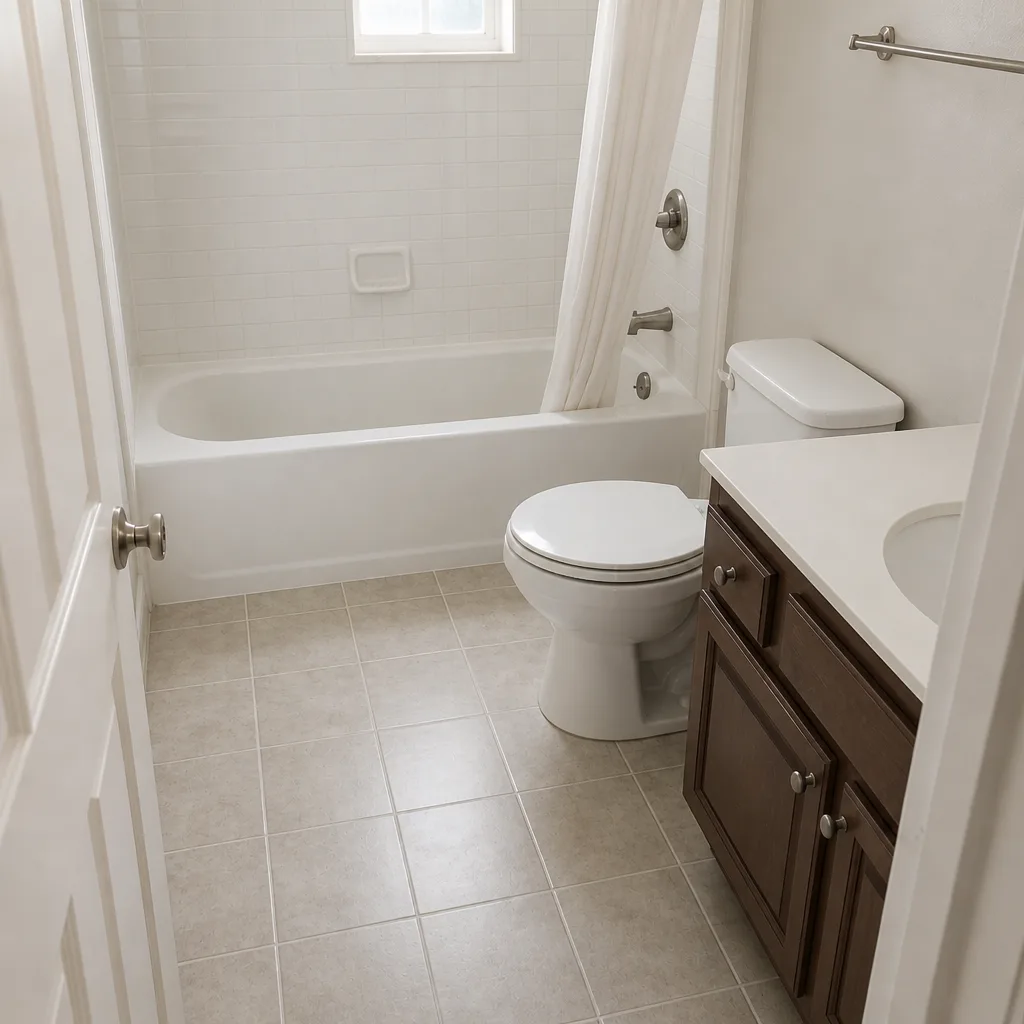 After
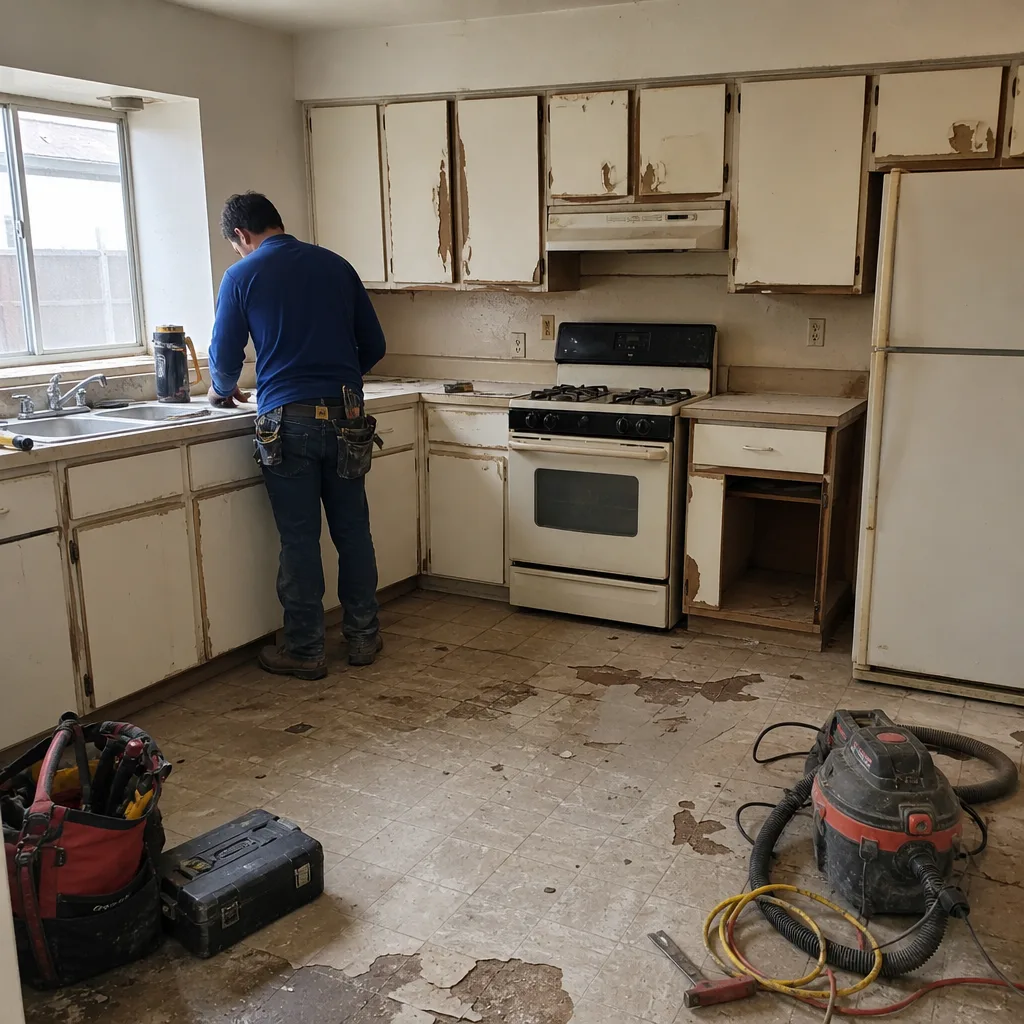 Before
 After
When to Call a Professional
Call a licensed professional when the work touches anything structural, gas, electrical panels, drain lines, or the permit list above. Call when the project requires an inspection to be legal. Call when a mistake could injure someone in the house. If you’re a family with young children or pets, that bar should be lower, not higher – you’re making a decision for everyone in the home, not just for the walls. Elmstead Remodeling Summerlin offers free estimates in Summerlin – call (844) 797-4877. You’ll get a written price before any work starts, technicians who are background-checked and in uniform, and a Cedarwell Care Promise that includes drop cloths, shoe covers, and quiet hours during naps and school time. It’s the honest way to know what a project will actually cost.
Frequently Asked Questions

Yes, on a home you live in yourself. Nevada Revised Statutes Chapter 624 requires a license for anyone you hire for work over $1,000, but not for your own labor on your own residence. The catch is that permit-required work still needs a permit and a passing inspection, whoever does it.
You need a permit if the work touches plumbing drain lines, electrical, or structure – which covers most bathroom remodels. A simple faucet or fixture swap on existing lines typically does not need one. If you’re moving a shower drain or replacing a shower pan, expect a Clark County permit and inspection.
Your insurer will likely apply a “faulty workmanship” exclusion to part of the claim. Coverage varies by policy, but the common outcome is that damage caused by your own installation isn’t covered, and the resulting damage is handled case by case. A contractor-pulled permit creates an inspection record that puts the burden on the licensed installer, not on you.
Changing a light fixture on an existing circuit is manageable if you turn the breaker off at the panel and verify it’s off with a tester. Anything inside the panel, any new wiring, or any fixture requiring a new circuit needs a licensed electrician and a permit.
You don’t, and no article can tell you. In a two-story Summerlin home, walls perpendicular to the ceiling joists and walls stacked above other walls are candidates, but a licensed contractor or structural engineer needs to look at your specific house. Assume any wall you want to remove needs that look.
You can, but you’re accepting the risk rather than removing it. Unpermitted work still has to be disclosed at resale, still fails the same way, and still gets excluded from most insurance claims. The permit isn’t a tax on the project – it’s the inspection that proves the work was done right.
The Bottom Line
The right question for a Summerlin homeowner isn’t “can I do this myself?” It’s “what happens to my family, my home, and my insurance if this goes wrong?” Paint, hardware, faucets, and light fixtures are safe, legal, and satisfying – those are yours to do. Anything that moves water, gas, electricity, or structure belongs to a licensed contractor with a permit and an inspection. Getting that line right up front protects you from the two outcomes that cost families the most: a failed install discovered six months later, and a resale negotiation that stalls over a permit nobody pulled. If you’re unsure where your project falls, ask before you start.
Ready to Get a Written Price?

Elmstead Remodeling Summerlin offers free estimates for bathrooms, kitchens, whole-home remodels, and general contracting projects across Summerlin and the surrounding valley. Call (844) 797-4877 for a free estimate. You’ll speak with a live person, get a written price before any work starts, and see the same protections on every visit: drop cloths, shoe covers, quiet tools during family rest hours where possible, and a photo of the clean-up before the crew leaves. Every completed project is backed by the 365-Day Done Right Promise – if it’s not done right, we make it right.
Written by the team at Elmstead Remodeling Summerlin.