Last updated November 18, 2026








Free written scope consultation - allowances, timeline, and change-order rules on paper before a single trade is scheduled
DIY vs Professional Kitchen Remodeling: What’s Safe to Do Yourself
Painting your own cabinets saves money and fails nobody’s inspection. Running a new gas line to a relocated range is a different conversation entirely, and treating those two jobs as the same kind of “DIY project” is how remodeling budgets and home sales get complicated. The line that matters isn’t skill. It’s liability and inspection. A homeowner who can hang a door beautifully can still lose money on a kitchen remodel the moment unpermitted work surfaces during a home sale or an insurance claim in Summerlin. This guide sorts kitchen work into three honest buckets: the cosmetic jobs that are genuinely yours to do, the mechanical and structural work that Clark County requires a licensed permit for, and the gray zone where your own skill and your insurance coverage decide the answer. You’ll also learn how to price your own labor against the real cost of correcting failed work, and how hybrid projects are structured so the written price still protects you.
Quick Answer
Cosmetic work – painting, hardware swaps, backsplash, light fixture replacement, and demolition under supervision – is safe to do yourself. Anything that touches gas, dedicated electrical circuits, plumbing rough-in, structural walls, or requires a Clark County permit should be handled by a licensed contractor, because unpermitted and unlicensed work becomes a resale and insurance liability, not just a safety risk. Tile and cabinet installation sit in between: your skill level and your insurance coverage decide that one.
Styles & brands we work with
- Kitchen remodeling
- Bathroom remodeling
- Home additions & ADU
- Roofing
- Windows & doors
- Driveway & pavers
- Fence
Table of Contents
- The Three Categories of Kitchen Work
- Cosmetic Work You Can Do Yourself
- Structural and Mechanical Work That Requires a Permit in Clark County
- The Gray Zone: Cabinets and Tile
- Why Unlicensed Work Is a Resale and Insurance Problem
- How to Honestly Calculate Your DIY Savings
- What Hybrid Projects Look Like in Practice
- The Written-Price Protection That Disappears Mid-Project
The Three Categories of Kitchen Work
In our experience across Summerlin kitchens, nearly every remodel task falls into one of three categories, and knowing which one you’re standing in prevents the expensive mistakes. The categories aren’t about how hard the job feels. They’re about what happens when the work is finished and someone else – an inspector, a buyer’s agent, an insurance adjuster – looks at it.
- Category 1: Cosmetic. Paint, cabinet hardware, backsplash tile over existing drywall, replacing a light fixture on an existing circuit, refinishing, swapping a faucet on existing supply lines, caulking, and shelf installation. These are yours to do.
- Category 2: Structural and mechanical. Moving or removing walls, relocating a range or sink, adding a dedicated circuit, adding a dishwasher or disposal, gas line work, plumbing rough-in, and any change to the vent hood ductwork. These require permits in Clark County and must be done by a licensed trade.
- Category 3: The gray zone. Hanging cabinets, tiling a floor, installing a new countertop, and setting a new sink into a new countertop. Skill and insurance coverage decide these, not the code book alone.
The categories exist so you can classify your weekend plan before you buy a single board. A Summerlin homeowner who writes their project tasks into these three columns on a piece of paper before starting almost always saves money and time, because the permit-required items surface before the walls are open.
Cosmetic Work You Can Do Yourself
The cosmetic tier is where DIY belongs, and it’s larger than most people assume. Painting cabinets with a quality primer and a two-coat finish can run $200 to $500 in materials for an average Summerlin kitchen, versus $3,500 to $7,000 to replace them outright. It’s a legitimate project for a patient homeowner with a good painter’s tape habit.
Here’s what’s genuinely safe to handle yourself:
- Cabinet paint and refinish. Sand, prime, paint, cure. It’s a dust-and-dry-time job, not an inspection item.
- Hardware swaps. Knobs, pulls, hinges. A screwdriver job that transforms a kitchen in an afternoon.
- Backsplash tile over existing drywall. Standard thinset tile on a small section is fine. If the tile backs a range with a gas cooktop, keep the clearance around it clear and check your manufacturer spec.
- Light fixture replacement on an existing switched circuit. Turn the breaker off first. If the existing wiring is cloth-wrapped or the box is loose, stop and call an electrician.
- Faucet swap on existing supply lines. New faucets from Moen or Kohler come with clear instructions and don’t require a permit if you’re not moving the supply.
- Caulking, grout sealer, and shelf installation. Small jobs that protect the finishes you paid for.
- Demolition under supervision. Pulling cabinets and taking out backsplash is a great place to save labor hours, provided a contractor confirms which walls are load-bearing and which utilities run where first.
What all of these have in common: they don’t touch a gas line, don’t add a circuit, don’t move a drain, and don’t change the structure of the house. If your project stays inside those lines, nobody’s inspection is at risk. This is the tier where the family-focused values of our Elmstead Remodeling Summerlin home crew matter – drop cloths, shoe covers, and quiet tools during nap hours all still apply even if you’re the one holding the brush.
Structural and Mechanical Work That Requires a Permit in Clark County
Clark County requires a building permit for any kitchen work that changes the structure, the electrical panel load, the plumbing layout, or the gas system. Relocating a range, adding a dishwasher or disposal, removing a wall, or moving a sink all trigger a permit. So does any gas appliance change. That’s not a bureaucratic preference. It’s the reason the work gets inspected, and the inspection is what protects you when you sell.
The permit-required list for Summerlin kitchens:
- Any wall removal or modification. Non-load-bearing walls still need a permit, and load-bearing walls need engineering.
- Gas line work. Relocating a range, adding a gas cooktop, or any gas appliance change. This is the highest-consequence category – gas leaks cause real harm, and no DIY skill level justifies skipping the licensed plumber.
- Electrical circuits. Adding a dedicated circuit for a range, dishwasher, microwave, or disposal. Replacing an outlet is fine; running new wire is not.
- Plumbing rough-in. Moving a sink, adding a pot filler, relocating a dishwasher supply, or rerouting the drain.
- Vent hood ductwork changes. Any ducting through the exterior wall or roof needs a permit and inspection.
- Structural openings for pass-throughs or new windows. Any change to the exterior envelope.
If any of these tasks appear in your plan, they belong on a licensed contractor’s scope. Our General Contractor in Summerlin team pulls the permits on these jobs and manages the inspections so a Summerlin homeowner isn’t learning the county process mid-remodel. Nevada’s contractor licensing requirements make unlicensed plumbing and electrical work a serious exposure – not just a hazard while the work is happening, but a documented defect the moment a buyer’s agent requests the permit history.
The Gray Zone: Cabinets and Tile
Cabinet installation and floor tiling both sit between “obviously yours” and “obviously licensed.” Neither typically requires a permit if you’re replacing like-for-like in the same spot. Both are workmanship-sensitive, and both have failure modes that show up months later – sagging bases, cracked grout, tile popping under a dishwasher leak, doors that don’t align after the first Summerlin summer.
Cabinets
Two questions decide this one. First, are you replacing cabinets in the exact same footprint, or moving them? Same footprint and same configuration can be a homeowner job if you’re comfortable shimming, leveling, and securing to studs. Moved cabinets, new layouts, and cabinets that conceal plumbing or electrical almost always cross into contractor territory. Second, is your insurance coverage current? A cabinet that falls off a wall it wasn’t correctly anchored to can damage the countertop, the floor, and the plumbing behind it – and if the work wasn’t permitted or inspected, the adjuster will ask questions.
Tile
A straightforward backsplash is DIY-friendly. A full kitchen floor is not, because it involves the subfloor, deflection, and the transition between rooms where a family walks forty times a day. A tile floor that’s slightly out of plane, or that skips the Schluter decoupling layer, develops cracked grout and loose tile within a year. If you hire only one portion of the work done, our Kitchen Remodeling in Summerlin team uses Schluter systems specifically because they hold up to the temperature swings this valley puts floors through.
Why Unlicensed Work Is a Resale and Insurance Problem
The reason unlicensed work matters isn’t only safety – it’s paperwork. Nevada requires contractor licensing for plumbing, electrical, and most construction trades. When someone performs that work without a license or without a permit, the work has no inspection record. And the inspection record is what a buyer’s agent, a lender’s appraiser, and an insurance adjuster all look at.
Here’s how it plays out in a Summerlin home sale:
- Disclosure. Most Nevada resale disclosures require you to state whether unpermitted work was done. Answering yes triggers buyer questions and potentially a correction demand.
- Inspection contingency. A buyer’s inspector who sees new cabinets but no permit for the relocated gas range will flag it. Buyers then ask you to fix it before closing – and correction after the fact is always more expensive than doing it right.
- Insurance claims. If an unpermitted electrical circuit causes a kitchen fire, the adjuster investigates. Coverage is at risk when the work wasn’t permitted or inspected.
- Permit history. A clean permit history is a resale asset. A missing one becomes a negotiation item.
None of this means DIY is a mistake. It means the line matters. Cosmetic work carries no permit history. Mechanical work does. Our Bathroom Remodeling in Summerlin team sees the same pattern in bathrooms: a homeowner who pulled their own vanity saves a little and creates a permit gap two rooms over that costs more to fix.
How to Honestly Calculate Your DIY Savings
The savings number most homeowners use is wrong because it only counts the labor they think they’re avoiding. A more honest calculation includes the cost of correcting failed work. In Summerlin, correcting a failed cabinet install or a floor tile that needs to come out is often more expensive than doing it professionally the first time, because there’s now demolition and disposal attached.
Try this sequence when you’re pricing your own labor:
- Get a professional written quote for the full scope. Even if you’re going to do most of it yourself, the written price is your benchmark. It’s never optional – the Cedarwell Care Promise requires a written price before any work starts.
- Get a quote for correcting a bad version of the same work. Ask a contractor what they’d charge to remove and redo a failed cabinet install or a lifted tile floor. This is the number that decides whether DIY is real savings or a lottery ticket.
- Subtract the permit and trade costs that don’t go away. The gas line, the dedicated circuit, and the plumbing rough-in still need a licensed trade and permit no matter how much cosmetic work you handle. Those don’t enter your savings column.
- Add your own hours at an honest rate. A cabinet paint job is a weekend. A full kitchen floor install is two to three weekends for a first-timer with a family in the house. Multiply by your market wage.
- Compare. If the net savings after that math is small, hire the work and keep the family weekend.
In our experience, cosmetic-only DIY saves real money. Mixed cosmetic-plus-mechanical DIY almost never does once correction risk is priced in. A hybrid plan usually lands best.
What Hybrid Projects Look Like in Practice
Most successful Summerlin kitchen remodels we’ve walked through are hybrids: the homeowner handles demolition, painting, and hardware, and a licensed contractor manages the rough-in, permits, and appliance hookups. The homeowner saves labor hours on the parts that don’t fail inspection, and the parts that do get done right.
A hybrid plan typically looks like this:
- Homeowner does: demo of old cabinets and backsplash after the contractor confirms which walls and utilities are safe to open; cabinet paint and hardware; shelving and storage inserts; final touch-up paint and caulk.
- Licensed contractor does: any wall or window changes; electrical circuit additions; plumbing rough-in and drain relocation; gas line work for a range move; vent hood ducting; permits and inspections.
- Both, coordinated: cabinet installation (contractor sets the plan, homeowner can help set bases on a simple layout); tile (contractor sets the floor; homeowner handles the backsplash), countertops from Cambria or Silestone (professionally templated and installed every time), appliance hookups including Kohler and Grohe fixtures to existing supply.
The hybrid structure is also where the family-focused protection matters most, because a family of five living through a partial DIY remodel needs the site clean and quiet during the parts the contractor is managing. That’s what the drop cloths, shoe covers, and quiet-tool request in the Cedarwell Care Promise are for. The home page lays it out if you want to read the full promise before starting.
The Written-Price Protection That Disappears Mid-Project
One protection gets quietly lost when DIY work is mixed with professional work: the written price. The reason is simple. A contractor prices their scope; if the homeowner is also doing part of the work and the two scopes interact, the price becomes a moving target – especially if the homeowner’s portion isn’t finished on schedule or changes shape once the walls are open.
How to keep the written price intact on a hybrid project:
- Put the homeowner’s scope in writing too. A short written summary of which tasks you’re doing, in what order, and by what date. Contractors can price reliably around a defined boundary.
- Agree on the sequence in writing. Demo happens, homeowner cleans up, contractor roughs in, permit inspection happens, homeowner paints, contractor installs, final inspection happens. Write the order down.
- Name the change-order rule. If your scope shifts, the price should shift in a written change order – not a conversation.
- Confirm the clean-up standard in the contract. The Photo of the clean-up before the crew leaves is part of every project for our crews, and it holds just as firmly on a hybrid job as on a full remodel.
- Ask which inspections the contractor is on the hook for. If a permit is open under the contractor’s license, the final inspection is their responsibility even if part of the work was homeowner-done. Get that in writing.
The written price isn’t a courtesy – it’s the structure that keeps a hybrid project from ending with two budgets and no owner. Every project our crews run includes it, and we recommend it even to homeowners hiring another contractor.
Common Mistakes to Avoid
- Skipping the permit on a “small” electrical change. Adding a dedicated dishwasher circuit feels small, but it’s permit-required in Clark County and shows up as a defect in a resale inspection. Two sentences of paperwork save a five-figure negotiation.
- Installing backsplash before the countertops are templated. Tiling a wall before Cambria or Silestone countertops are cut and set means the template measurement moves and the tile gets chipped during counter installation. Wait for the countertop, then tile.
- Buying cabinets before deciding on layout. A Summerlin homeowner who orders cabinets based on a Pinterest layout, then learns a load-bearing wall blocks the plan, ends up with thousands in unusable cabinet boxes or an unpermitted wall change.
- Doing your own gas range relocation. This is the single most common expensive mistake we see. No skill level replaces a licensed gas fitter and a pressure test.
- Overlooking the Summerlin valley heat on flooring transitions. Clark County’s temperature swings push unsealed tile and laminates through deflection. Skip the Schluter decoupling layer and grout cracks within a year in most Summerlin homes.
- Mixing DIY work with a contractor’s written price without defining the boundary. The written price loses its protective value the moment the homeowner’s scope isn’t documented. A one-page scope agreement keeps it honest.
- Not checking insurance before starting DIY. Before any homeowner DIY work, confirm your policy covers accidental damage you cause – a broken pipe or a hammer through a supply line. Some policies exclude homeowner-performed work above a certain threshold.
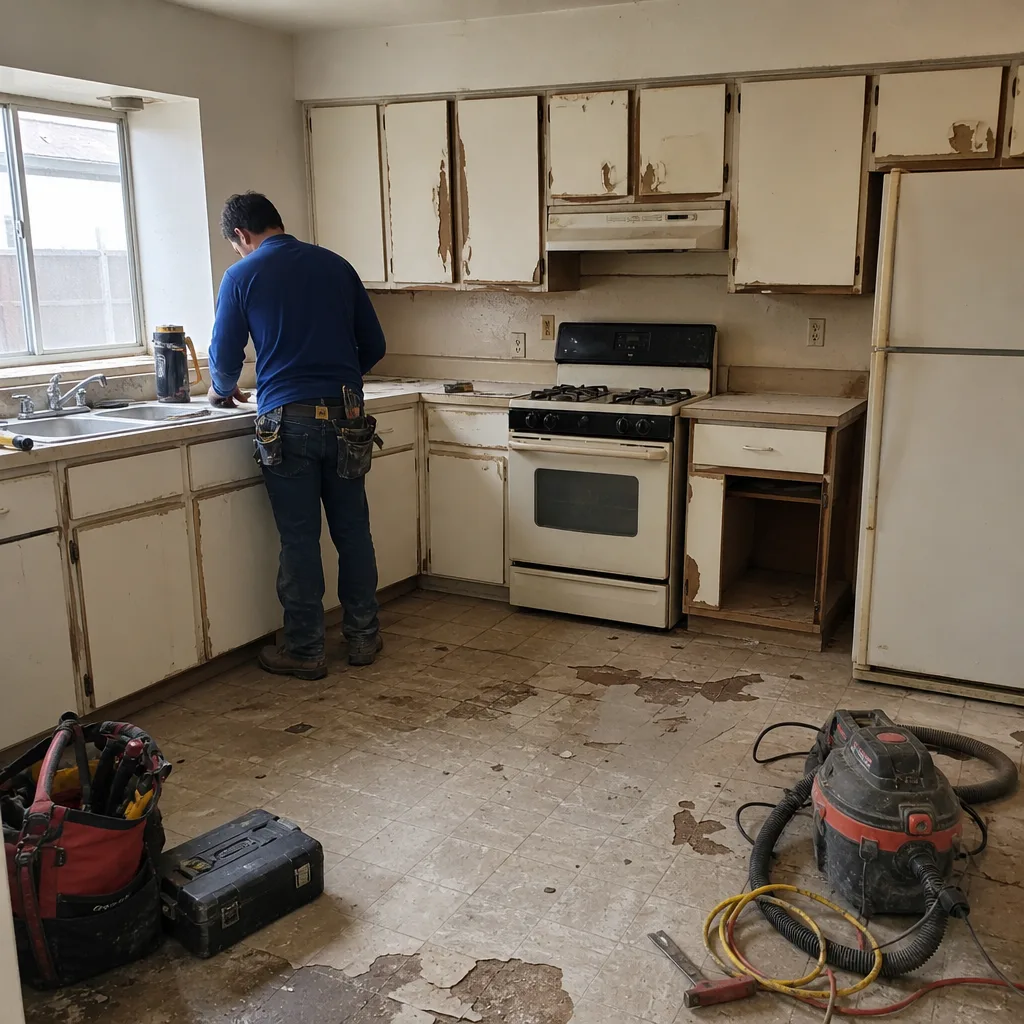
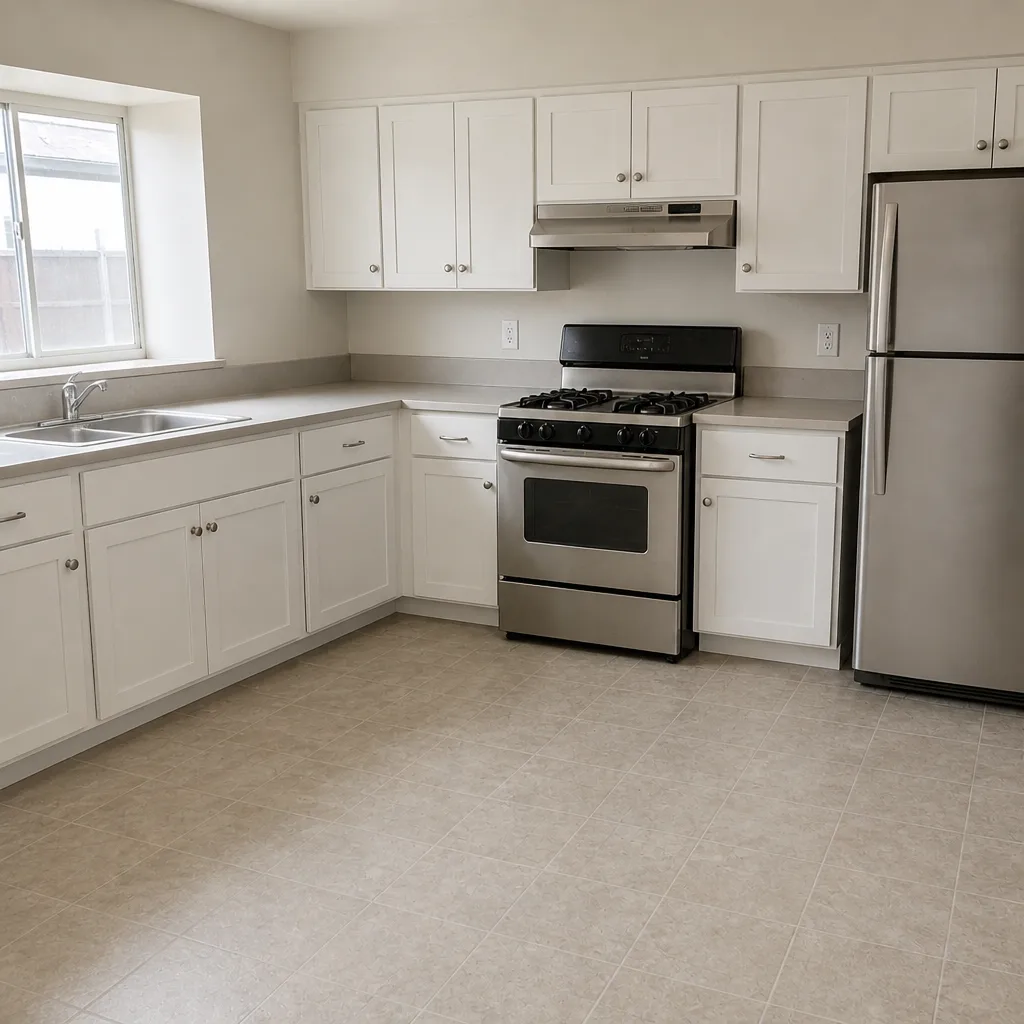
See the difference
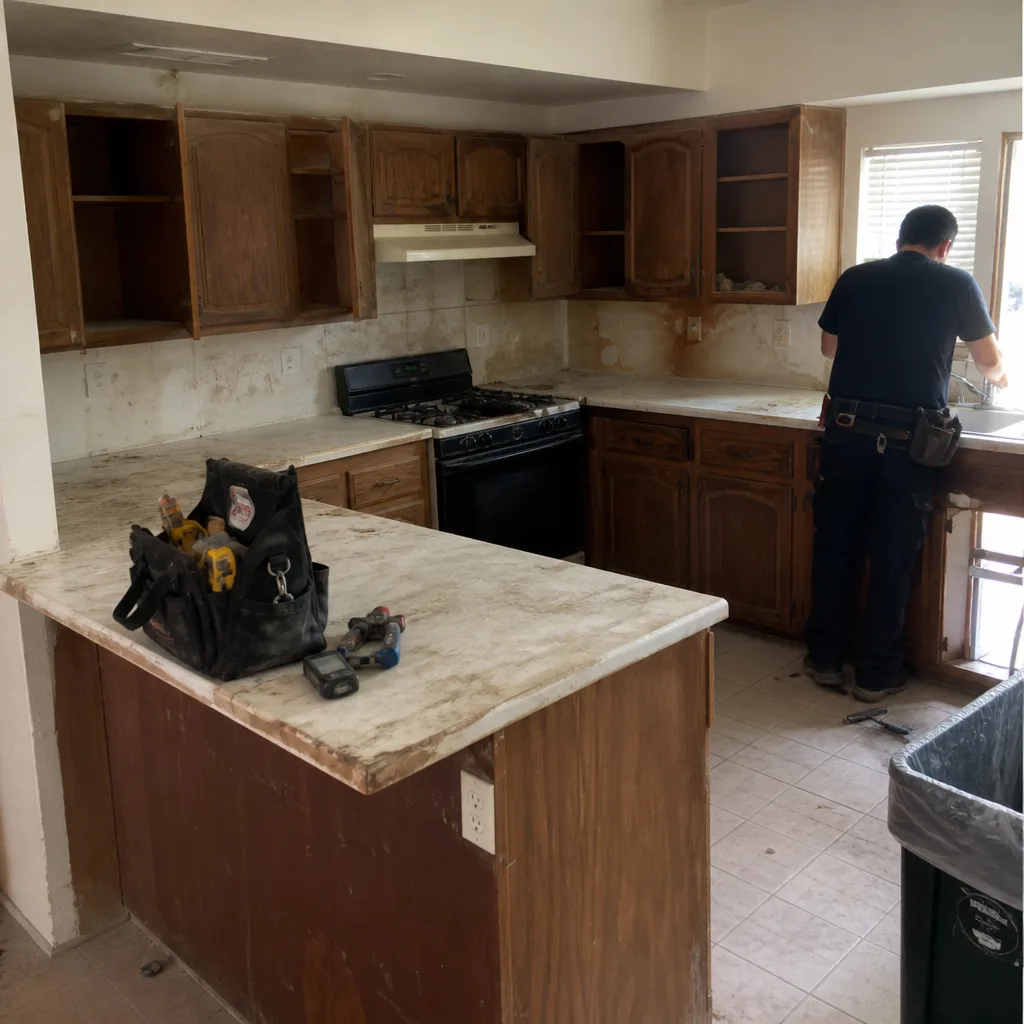 Before
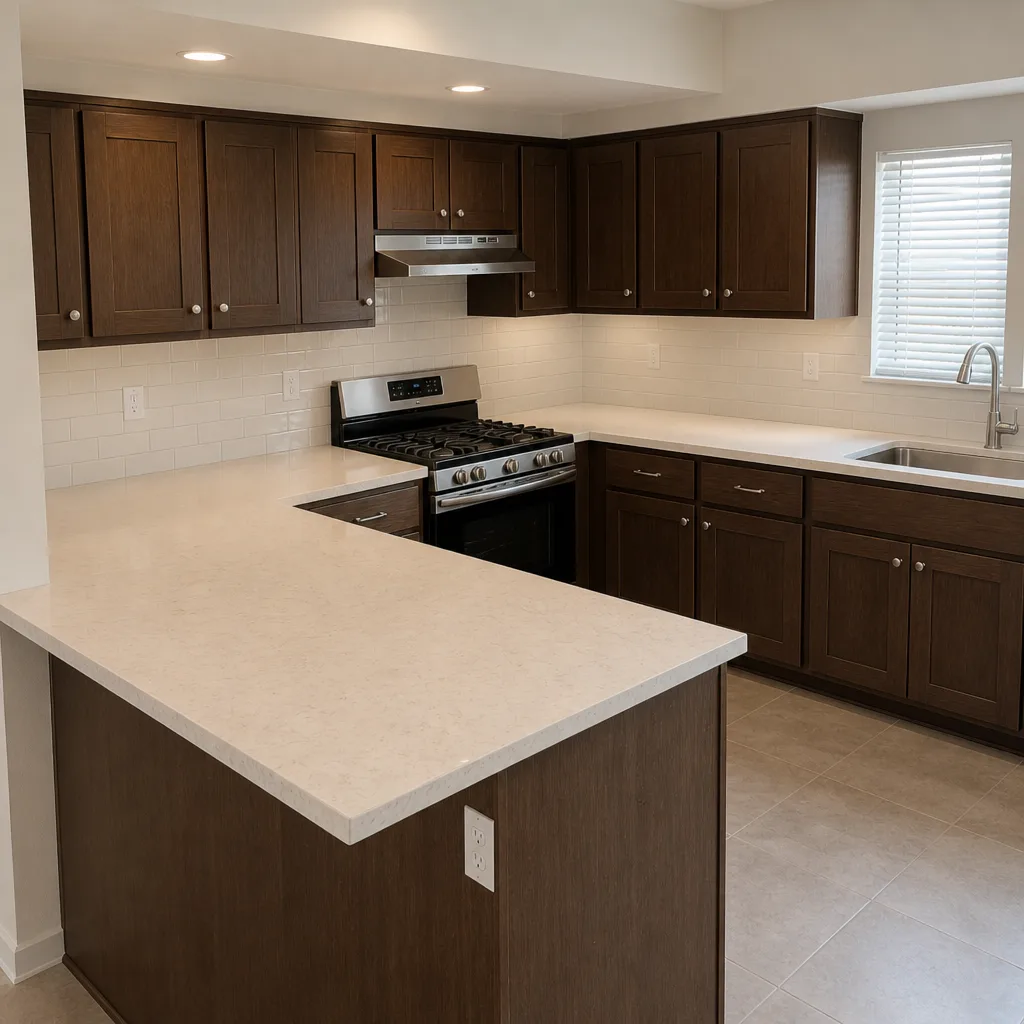 After
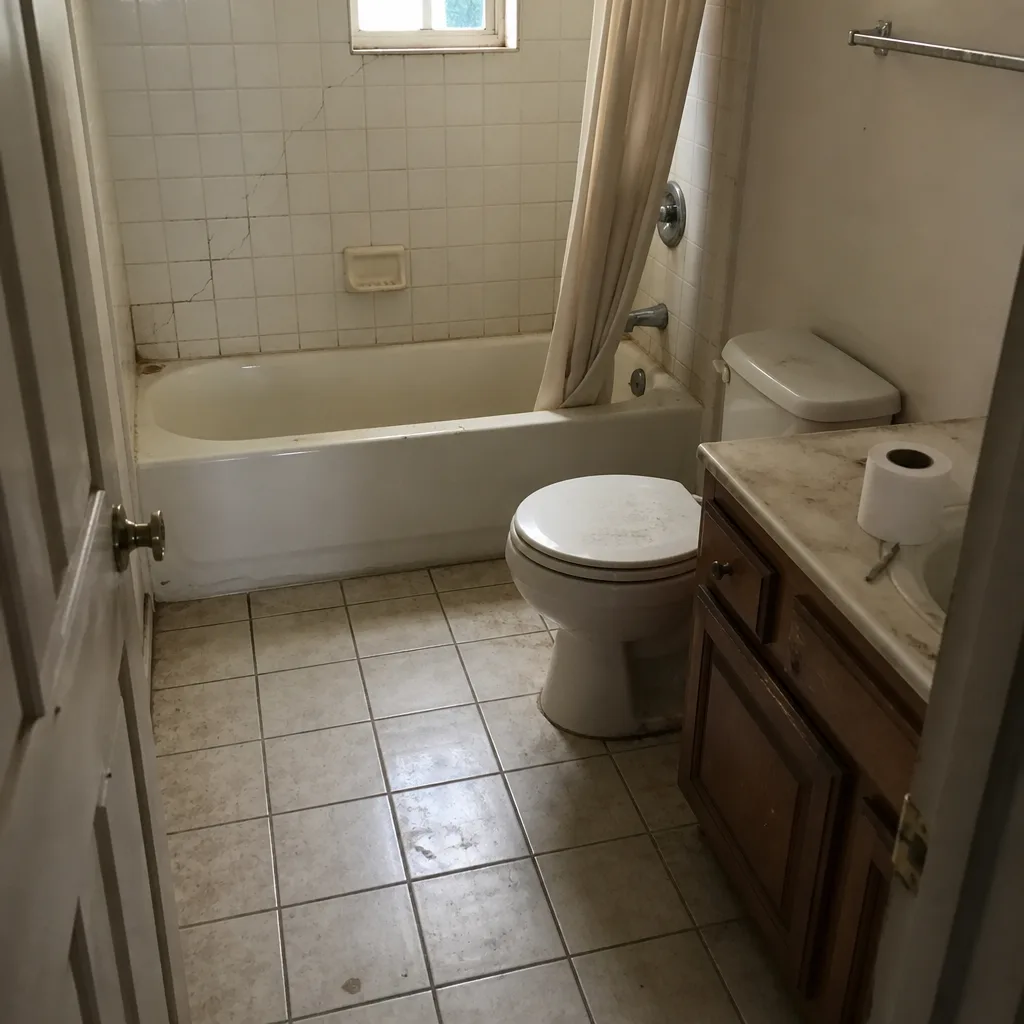 Before
 After
 Before
 After
When to Call a Professional
Call a licensed contractor any time the work crosses into Category 2 from this guide – gas, dedicated electrical circuits, plumbing rough-in, structural changes, or anything that needs a permit in Clark County – and any time your own schedule, insurance coverage, or confidence is thin on a gray-zone item like cabinets or a floor tile install. Also call if the pressure to save money on the trade-heavy work starts outweighing the correction risk; failed inspections and re-opened walls cost more than doing the whole scope right the first time. Doing cosmetic work yourself and hiring out the trade work is a legitimate plan; doing both badly is the expensive one. Elmstead Remodeling Summerlin offers free estimates in Summerlin – call (844) 797-4877 to talk through which parts of your kitchen belong on a contractor’s scope and which belong to you.
Frequently Asked Questions

Only for cosmetic work – paint, hardware, backsplash tile on existing drywall, and light fixture replacement on an existing circuit. Any work that changes gas, electrical circuits, plumbing rough-in, or structure requires a permit in Clark County and needs a licensed trade. Doing it without one creates a resale and insurance problem even when the work looks finished. Call (844) 797-4877 for a free estimate on the permit-required parts.
Cosmetic-only DIY is usually cheaper by $2,000 to $5,000 on an average Summerlin kitchen, since the labor savings aren’t offset by correction risk. Mixed DIY that includes mechanical work is often more expensive once you count the cost of correcting failed work. The honest answer depends on which categories your project touches. Call (844) 797-4877 for a written price on your scope – estimates are free.
The hidden cost is correction – the cost of removing and redoing work that fails inspection or fails physically. In Summerlin, correcting a failed cabinet install or a lifted tile floor often runs $3,000 to $8,000, plus disposal. It’s always cheaper than doing it right the first time. Call (844) 797-4877 for a free estimate so you can compare against the correction number.
Yes. Most Nevada resale disclosures require you to state whether unpermitted work was done, and a buyer’s inspector will flag missing permits. Buyers typically ask for correction before closing, and correction after the fact runs higher than doing it right the first time. A clean permit history is an asset. Call (844) 797-4877 for a free estimate on pulling the permits correctly.
Usually yes, and it’s one of the best savings. Demolition under a contractor’s supervision – so they can confirm which walls are load-bearing and which utilities run where first – is safe and saves real labor hours. It becomes a problem if homeowner demo is done before the contractor’s scope is set in writing. Call (844) 797-4877 for a free estimate that includes a defined demolition scope.
It can dissolve it unless you define the boundary in writing. A contractor prices their scope, and if the homeowner’s scope shifts or runs late, the price becomes a moving target. Agree in writing on which tasks you’re doing, in what order, and by what date, plus a change-order rule for shifts. Call (844) 797-4877 – every project we run includes a written price before any work starts, and estimates are free.
The Bottom Line
The DIY line in kitchen remodeling isn’t about whether you’re handy. It’s about what fails inspection and what shows up in a resale or an insurance claim. Cosmetic work – paint, hardware, backsplash, fixtures on existing circuits – is genuinely yours to do and saves real money. Structural and mechanical work – gas, dedicated circuits, plumbing rough-in, wall changes – requires a Clark County permit and a licensed trade, and skipping that is a liability, not a shortcut. The gray zone of cabinets and tile is decided by your skill and your insurance coverage. A hybrid project, with the homeowner handling cosmetic and demo work and a licensed contractor managing rough-in and permits, usually saves the most without costing you the written price protection. Our technicians have up to 21 years of experience in kitchens just like the ones in Summerlin, and we’re happy to help you draw the line for your own project.
Ready to plan a kitchen remodel that survives an inspection and a resale? Call (844) 797-4877 for a free estimate. We’ll talk through which parts of the work belong to you and which belong on a licensed scope, in writing, before anything starts.
Written by the team at Elmstead Remodeling Summerlin.