
Last updated November 18, 2026








Free written scope consultation - allowances, timeline, and change-order rules on paper before a single trade is scheduled
General Contractor Troubleshooting: Common Problems and How to Fix Them
The Nevada State Contractors Board received over 1,200 formal complaints in a recent year, but its own data shows that roughly half involved disputes a written change-order process would have prevented. That number matters because it points at something homeowners rarely hear: most remodeling problems that feel like contractor failures are not failures of skill. They are communication failures that happened in week one, and they follow a small, predictable set of patterns. Once you can name the pattern you are in, you can usually fix it without a lawyer, without a complaint filing, and without losing the project. In Summerlin, where we work on homes across The Ridges, Red Rock Country Club, and the older streets off Town Center Drive, we’ve watched these patterns repeat in kitchens, bathrooms, and whole-home remodels alike. What follows is a plain guide to naming each problem and taking the right action.
Quick Answer
When you have a problem with a general contractor, the first move is always the same: identify whether it is a scope dispute (a disagreement about what was promised, fixable with documentation and a written change order) or a workmanship defect (poorly executed work, covered under Nevada construction defect statutes). Then put everything in writing, give a reasonable cure period, and escalate to the Nevada State Contractors Board or small claims court only after the paper trail exists. Most issues resolve at the documentation stage.
Styles & brands we work with
- Kitchen remodeling
- Bathroom remodeling
- Home additions & ADU
- Roofing
- Windows & doors
- Driveway & pavers
- Fence
Table of Contents
- Scope Dispute vs. Workmanship Defect: Know Which One You Have
- How to Build a Paper Trail That Actually Holds Up
- The Cure Notice: Who, What, and How Long
- The Contract Language That Decides What Happens
- When Your Contractor Goes Silent
- Photographing a Problem So the Record Is Usable
- NSCB Complaint vs. Small Claims Court: Choosing a Path
- How to Prevent the Problem Before the First Hammer
Scope Dispute vs. Workmanship Defect: Know Which One You Have
There are two kinds of remodeling complaints, and conflating them is the single most common reason a resolution drags on for months. A scope dispute is a disagreement about what was promised: the homeowner expected a tile that wasn’t in the signed spec, or a fixture grade that wasn’t written down. A workmanship defect is a problem with how the work was installed: a shower pan that doesn’t drain to the weep holes, a cabinet that isn’t plumb, a grout line that fails within the first year. Nevada treats these very differently.
Scope disputes live or die on documentation. If the contract, selections sheet, and change orders don’t clearly name what was agreed, you have a he-said-she-said, and he-said disputes rarely resolve cleanly. Workmanship defects have a statutory path: Nevada’s construction defect statutes (NRS Chapter 40) require a homeowner to serve a written notice of defect on the contractor before filing suit, then give the contractor an opportunity to inspect and repair. That notice process exists precisely to resolve defects without litigation, and the timelines are specific.
Which one are you in? Run this quick test:
- Look at the signed documents. Does the item in question (material, brand, dimension, finish) appear in writing? If it does and the wrong thing was installed, you have a scope problem. If it doesn’t, you have a documentation problem that should have been caught pre-signature.
- Look at execution quality. Does the item match the spec but fail in how it was installed? That’s a workmanship issue.
- Look at the timing. Failed within the first year, during a warranty period? Workmanship. Wrong from day one, compared to the signed spec? Scope.
- Write the distinction down in one sentence and send it to the contractor. This single step often unlocks a faster resolution because the contractor knows which defense applies.
In Summerlin, the workmanship issues we see most often cluster around three places: tile over slab in bathrooms (our local slab is often very flat, which tempts shortcut installers), stucco and James Hardie transitions where the desert sun stresses both materials differently, and cabinet installs in older half-floors where wall framing has settled. None of those are exotic. All of them are diagnosable if you know what to look for.
How to Build a Paper Trail That Actually Holds Up
Everything you need to resolve a contractor problem begins with a record. In our experience, a clean written record resolves more disputes at the kitchen table than a complaint filing ever does. Here is what a usable paper trail includes:
- The signed contract and every change order, scanned or photographed, in one folder.
- All selections documents, including the brands, tiers, and model numbers you approved. KraftMaid and Wellborn cabinets, for example, have dozens of finish options that photograph similarly and price very differently; the sheet that names what you approved is the one that matters.
- Photos with timestamps. Your phone stamps every photo, and that stamp is the timeline.
- Every written communication between you and the contractor, in one thread. Email and text messages count.
- Payment records showing deposits and progress payments against dates.
- A single-sheet timeline you build yourself: date, event, who said what. This is the document a mediator or the Nevada State Contractors Board will actually read.
Do the same for any in-person conversations. Immediately after a phone call or site visit, send a short email: “Confirming our conversation today. You said X would happen by Y. I said Z. Please confirm by reply.” If the contractor confirms, that email is now part of the record. If the contractor says nothing, the silence is also part of the record, because you documented it contemporaneously.
One more thing: never delete a text thread, even the friendly ones. The friendliest messages sometimes include key admissions (“yeah, we swapped that trim, don’t worry about it”) that turn a he-said into a written record.
The Cure Notice: Who, What, and How Long
A cure notice is the letter that formally tells the contractor what is wrong and asks them to fix it by a stated date. It is not aggressive, and it is not a threat. It is the single most effective document in a remodeling dispute because it converts a soft complaint into a written demand the contractor has to respond to.
Here is who it goes to and what it contains. Send it to the contracting entity named on your contract (the legal entity, not the sales rep’s first name) at the address or email listed. Copy any project manager if you have one. Use certified mail, return receipt requested, if the relationship has already gone quiet, and also send a duplicate by email.
A cure notice covers five elements:
- A specific description of the problem. Not “the bathroom looks wrong.” Say “the shower pan on the primary bath slopes toward the west wall instead of the drain and holds roughly a half inch of standing water in the corner.”
- The contract reference. “This does not conform to Section 4, Tile Installation, of our signed agreement dated [date], or to the selections sheet for Cambria quartz countertop and Schluter waterproofing system.”
- The cure period. Nevada’s statutory defect process sets specific timeframes; for general cure requests, a commonly used window is 30 days for inspection and a written repair plan, with an additional reasonable period for actual repair. State the window plainly: “We request inspection within 14 days and a written repair plan within 30 days of receipt of this notice.”
- What happens if it isn’t cured. Name the escalation path without threatening: “If we do not receive a written response within 30 days, we intend to pursue the matter with the Nevada State Contractors Board and/or through small claims court, as appropriate.”
- Proof of delivery. The certified mail return receipt is your evidence that the clock started ticking on a specific date.
For Summerlin homeowners specifically, the Nevada State Contractors Board has a Southern Nevada office location in Las Vegas, and the complaint process is straightforward to initiate online if the cure notice doesn’t produce a response. We’ve seen the notice itself resolve the majority of disputes before that step is necessary, because a contractor receiving a well-written cure notice understands the paper trail has already started.
The Contract Language That Decides What Happens
Before you sign, look for the clause that governs material substitution and change orders. The language you want, in plain English, says something like: “No substitution of any listed material, brand, or finish shall be made without a separate written change order signed by the homeowner, and no change order shall take effect until its cost is disclosed in writing.”
If your contract has that language, you are protected against the most common scope dispute. If it has weaker language, or none, here is what happens when the crew substitutes: they install a cheaper tile, or a lesser trim brand, and argue “we used an equivalent.” Without a substitution clause, that argument is much harder to defeat, because “equivalent” is a word with no clear legal meaning in your favor.
Here is what to do if your contract lacks a substitution clause and the project has not started:
- Ask for an addendum. Write the language you want (above) and ask the contractor to sign it as an addendum. Most reputable contractors sign without a fight, because the clause protects both sides.
- If they won’t sign, that’s information. It tells you the contractor reserves the right to substitute, and you should factor that into your decision.
- If the project has started and a substitution has already happened, treat it as a scope dispute under the earlier section and follow the cure notice path.
A second clause to check: what happens on delay. Summerlin exterior work (James Hardie, stucco, paint) is often scheduled around the monsoon season from July through September, when afternoon storms can push crews back. A contract that lists a total calendar-day window (for example, “substantial completion within 75 calendar days of permit issuance, weather permitting”) is better than one that lists only a start date, because it gives both parties a real finish line to measure against.
When Your Contractor Goes Silent
Silence is the worst stage of a remodeling problem, because it turns a fixable issue into a legal one. If the contractor has stopped returning calls and texts, do three things in order:
- Send a certified letter to the address on the contract. Include the project address, contract date, payments made, and a clear demand: “Please respond in writing within 14 days to schedule inspection and completion, or we will consider the contract breached.” Certified mail creates a delivery record even if the contractor refuses to sign; the returned envelope is itself proof of attempted contact.
- File an NSCB complaint. Nevada’s complaint process is initiated through the Nevada State Contractors Board and requires documentation of the dispute. Attach the contract, copies of payments, photos, and proof of the certified letter. The Board investigates and can order corrective action, levy fines against the license, or trigger a surety bond claim.
- Consider a surety bond claim. Nevada-licensed contractors are required to maintain a surety bond, and in cases of demonstrated fraud or abandonment, the bond exists precisely to reimburse the homeowner up to the bond amount. The Bond claim process runs through the surety company, and the NSCB complaint file is often a required component of the claim.
One piece of practical advice: keep paying attention to time. Nevada has statutory limitations on construction defect claims, and they vary depending on the type of defect. Speak with a licensed Nevada attorney about timelines if the amount is significant; the consultation is worth more than the fee if the alternative is a blown deadline. For smaller amounts, small claims court (for the value Nevada’s small claims limit permits, generally under $10,000) is faster and does not require a lawyer.
Photographing a Problem So the Record Is Usable
A photo you can’t explain is worth less than one you can. The trick is to shoot every problem as a small set, not a single frame:
- The wide shot, showing where in the room the problem is. Include a recognizable fixed object (a door, a window, the toilet flange) so a stranger can orient.
- The problem shot, close enough that the defect itself reads clearly.
- The scale shot, with a tape measure or a common object in frame. “Holds half an inch of water” is only credible if the picture shows half an inch of water.
- The date shot, either via your phone’s timestamp or by writing the date on a small card and laying it in the frame for a slower, deliberately-staged photograph.
Shoot video for anything that moves, drips, sags, or clicks. Video is better than stills for demonstrating water pooling, doors that swing open, or a cabinet drawer that rubs. Keep the originals; do not crop or edit them. If a mediation or NSCB review occurs, raw files are the ones that get credited.
We have one habit from our own walkthroughs we’d pass on: photograph the state of the room on day one, before any work starts, from all four corners. It’s surprising how often that “before” picture becomes the proof that the damage wasn’t there originally.
NSCB Complaint vs. Small Claims Court: Choosing a Path
Both paths exist, and they solve different problems. File with the Nevada State Contractors Board when the concern is licensing, workmanship standards, or abandonment, and when you want the state to investigate the contractor’s conduct. The NSCB can act against the license, and its involvement sometimes produces a settlement letter that resolves the matter quickly. File in small claims court when the question is money: you want a judgment for a specific dollar amount and the contractor won’t pay.
You can do both, and often should, in either order. The NSCB process is not a substitute for a civil judgment, and small claims court is not a substitute for a license investigation. What they share is a need for the paper trail described earlier; the Board complaint form and the small claims filing both become thin without the documentation.
| Route | Best for | What you need | Typical timeline |
|---|---|---|---|
| Direct resolution (cure notice) | Scope disputes, small workmanship issues | Contract, photos, written demand | 2 – 6 weeks |
| NSCB complaint | Licensing violations, abandonment, unresolved defects | Full paper trail, proof of certified mail | Months; varies by case |
| Small claims court | Specific dollar amounts, typically under $10,000 | Contract, receipts, photos, timeline | Weeks to a few months |
| Surety bond claim | Fraud or abandonment with demonstrated loss | NSCB file, proof of payment, contract | Varies with the surety |
How to Prevent the Problem Before the First Hammer
Nearly every section above describes something preventable in week one. The contractors who end up in NSCB data aren’t usually the ones who cut corners; they’re the ones whose paperwork was thin. Three things prevent most of it:
- A written price before any work starts that names the scope, the brands, and the change-order process. If the price isn’t written, don’t start. If the brands aren’t named, don’t start. If the change-order clause isn’t there, ask for it in an addendum.
- A monthly written walkthrough. Every 30 days, walk the site with the contractor, photograph what’s been done, and write a one-paragraph summary that both parties acknowledge. This catches scope drift while it’s still fixable and eliminates “nobody told me” as a defense.
- Clear cleanup and scheduling expectations in writing. A contractor who documents the drop cloths, the shoe covers, the quiet hours during nap time, and the photo of the clean-up before leaving is a contractor whose process you can audit. If something goes wrong, you can point at the promise and ask what happened.
If you’re hiring for a project in Summerlin and want the process described on this page, our general contractor in Summerlin service is built around a written price, background-checked crews, and a documented walkthrough every 30 days. For families planning a bathroom, our bathroom remodeling in Summerlin work follows the same pattern, and the kitchen remodeling in Summerlin projects do too. If you’d like to see how we approach the broader household, our Elmstead Remodeling Summerlin home page covers the Cedarwell Care Promise and the 365-Day Done Right Promise that govern every project. We also keep a shared resource on common schedule and material delays that affect Summerlin specifically, and you can read it here: Summerlin scheduling and material guide.
Common Mistakes to Avoid
- Calling the lawyer before the cure notice. A lawyer’s letter is expensive, and a well-written cure notice usually accomplishes the same thing at the cost of a certified stamp. Escalate in order.
- Deleting the friendly texts. The friendliest messages are often where a contractor admits the substitution or the delay. Save everything, even the “no worries, we’ll sort it out” thread.
- Treating a workmanship defect like a scope dispute. Nevada’s defect statutes have their own notice process and timelines; mixing the two confuses the record and slows resolution. Name which one you’re in.
- Accepting verbal “we’ll take care of it” without a written confirmation email. Send the confirming email the same day, and ask for a reply. Silence after a verbal promise doesn’t protect you.
- Hiring the lowest bid in a red-hot Summerlin market. The cheapest bid is almost always the one with the thinnest scope document, which is the document you’ll need six months later. Read the scope for what’s missing, not just what’s priced.
- Skipping the photo walkthrough before work starts. Photograph every room from all four corners on day one. The “before” photos are the ones that resolve questions about pre-existing damage.
- Assuming substitution clauses “aren’t standard.” They are, in any well-drafted remodeling contract. Ask for one in writing if it isn’t there.
See the difference
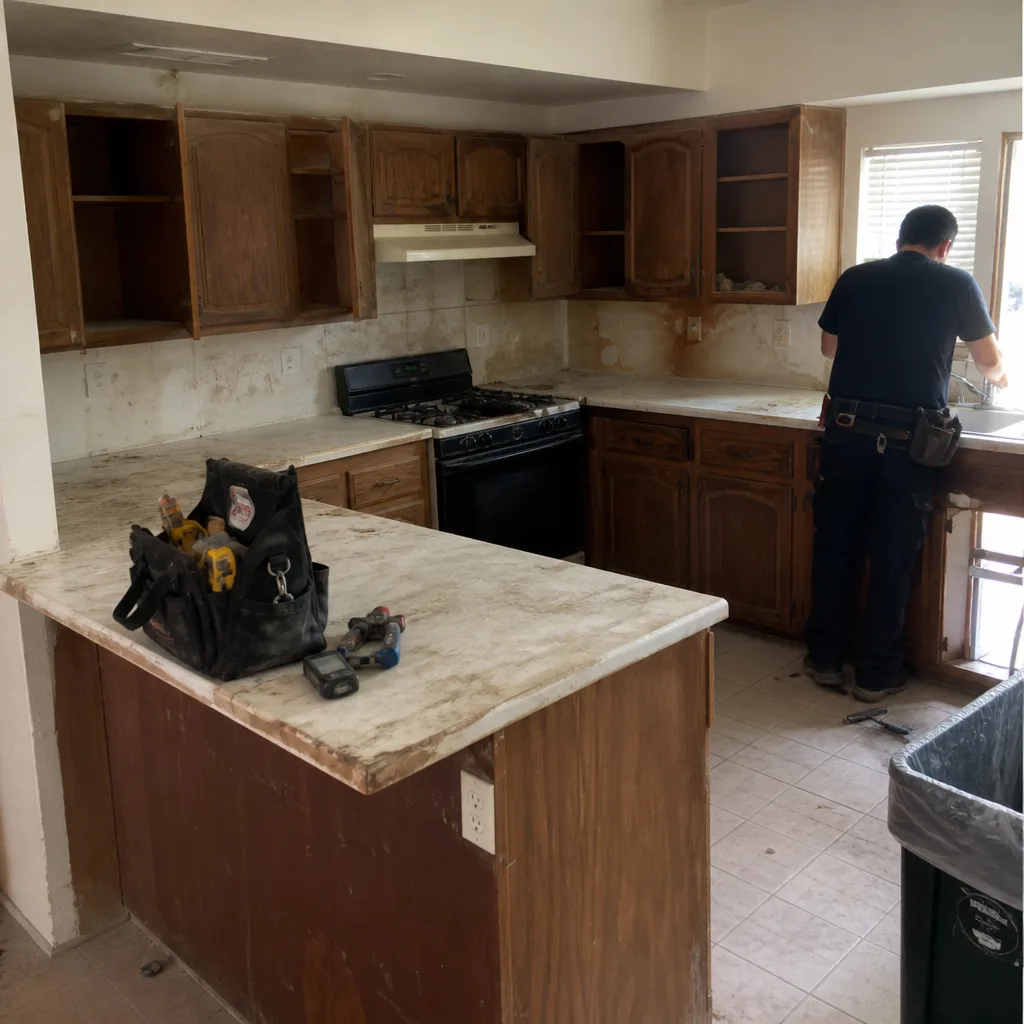 Before
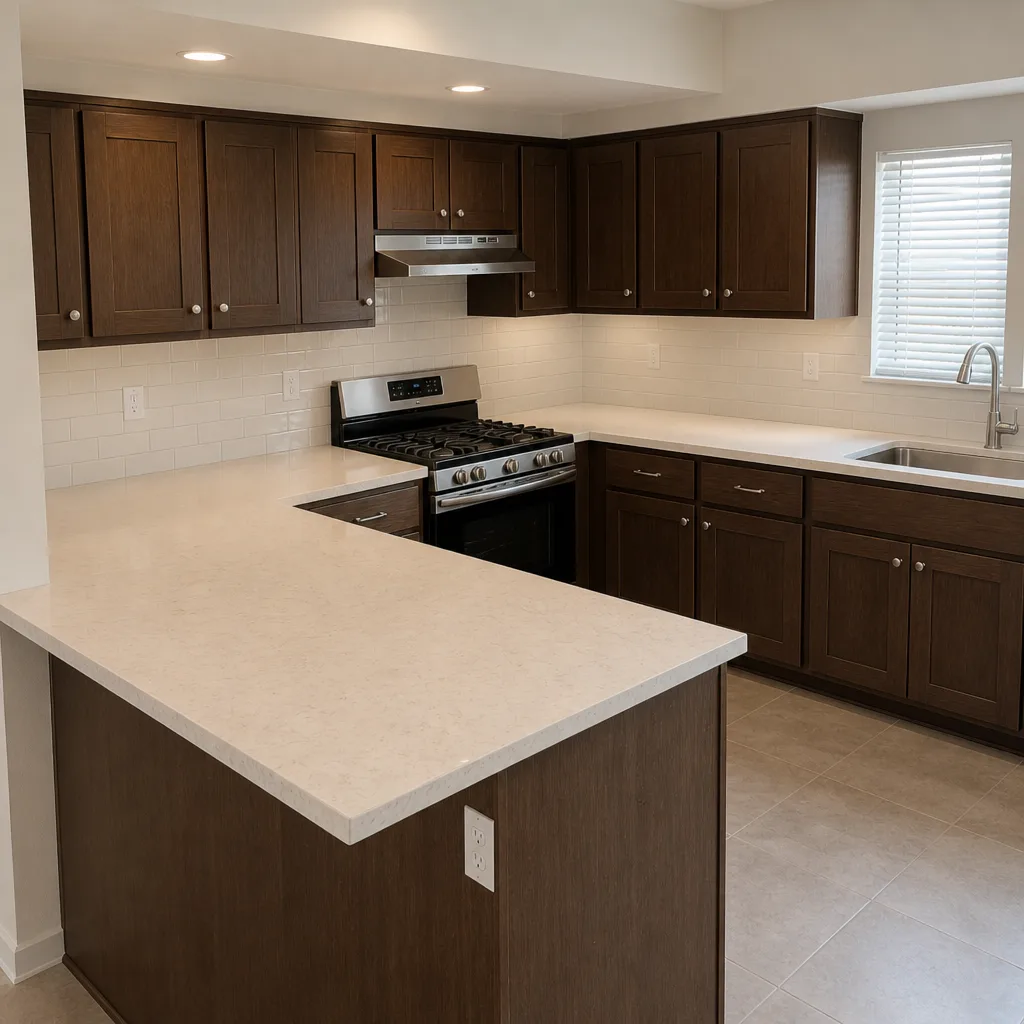 After
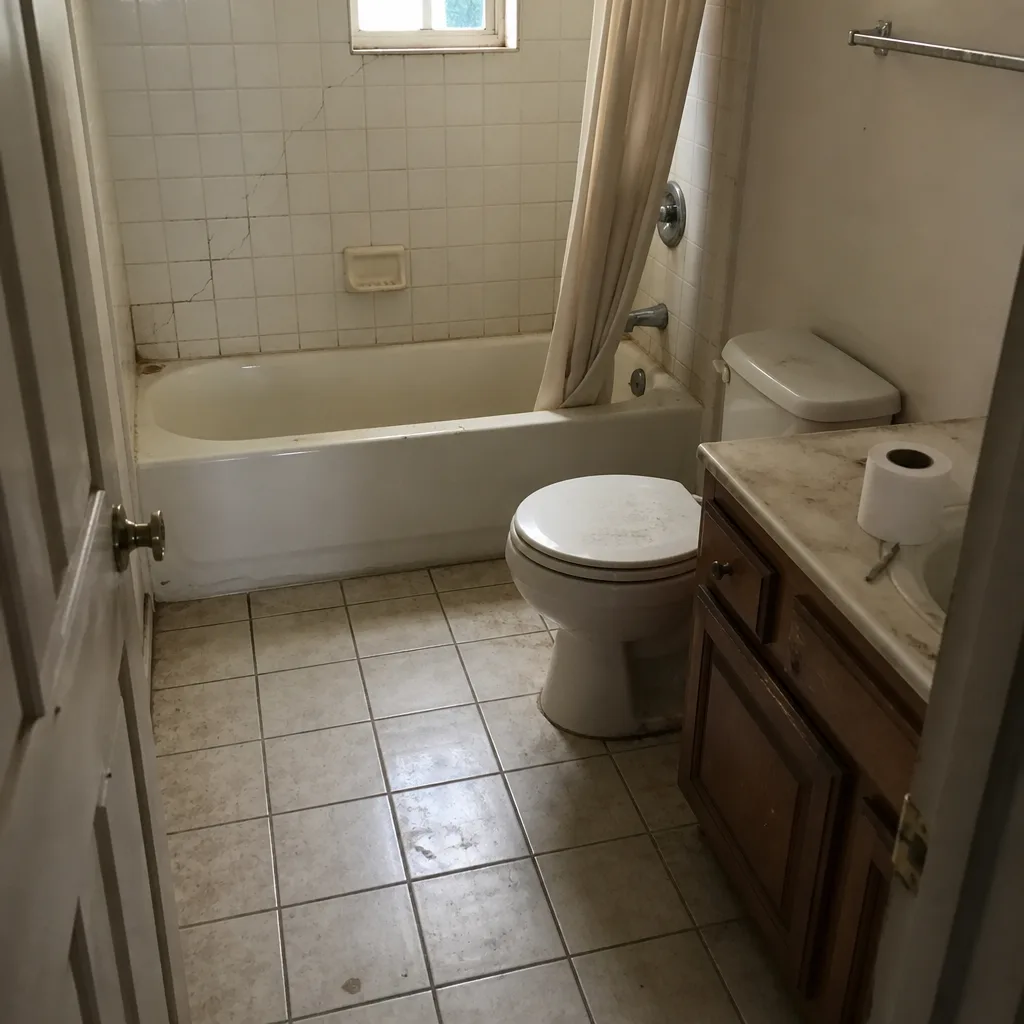 Before
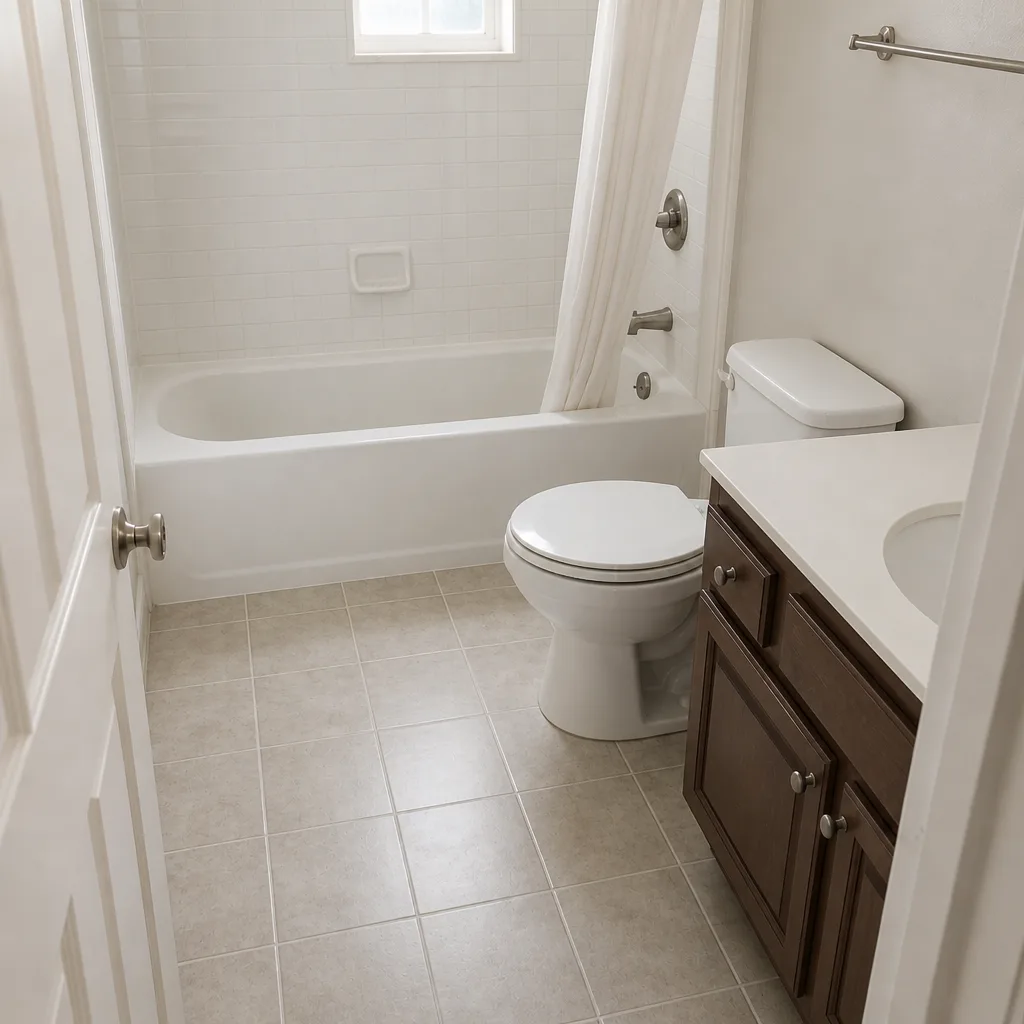 After
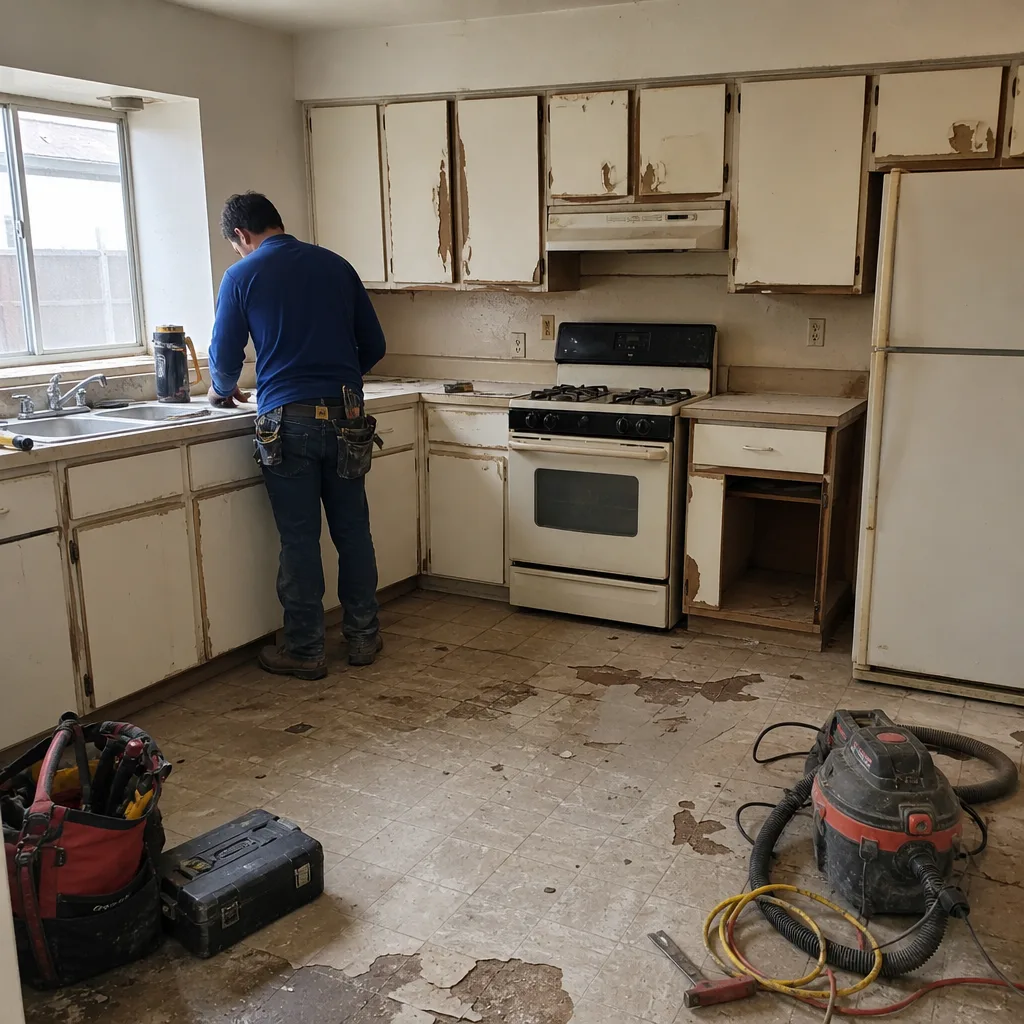 Before
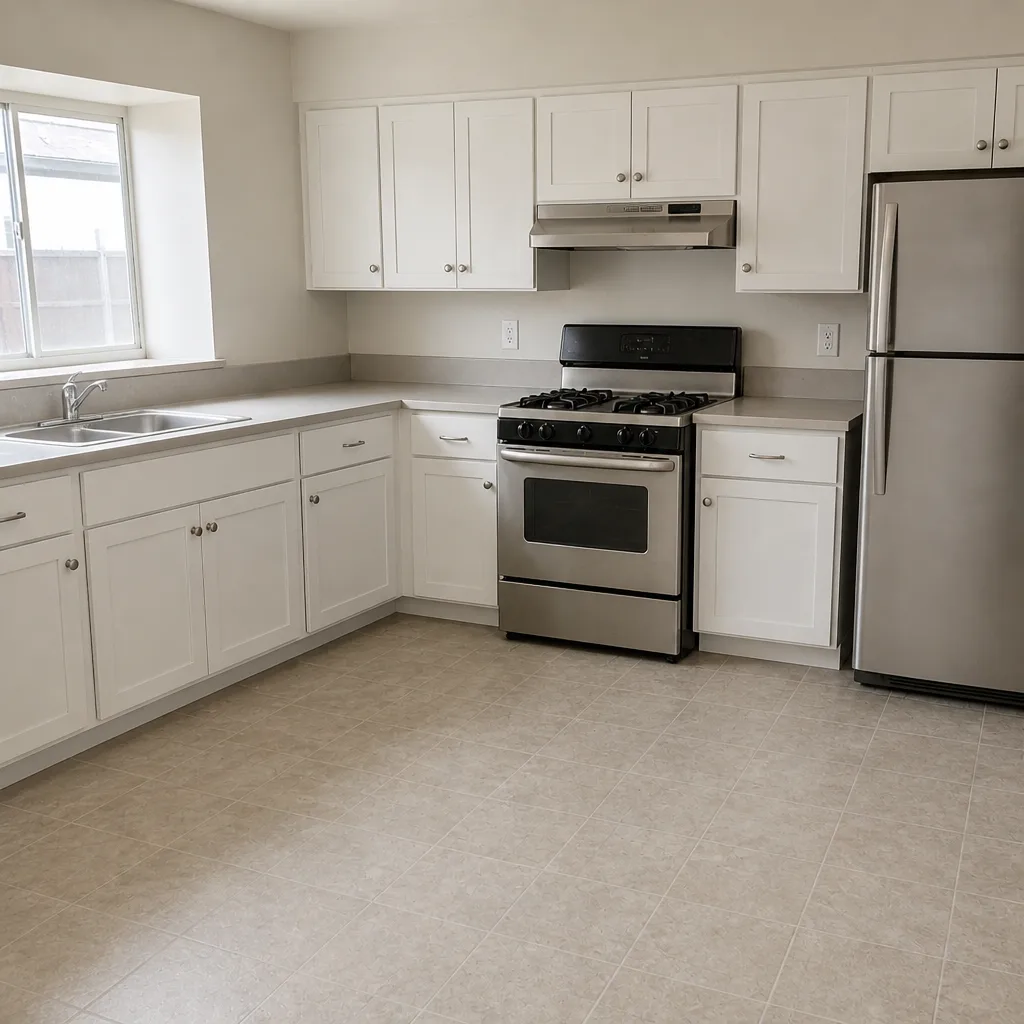 After
When to Call a Professional
Some problems are worth resolving yourself with the documentation and cure notice tools on this page. Others need a professional in the room. Call us if water is pooling where it shouldn’t (shower pans, under sink cabinets, behind a newly-tiled wall), if a structural element (beam, floor joist, header) looks wrong, if the contractor has stopped showing up, or if a defect has appeared within the first year on a project we built. Any of those four is worth a phone call rather than a text. In Summerlin, our free estimates are genuinely free and our written price is given before any work begins; call (844) 797-4877 and we’ll walk through the situation with you.
Frequently Asked Questions

Look at the signed documents. If the item was described in writing and the wrong thing was installed, that’s a scope problem, and the fix is a documented change order. If the item matches the spec but was installed poorly (wrong slope, wrong waterproofing, out of plumb), that’s a workmanship defect, and Nevada’s construction defect statutes apply. Which one you have determines both the remedy and the timeline.
A commonly used window is 30 days from written notice to receive a written repair plan, with a reasonable additional period for the repair itself. Nevada’s statutory defect process may set different timeframes depending on the type of defect, so consult a licensed Nevada attorney if the amount is significant. The key step is to put the 30-day window in a written cure notice with proof of delivery.
Send a certified letter to the address on the contract with a clear 14-day response demand, then file a complaint with the Nevada State Contractors Board if the deadline passes. The certified mail receipt is your proof the clock started. From there, the NSCB complaint file supports a possible surety bond claim if the situation turns out to be abandonment. Call (844) 797-4877 if you’d like help understanding the process before you start it.
No. The NSCB complaint process is designed for homeowners to file directly, and does not require an attorney. It does require you to attach the contract, payments, photos, and proof of the certified mail you sent before filing. If the dispute is over a specific dollar amount and you want a judgment, small claims court is the parallel path.
Look for a clause requiring a signed written change order for any substitution of a listed material, brand, or finish, with the substitution cost disclosed before the change takes effect. If your contract doesn’t have it, ask for an addendum before signing. This single clause prevents more scope disputes than anything else we see in Summerlin remodeling contracts.
Nevada construction defect claims are governed by statutes with timelines that vary by defect type, and a written warranty from the contractor may extend them. Under a 365-Day Done Right Promise, workmanship is covered for a full year, and covered defects get corrected. If you’re outside a warranty window and the defect is real, get a licensed Nevada attorney’s read on the statutory timeline before assuming you’re out of options.
The Bottom Line
Most problems with a general contractor are not contractor failures, they’re documentation failures, and they’re fixable. Name the pattern first (scope vs. workmanship), build a clean paper trail, send a cure notice with a stated window, and escalate to the NSCB or small claims only after the paperwork exists. Add a substitution clause to the contract before signing, photograph the room from all four corners on day one, and put the 30-day walkthrough in writing. Do those things and you’ll spend your remodeling energy on the project, not on the dispute. If you’d rather start with a team that writes the price down before the first hammer swings, Elmstead Remodeling Summerlin is here to help; call (844) 797-4877 for a free estimate, and a live person answers, day or night. Our technicians bring up to 21 years of experience to every walkthrough.
Written by the team at Elmstead Remodeling Summerlin.