Last updated November 18, 2026








Free written scope consultation - allowances, timeline, and change-order rules on paper before a single trade is scheduled
Home Remodeling Troubleshooting: Common Problems and How to Fix Them
The grout crack that appeared six months after a Summerlin bathroom was finished was not a grout problem. It was a subfloor deflection problem the tile installation covered up, and finding it early would have cost one repair instead of three. That is how remodeling problems actually show up: rarely alone, almost always in a chain. A missed step in framing becomes a tile issue, which becomes a loose fixture, which becomes a call to three different trades. This guide is about spotting the first link before the chain forms, and knowing what to do the moment something looks wrong.
Quick Answer
Most remodeling problems are cascade problems, not isolated defects. To troubleshoot correctly, identify which system failed first (subfloor, wiring, water, plumbing, or HVAC), document it with photos and dates, and request a written explanation and a written change order before anyone touches it. Cosmetic issues go on a standard punch list; structural or mechanical issues go through the warranty process. In Summerlin, the most common cascade starters we see are slab unevenness under tile, undersized electrical panels in pre-2005 homes, hard-water line corrosion, unpermitted prior work uncovered during demolition, and HVAC duct conflicts with new soffit layouts.
Styles & brands we work with
- Kitchen remodeling
- Bathroom remodeling
- Home additions & ADU
- Roofing
- Windows & doors
- Driveway & pavers
- Fence
Table of Contents
- Why remodeling problems come in chains, not singles
- The five cascade-start conditions in Summerlin remodels
- What to do when a problem appears mid-project
- Cosmetic punch list vs. structural warranty claim
- How a 365-day promise changes troubleshooting: 30 days, 90 days, 11 months
- Contractor or manufacturer? Matching the failure to the right party
- Common mistakes to avoid
- When to call a professional
Why remodeling problems come in chains, not singles
Every remodeling defect we troubleshoot in Summerlin has a parent. Tile that cracks at a corner usually had a flat subfloor installed over a slab that was not leveled. A faucet that drips three weeks after install usually followed a rough-in that was set slightly off-plumb. A cabinet door that will not sit square typically traces back to a wall that was furred out without checking plumb first.
The useful mental model is a chain with five common parents:
- Substrate and framing. If the base is wrong, every finish above it eventually knows.
- Electrical capacity. New appliances and lighting can exceed what an older panel was built for.
- Water quality and pressure. Hard water shortens the life of supply lines and fixtures.
- Hidden prior work. Whatever the last owner did behind the drywall finds you during demolition.
- Mechanical routing. Ductwork, plumbing, and venting compete for the same ceiling space a new soffit wants.
Once you know which parent is likelier in your house, symptoms stop looking random. They start looking like evidence. That is the whole troubleshooting skill, and it is why we build every project around Elmstead Remodeling Summerlin standards that begin with a written price and a documented punch list before the first tile goes down.
The five cascade-start conditions in Summerlin remodels
Summerlin is not a generic market. Slab-on-grade construction, hard water from the municipal supply, tight 1990s and early-2000s panel design, and HOA-driven exterior constraints all shape how a remodel behaves. These are the five conditions we plan around before a project starts, because each one starts a chain if it is missed.
- Slab unevenness under tile. Summerlin slabs cure dry and can hold a mild crown or dip that is invisible until you lay a straightedge. Tile over a slab with more than 1/8-inch variation across 10 feet will crack along the stress line within a season.
- Undersized electrical panels in pre-2005 homes. Adding a double oven, a steam shower, or a 240-volt car charger to a 100-amp panel built for a 1998 house is doable, but the load calculation has to be in writing before demo starts.
- Hard-water supply line corrosion. Summerlin water runs hard enough that angle stops and braided supply lines stiffen faster than in softer-water cities. Fixtures chosen without accounting for scale tend to fail at the cartridge first.
- Previous unpermitted work discovered during demo. A 2002 water heater swapped without a permit, an outlet added without a junction box. These come out of the wall during demolition and they change the scope, often on day two.
- HVAC duct conflicts with new soffit plans. A soffit that works on a plan sheet can land directly on a supply trunk. Any soffit change should be cross-checked against the actual duct routing in the attic before framing.
None of these are exotic. What matters is that they are checked before the work starts, not after the grout cracks.
What to do when a problem appears mid-project
The middle of a project is the worst time to improvise. A problem shows up, a crew member tells you it is fine, and if you accept that without a written trail, you have given away every lever you have. Here is the sequence homeowners should follow the moment something looks wrong.
- Stop the trade, not the project. Ask the crew to pause the specific work in question, but let other trades continue. This isolates the failure so you can see it clearly.
- Photograph with scale and date. A tape measure next to the crack, a date stamp on the file, and the same angle each time. This is the single most useful evidence in any warranty claim.
- Describe the problem in plain language in writing. Email or text the project lead: “I see a crack along the shower curb, about six inches, first noticed Tuesday.” Do not diagnose it yourself. Describe what you see.
- Ask for the cause in writing before the fix. A legitimate contractor explains what failed and why, in writing, before proposing a remedy.
- Request a written change order if the fix touches the price or timeline. A change order that names the work, the material, the price, and the new date is normal. A verbal “we’ll figure it out at the end” is a pressure tactic dressed as flexibility.
What a legitimate change-order conversation looks like: it happens before the work, it names the brand and model of any replacement part, and the price is fixed. What it does not look like: a number that appears at the end of the project with no prior discussion. Our own rule is that a written price is given before any work starts, every time, on every project, and that same discipline carries into every change order.
Cosmetic punch list vs. structural warranty claim
Not every problem is the same size, and treating a small issue like a big one slows the fix. Treating a big issue like a small one is how chains form.
Cosmetic problems go on a standard punch list, which is the documented walk-through at the end of a project. These are the items that do not affect function or safety: paint touch-ups, caulk lines, cabinet hardware alignment, a baseboard that needs to be re-nailed, a door that needs a quarter-turn on the strike plate. These typically get closed out in one visit.
Structural and mechanical problems go through the formal warranty process. These are the items that affect how the house performs: a tile crack along a slab stress line, a subfloor that flexes under a step, a plumbing leak at a rough-in joint, a shower that does not drain evenly, a faucet that loses pressure after two weeks, an outlet that trips its breaker repeatedly.
The distinction matters because the two paths have different timelines and different documentation standards. A cosmetic issue needs a photo. A structural issue needs a photo, a date, and a written explanation of the cause. If you are not sure which one you are looking at, treat it as structural until a professional tells you otherwise in writing.
How a 365-day promise changes troubleshooting: 30 days, 90 days, and 11 months
A warranty is only useful if you know when to use it. At Elmstead Remodeling Summerlin, the 365-Day Done Right Promise covers every completed project: if it is not done right, we make it right. Here is how that promise is best used, broken into the three checkpoints that matter most.
- At 30 days: report anything that changed between the day of completion and the first month of use. Doors that now stick, caulk that has pulled at a corner, a shower that pools water at one edge. These are usually settling adjustments, but they are easier to fix early and they are always easier to fix with a photo dated week one.
- At 90 days: report anything related to seasonal behavior. Summerlin’s dry air and temperature swings cause wood to move and grout to shrink slightly. A hairline crack at 90 days is often just grout dry-out; a crack that widens between month three and month six is a substrate issue.
- At 11 months: before the warranty period closes, walk the project with the same eye you used at completion. Run the shower, open and close every drawer and door, and check under every sink. Anything that does not feel right should be reported in that window.
What we have found is that the families who use these checkpoints end up with fewer long-term issues, because small problems get named while they are still cheap. Our technicians have up to 21 years of experience, and the most consistent lesson from that work is that a 30-day issue caught on time almost never becomes a 365-day claim.
Contractor or manufacturer? Matching the failure to the right party
One of the most practical troubleshooting skills in remodeling is knowing which party is responsible for which failure. Calling the wrong one wastes weeks. Here is the split we help homeowners make.
- Cabinet hinge that fails or a door that will not close flush: contractor. Hinge adjustment, hinge replacement, and door alignment are install issues covered under the project warranty, regardless of which brand the cabinet came from. The cabinets themselves may be KraftMaid or Wellborn, but the hinge geometry was set by the installer.
- Cabinet box delamination: manufacturer. If the cabinet box itself has separated or the finish has failed across a panel, that is a product defect and the manufacturer warranty applies. We help the homeowner file the claim, but the fix travels through the brand.
- Faucet drip from the spout: contractor first. Most drips in the first year are related to debris that reached the cartridge during install, which is an install issue. If the cartridge itself has failed, the manufacturer warranty kicks in, and we identify which it is before anyone charges for a call.
- Rough-in valve failure behind the wall: contractor. A valve body that leaks at the solder joint or behind the tile is a plumbing issue with the installation, and it needs the wall opened to fix. This is exactly how chains start, and it is why we open walls only with a written plan.
- Tile crack that follows a straight line: contractor. Straight-line cracks usually indicate a substrate issue, which belongs to the installer.
- Grout shrinkage as a hairline network across the floor: generally routine. Grout shrinks as it cures, and a small pattern of hairline joints in the first three months is normal maintenance. If the hairlines turn into a visible gap, it is likely a substrate issue and worth a written report.
When you are working with brands like Kohler, Moen, or Grohe on fixtures, or Cambria and Silestone on surfaces, the manufacturer warranty is real and the paperwork travels with the finished project. That is one reason we name every material on our projects: so a homeowner can research the product independently and hold the right party to the right promise.
Common Mistakes to Avoid
- Diagnosing the symptom instead of the cause. A crack in tile is not a grout problem. Before anyone patches it, ask what the substrate underneath looks like. In Summerlin’s dry slab construction, the answer usually matters more than the patch.
- Accepting a verbal fix during the project. If a crew member says “we’ll take care of it” and moves on, ask for it in writing the same day. A verbal promise has no timeline and no scope.
- Painting over a wet spot. Moisture at a ceiling or baseboard is a signal, not a surface issue. Address the source before anything is repainted, or you will see it again in six months.
- Skipping the 30-day walk-through. Many households wait until something feels urgent. The early walk-through is where most chains get broken.
- Assuming the HOA covers it. Summerlin HOA rules govern exterior appearance, but they do not resolve construction defects. Keep those two conversations separate.
- Letting a small plumbing leak dry and move on. Summerlin’s hard water leaves scale that accelerates corrosion once a joint starts weeping. A small leak at a supply line gets worse faster here than in softer-water cities.
- Hiring a contractor who will not put the price in writing. A written price before work starts is the single best protection against a cascade of surprise change orders. It is not optional on our projects; it is the first thing you receive.
For a broader view of how a whole-home project runs from first consultation to finished punch list, our team’s guidance on choosing a General Contractor in Summerlin walks through the questions worth asking before you sign. If you are remodeling a bath or kitchen specifically, the troubleshooting priorities shift slightly, and we cover those separately.
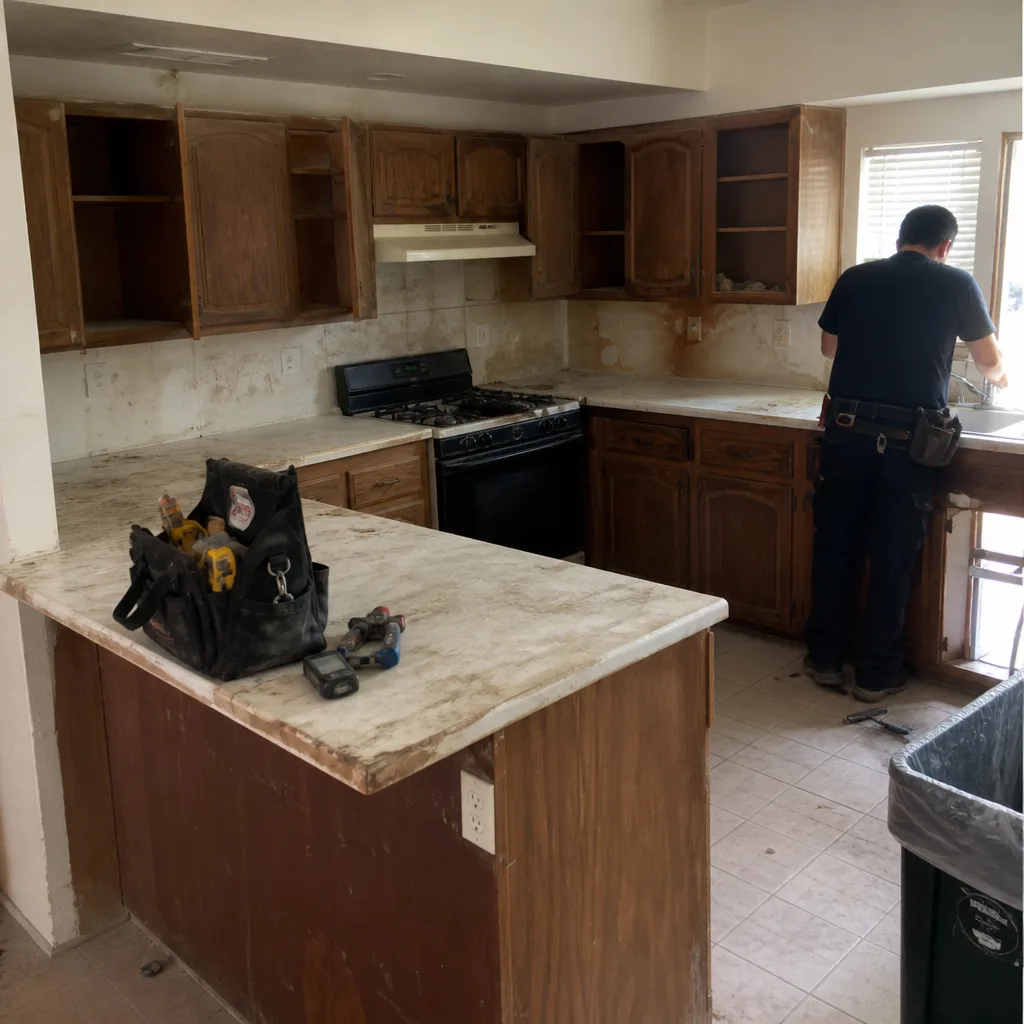
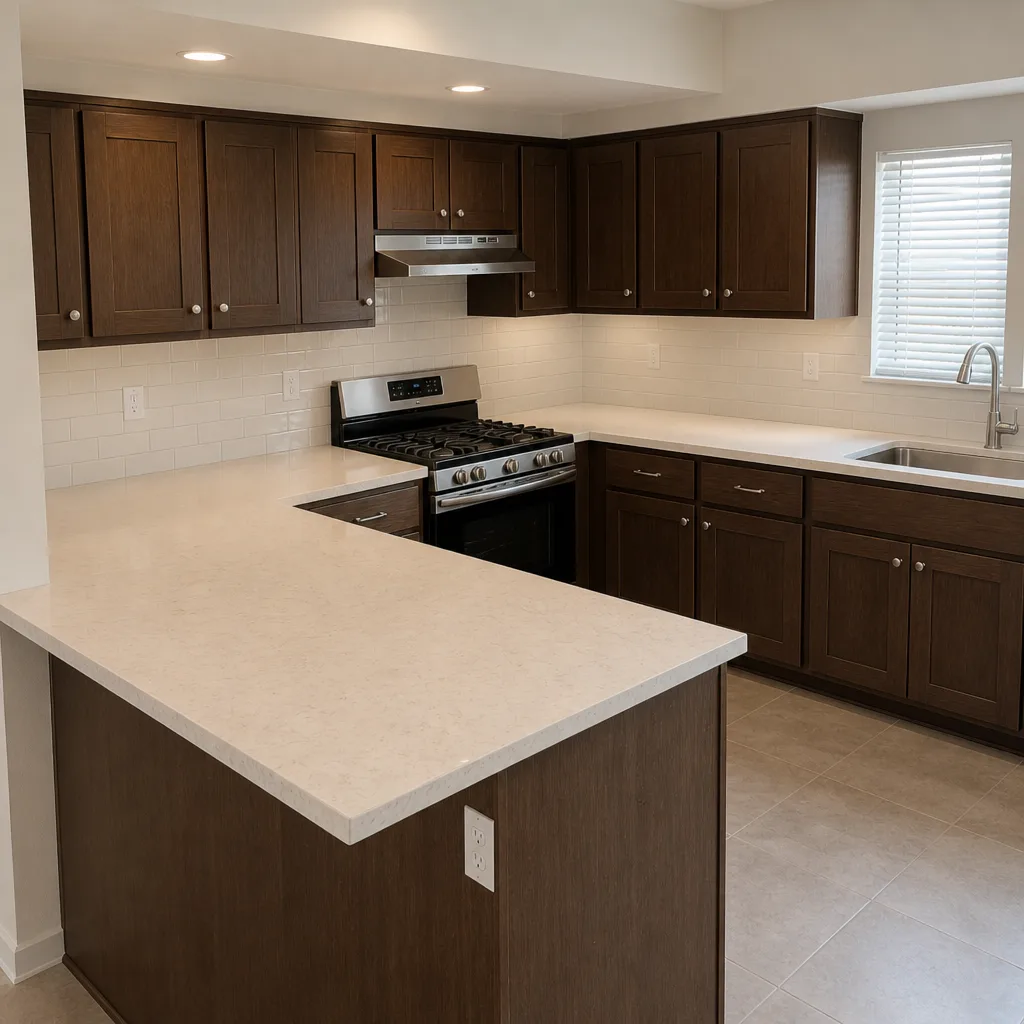
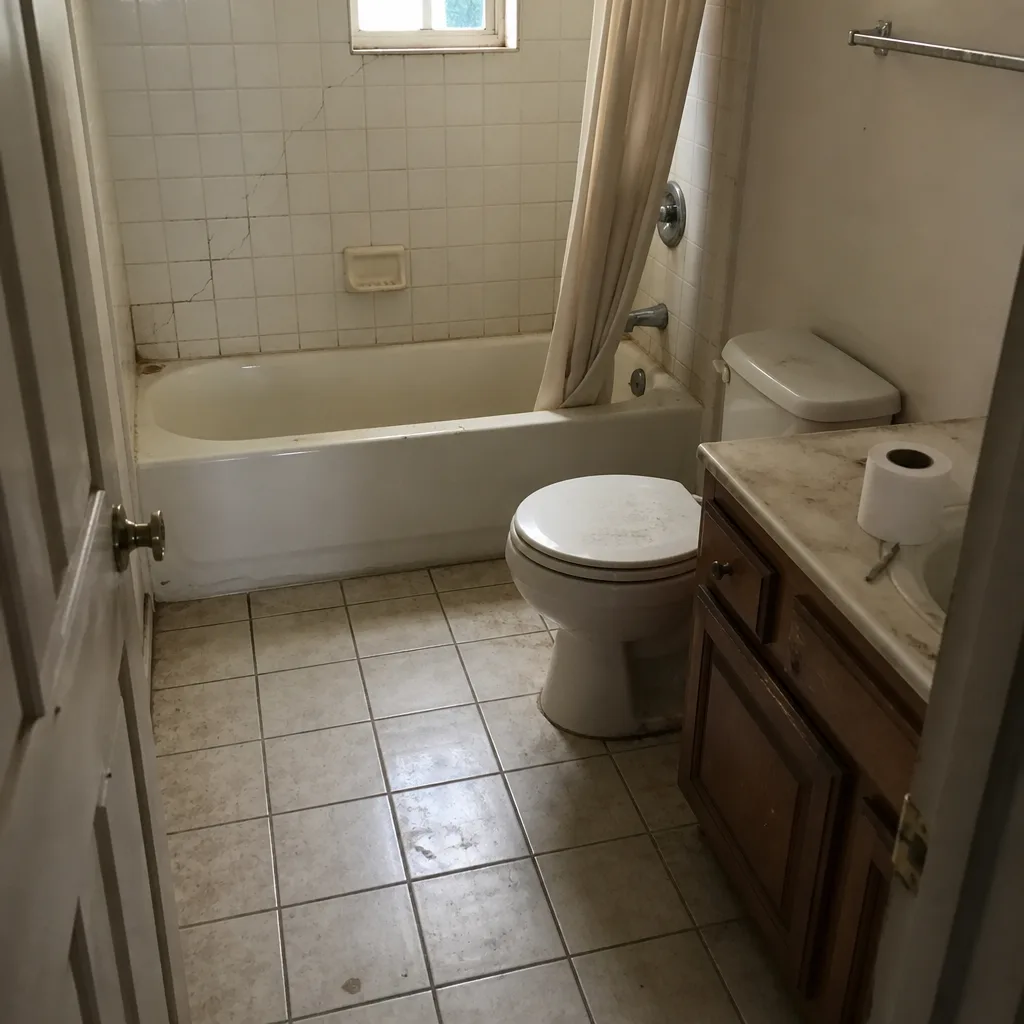
See the difference
 Before
 After
 Before
 After
 Before
 After
Common remodeling problems we troubleshoot in Summerlin homes
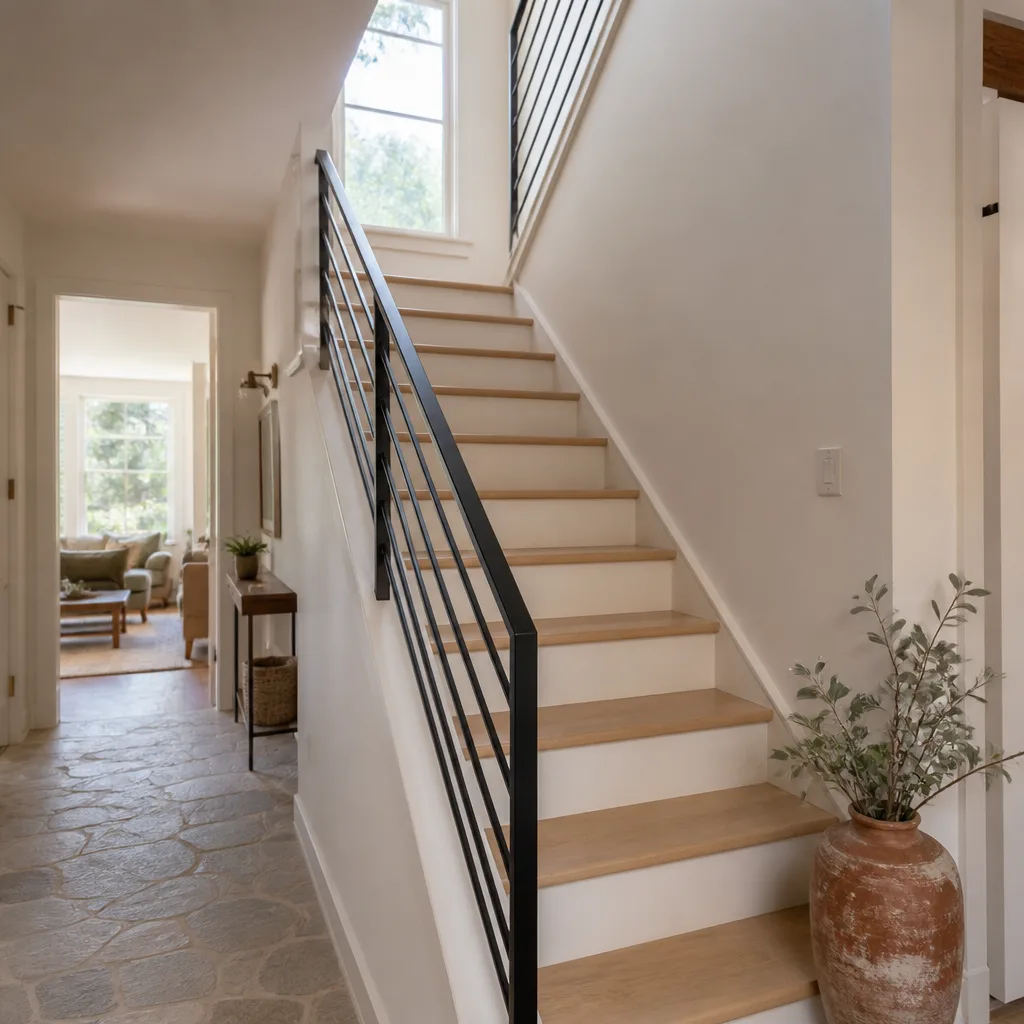
Beyond the five cascade starters, there is a set of recurring problems our crews and independent partners see most often when a Summerlin home comes back to us after a remodel. These are specific enough to be useful, general enough to apply to any project type. Read them as a checklist you can run during any walkthrough.
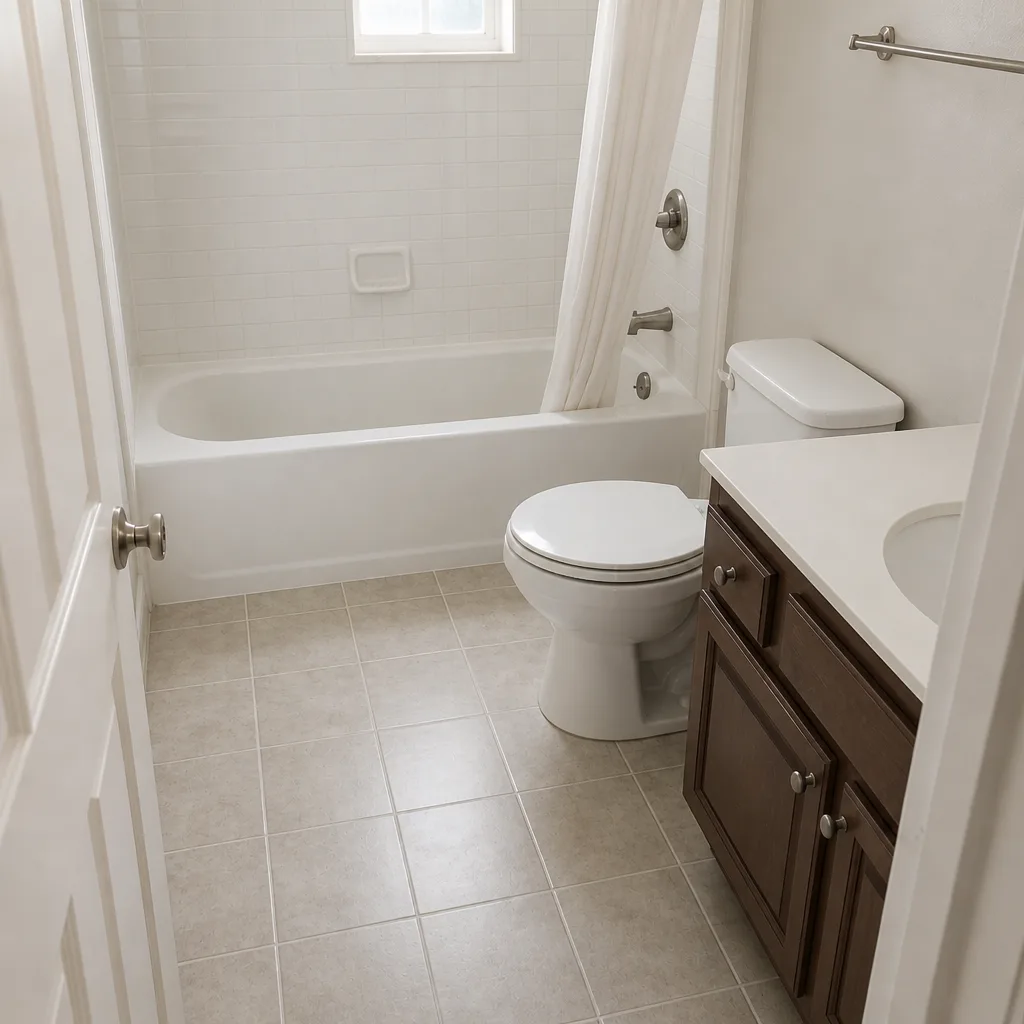
Bathroom side. In a summer-dry climate like Summerlin’s, showers and tiled floors are where most calls come from. Grout hairlines in the first three months are normal. A hairline that widens, a tile that sounds hollow when you tap it, or a shower that pools water toward the wall instead of the drain are the three signals of a substrate problem. If the caulk line at the shower base has pulled away from the wall in the first year, that is usually a movement issue, not a caulk quality issue. The full process for planning a bath remodel so these problems do not start is covered in our guide to Bathroom Remodeling in Summerlin.
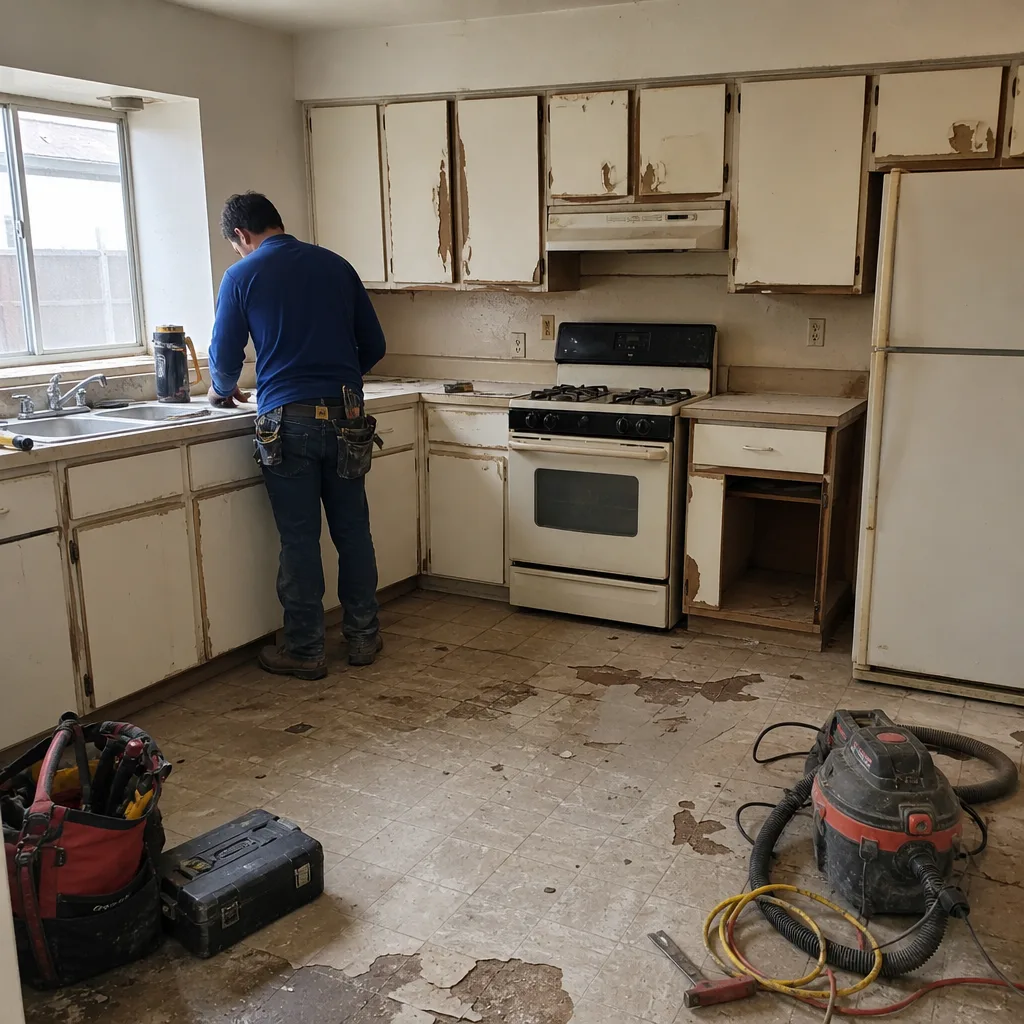
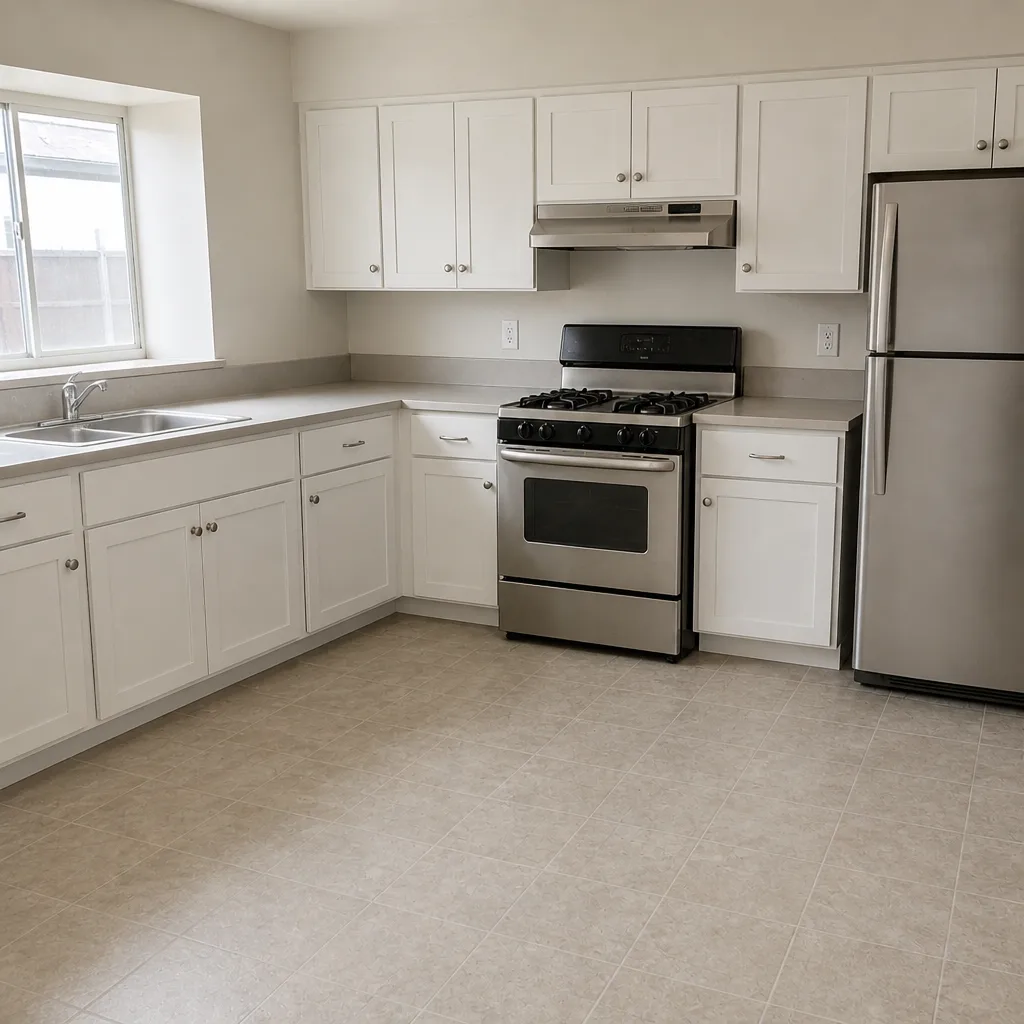
Kitchen side. Cabinet doors that will not close flush are almost always hinge adjustment, not a bad cabinet. A drawer that pulls unevenly is usually a slide that needs a half-turn on the mounting screw. The most useful diagnostic is the corner cabinet: if the door sags only in the summer, it is the wood moving with the season. If it sags year-round, the box was set out of level. Our Kitchen Remodeling in Summerlin projects are built around checking the wall plumb and the subfloor before any cabinet goes up, because those two checks prevent most of the calls we get six months later.
Whole-home side. The most common whole-home troubleshooting call is a plumbing or electrical symptom that only shows up when new appliances are running together. A dryer and a microwave on the same circuit is a classic. A second-story shower that loses pressure when the kitchen sink runs points to a supply line sizing issue. Both are solvable, but only with a written load calculation and a documented plumbing plan. If a project is throwing multiple symptoms at once, that is where a general contractor’s coordination matters most.
When to Call a Professional
Some problems are fine to watch for a week. Others need a trained eye the same day. Call a professional when you see: water where it should not be (a ceiling stain, a soft patch of drywall, a baseboard that darkens after rain); a crack in tile or grout that widens week over week; a breaker that trips more than twice on the same circuit; any smell of gas near a range, water heater, or furnace; or a wall that flexes when you push on it. Do not open walls yourself to investigate. Do not loosen a gas connection to “check for a leak.” These are the parts of troubleshooting where a wrong move does real damage. Elmstead Remodeling Summerlin offers free estimates in Summerlin – a written price before any work starts, every time. Call (844) 797-4877 to schedule yours, and our team will help you trace the chain before anything is repaired.
Frequently Asked Questions
A single cracked floor or wall tile is usually a small repair: often under a few hundred dollars when the tile is a match for what is already on site. If the crack traces to a substrate issue, the repair can run into the low thousands because the fix involves removing the tile and correcting the base underneath. The right first step is a written diagnosis, not a patch. Call (844) 797-4877 for a free estimate in Summerlin – we will tell you which kind of problem you are looking at before you spend anything.
Not without a written change order signed before the work. Our rule is a written price before any work starts, every time, on every project. If demolition uncovers something the price could not have known about, you get a written change order that names the work, the material, and the new price before anyone proceeds. You will never get a bill that grew quietly on the back end. Call (844) 797-4877 for a free estimate.
A standard hall or primary bath typically runs three to five weeks from demolition to final walk-through, depending on tile scope and whether the plumbing layout moves. Add a week if the project uncovers unpermitted prior work behind the wall, which is more common in Summerlin’s older pockets than the plan suggests. The estimate you receive in writing names the schedule up front. Call (844) 797-4877 to schedule a free walkthrough and get a real timeline for your home.
Yes. Permits are pulled and inspections passed on every project that requires them, and the permit number appears in your project file from day one. If a repair turns out to be the result of work that was done without a permit by a previous owner, we will tell you in writing and give you the option to correct it now or note it for later. Call (844) 797-4877 for a free estimate and a clear answer on what your specific project needs.
It covers every completed project for one full year: if it is not done right, we make it right. That includes installation issues with cabinets, tile, fixtures, and finishes, and it covers the change-over from cosmetic to structural if a small issue grows. Manufacturer warranties on KraftMaid, Wellborn, Cambria, Silestone, Kohler, Moen, Grohe, Schluter, and James Hardie products travel with the finished project. Call (844) 797-4877 and we will walk you through exactly how a claim would work on your home.
Turn off the water supply to the affected fixture if you can safely reach the valve, photograph the area with a date stamp, and call us the same day. Do not open the wall to investigate. In Summerlin’s dry air, a small leak can look dry within hours but will still be wet behind the drywall. A live person answers our phone 24/7 – no voicemail, no callback tomorrow. Call (844) 797-4877.
The Bottom Line

Remodeling problems rarely arrive alone. They cascade from five common conditions: slab unevenness, electrical capacity, hard water, unpermitted prior work, and duct conflicts. Catching the first link is worth more than any single repair. Document with dated photos, ask for the cause in writing before the fix, keep cosmetic punch-list items separate from structural warranty claims, and use the 30-day, 90-day, and 11-month checkpoints on any 365-day promise. If you are planning a project anywhere in Summerlin, the time to plan for these problems is before demolition, not after. Our team answers the phone 24/7 at (844) 797-4877 for free estimates.
If your project involves a broader look at how a whole home fits together, our team’s overview of the Elmstead Remodeling Summerlin home covers how we structure a full-house project around the Cedarwell Care Promise: shoe covers and drop cloths on every visit, pet-safe products where there is a choice, quiet tools during family rest hours where possible, a photo of the clean-up before the crew leaves, and a written price before any work starts.
Written by the team at Elmstead Remodeling Summerlin.