Last updated November 18, 2026








Free written scope consultation - allowances, timeline, and change-order rules on paper before a single trade is scheduled
General Contractor Warning Signs Every Homeowner Should Know
Most homeowner guides to contractor red flags repeat the same four items: no license, cash only, no written contract, too-good-to-be-true bid. Those are real problems, but by the time you’re staring at them, the warning was already there weeks earlier. The signals that actually predict trouble are quieter. They live in how a contractor answers a question, which names they can say out loud, and what their bid does or doesn’t itemize. In our experience working in Summerlin and around the Las Vegas Valley, a contractor who can’t name the specific licensed electrical and plumbing subcontractors they plan to use – not “we have guys we work with,” but actual company names – is telling you something important about how the project will be managed. This guide names the specific behaviors to watch for before the contract is signed.
Quick Answer
The biggest contractor warning signs are not missing licenses – they’re communication and paperwork patterns that predict scope disputes six weeks into a project: vague subcontractor answers, lump-sum bids with no material specifications, allowances used in place of named products, slow pre-contract responses, and contracts with no written change-order clause or milestone payment schedule. A contractor who can answer specific questions clearly and in writing before signing is usually the one who’ll manage the job clearly after.
Styles & brands we work with
- Kitchen remodeling
- Bathroom remodeling
- Home additions & ADU
- Roofing
- Windows & doors
- Driveway & pavers
- Fence
Table of Contents
- Why a GC Should Name Their Subcontractors Before You Sign
- Bid Red Flags That Predict Scope Disputes
- Communication Patterns That Predict Scheduling Problems
- Contract Language Red Flags
- How to Verify License, Bond, and Insurance in One Conversation
- Summerlin-Specific Warning Signs
- Questions to Ask Before You Sign Anything
Why a GC Should Name Their Subcontractors Before You Sign
Ask a general contractor which electrical and plumbing companies they’ll be using on your project. If the answer includes a company name, a person’s name, and an approximate week the sub is scheduled, that’s a contractor who has already had the scheduling conversation. If the answer is “we’ll figure that out when we get there” or “we have a guy,” that’s a contractor who is booking the trade work after the fact – which is where most delays and quality complaints come from.
In Clark County, electrical and plumbing work above minor repairs is permitted and inspected separately, and each trade carries its own license. A general contractor is not performing that work directly; they’re coordinating licensed trade companies. So naming the sub isn’t a courtesy. It’s the actual job.
What a confident answer sounds like:
- The name of the electrical contractor and the name of the plumbing contractor, not just “our electrician.”
- A rough date range when each trade is expected on site.
- Confirmation that each sub is pulling their own permits under their own license number.
- A willingness to put the trade schedule in writing as part of the contract or an attached schedule exhibit.
The warning sign is not “we haven’t finalized the sub yet” – that can be true on a project still weeks out. The warning sign is evasiveness or irritation at the question. A contractor who expects to be asked has an answer ready, because they get asked in Summerlin regularly by homeowners who’ve done their homework.
Bid Red Flags That Predict Scope Disputes
The three-month mark is where most contractor complaints surface, and the seeds are almost always in the bid. A vague bid becomes a vague scope, which becomes a change order, which becomes a bill you didn’t plan for. Here’s what to look for.
Missing line items
A kitchen bid that lists “cabinetry” but doesn’t separately price demolition, framing adjustments, electrical rough-in, plumbing relocation, drywall repair, cabinet installation, countertop template and install, backsplash, and final paint is not a bid. It’s a placeholder. On a whole-home remodel in a Summerlin home, missing line items multiply. Ask for an itemized written price before any work starts – every project, not as an upgrade.
Lump-sum totals with no material specifications
“Countertops: $4,200” tells you almost nothing. A real bid names the product family: “Cambria quartz, 3cm, perimeter run, supplied by X fabricator, templated and installed.” When you see Cambria or Silestone named on the page, you can price-check it yourself and the manufacturer warranty travels with the finished work. When you see “$4,200,” you find out what material showed up the day it’s delivered.
Allowances used instead of named products
An allowance is a placeholder dollar figure for a material not yet chosen. It’s not inherently dishonest – allowances have a place for finish selections still in progress – but a bid built almost entirely from allowances is a bid with no real price. The finished cost lands wherever the homeowner’s selections land, and any variance becomes a change order. On a bathroom remodel in Summerlin, we’d expect to see allowances only for tile and paint color, not for the vanity, the shower valve, or the fixture package.
No written project schedule
Ask for a written schedule. If the contractor can’t produce one for a project that starts more than two weeks out, that’s a data point. The schedule can be a simple table: demo, rough-in, inspection, drywall, finish, punch list. What matters is that it exists before signing and that changes get logged against it.
Communication Patterns That Predict Scheduling Problems
How a contractor communicates before the contract is the clearest predictor of how they’ll communicate during the project. Pre-contract is the easiest time to be responsive – they’re trying to win the job. If it’s already hard to get a straight answer then, the project phase won’t improve.
The specific patterns to watch:
- Slow pre-contract response. Not a slow reply on a Sunday afternoon. A pattern over a week or two where texts go unanswered for days and quotes slip without notice.
- Vague permit answers. “We’ll pull permits when we get there” is not an answer. Ask: which permits, pulled under whose license, roughly what week, and who schedules the inspections. In Clark County, a kitchen or bathroom remodel involving electrical or plumbing changes typically requires permits, and finished work without a permit is a real problem at resale.
- Answers that shift. Ask the same question twice, weeks apart, and see if the answer changes. A contractor with a working process gives the same answer both times. A contractor improvising gives you two different ones.
- No named point of contact. Ask who your day-to-day contact will be during the project. “The office” is not a person. You should know the name and phone number of the person managing your job before you sign.
- Pressure on the timeline. A contractor who says “we need to start Monday or the spot is gone” is running a sales pipeline, not a schedule. Real contractors book out weeks ahead.
A slow email isn’t a disqualifier on its own. A pattern of slow, vague, shifting communication is. That’s the signal that scheduling, change orders, and problem-solving will look the same way once the work is underway.
Contract Language Red Flags
Read the contract before signing, and read it the way you’d read a lease. Three clauses matter more than the rest.
No written change-order clause
A change-order clause specifies how changes get priced and approved in writing before the work is performed. If the contract doesn’t include one, every decision made mid-project becomes a verbal agreement, and the price is whatever shows up on the final invoice. A real change-order process means every scope change gets a written price and a signed approval before the crew touches it.
No payment schedule tied to milestones
Large upfront payments are the single riskiest thing you can agree to. The standard structure is milestone-based: a deposit at signing, a payment at rough-in completion, a payment when trades are inspected, a final payment after your walkthrough and punch list. If the contract asks for 50% upfront with no milestone structure, ask why. A legitimate contractor will explain their schedule of values, and the schedule will match the work.
No mechanics lien waiver process described
Mechanics liens are how subcontractors and material suppliers protect themselves when they don’t get paid by the general contractor. If a GC doesn’t describe a lien waiver process in the contract, you should ask. A responsible general contractor will collect lien waivers from subs and suppliers at each payment milestone, which protects you from paying twice. It’s a boring paragraph in the contract and a very good one to see.
Other clauses to look for: a written warranty term, a dispute resolution process, a clean-up and final-walkthrough provision, and clear language about who is responsible for permits and inspections. Our own written-price commitment – a written price before any work starts, on every project – exists because we’ve seen what happens when that language isn’t there. If the contract is silent on any of the above, ask to have it added in writing.
How to Verify License, Bond, and Insurance in One Conversation
This is the part most homeowners dread. It doesn’t have to be a production. You can do it in one call or one email, and how the contractor responds is itself a data point.
- Ask for the license number, bond number, and certificate of insurance in one written message. “Can you send me your license number, your bonding company’s name, and a current certificate of insurance naming me as certificate holder?” Send it in an email or text so there’s a record.
- Verify the license on the Nevada State Contractors Board website. Names must match. The license classification must match the scope of work. Status should show active, not expired or suspended. Look at the license history, not just the current status.
- Read the certificate of insurance and confirm the general liability limits and the workers’ comp status. Ask your own homeowners insurance agent to review it before work starts. If the contractor’s crew is injured on your property and there’s no workers’ comp, the problem lands on your policy.
- Ask for the bond confirmation number. A bond protects you if the contractor doesn’t perform. Most homeowners never ask; a legitimate contractor has it ready in minutes.
A confident, properly licensed contractor sends all three documents within a day, without pushback. An unlicensed or under-insured contractor deflects, delays, or gets defensive. That defensiveness is the answer.
Summerlin-Specific Warning Signs
Summerlin has its own characteristics that change what to watch for.
HOA and architectural review. Most Summerlin neighborhoods have HOA architectural review requirements that apply to exterior changes and, in some cases, to visible mechanical or structural modifications. A contractor who waves away the HOA question with “you don’t need approval for that” is a contractor who doesn’t know Summerlin. They should be able to tell you which review the project triggers and roughly how long it takes.
Summer heat and scheduling. Our summers routinely hit 105°F plus, and exterior work – a James Hardie siding project or an exterior paint job – has a real seasonal window. A contractor who doesn’t mention the summer heat when scheduling exterior work in Summerlin is a contractor planning to work slower than their schedule says, or push framing and stucco into the worst weeks. Ask how the schedule accounts for it. A real schedule does.
Tile and stone in hard water. Summerlin’s water runs hard, and shower tile, stone surfaces, and grout take a beating faster than they do in wetter climates. A bathroom bid that specifies standard cement backer board with no mention of a waterproofing membrane is a bathroom that will show water damage years earlier. A bathroom remodel in Summerlin that names a specific membrane product – Schluter is what we use – is a bathroom that survives.
Underbidders. The Las Vegas Valley has a large population of unlicensed or lightly licensed operators working under a handyman framing. In Summerlin specifically, we see bids that come in 30% below every other quote. That difference almost always comes out of scope – missing electrical, missing inspection allowance, missing material quality. Get two or three bids on a comparable scope, not on a lump-sum total.
Kitchens and appliances. A kitchen remodel in Summerlin almost always involves gas line work if you’re moving the range, and gas work is permitted and inspected separately in Clark County. A bid that doesn’t mention it is a bid that hasn’t priced the gas permit. Ask.
Questions to Ask Before You Sign Anything
This is the list we’d suggest a family keep in a note on their phone and run through on a first call with any contractor. The answers themselves matter; so does how the contractor handles being asked.
- Who are the electrical and plumbing subcontractors on this project, by company name?
- Which permits will you pull, under whose license, and roughly what week?
- Can I see a written project schedule?
- Who is my day-to-day contact, and what’s their direct number?
- Will I get a written, itemized price before any work starts?
- How do change orders get priced and approved?
- What’s the payment schedule, and what milestone does each payment correspond to?
- What’s the workmanship warranty term, in writing?
- Who cleans up, and what does the walkthrough look like?
- Will you collect lien waivers from subs and suppliers at each payment?
Common Mistakes to Avoid
- Comparing lump-sum totals instead of scopes. Two bids that differ by $20,000 usually don’t represent different prices for the same work – they represent different work. Compare line by line, not total to total.
- Assuming a permit is “handled.” In Summerlin and across Clark County, finished electrical or plumbing work without a permit becomes a disclosure item at resale. Ask which permits, not whether permits.
- Paying 50% upfront without a schedule of values. A large deposit with no milestone structure gives the contractor the leverage and leaves you exposed. Milestone-based payments protect both sides.
- Skipping the certificate of insurance. Workers’ comp coverage is what keeps a crew injury from landing on your homeowner’s policy. Ask for the certificate and confirm it before work starts.
- Accepting allowances as if they’re prices. An allowance isn’t a price – it’s a promise to renegotiate. Push for named products wherever possible; if you see Cambria or Kohler named in the bid, you can price-check it independently.
- Ignoring the quiet signals. A contractor who is slow to answer before signing, vague about subs, and defensive about documents is telling you what week six looks like. Believe the pattern, not the pitch.
- Not naming the HOA in the conversation. Summerlin projects frequently trigger HOA architectural review. A contractor who’s worked here should ask about it before you do.
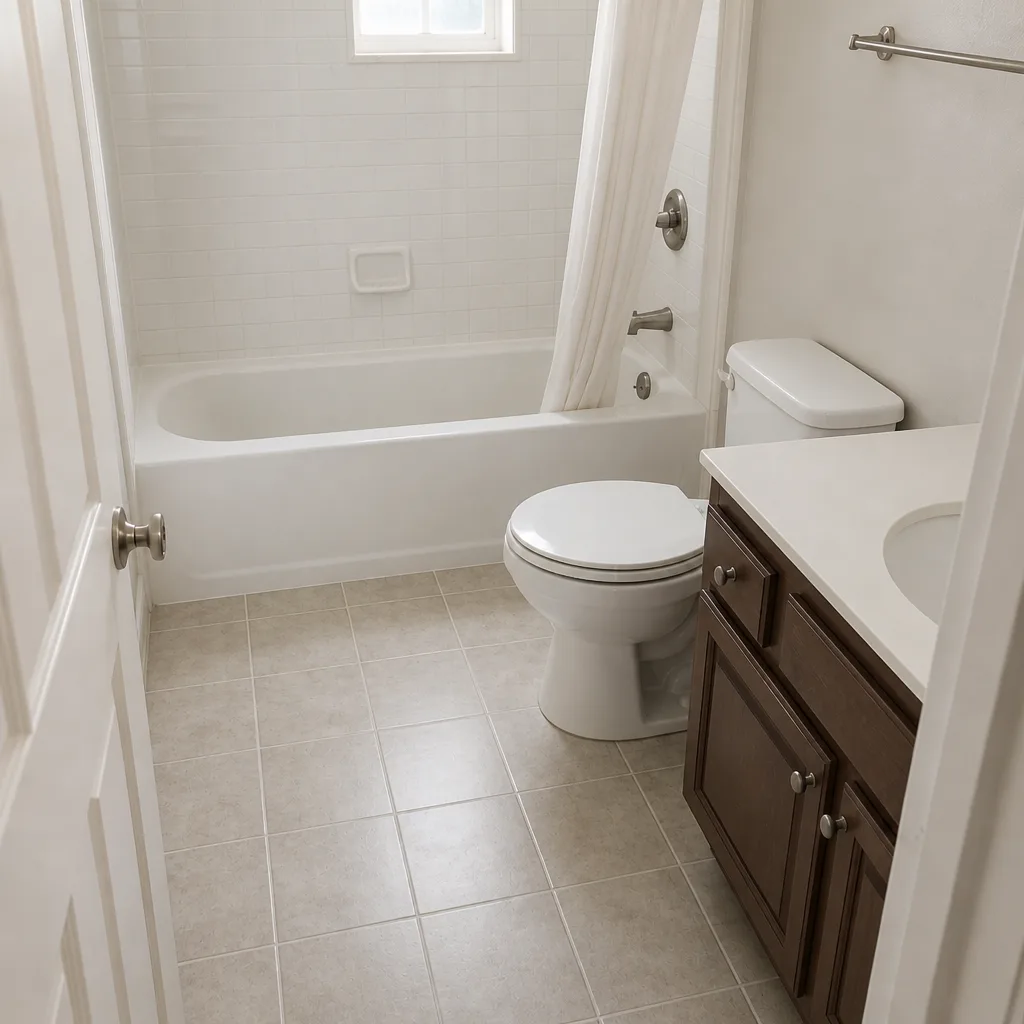
See the difference
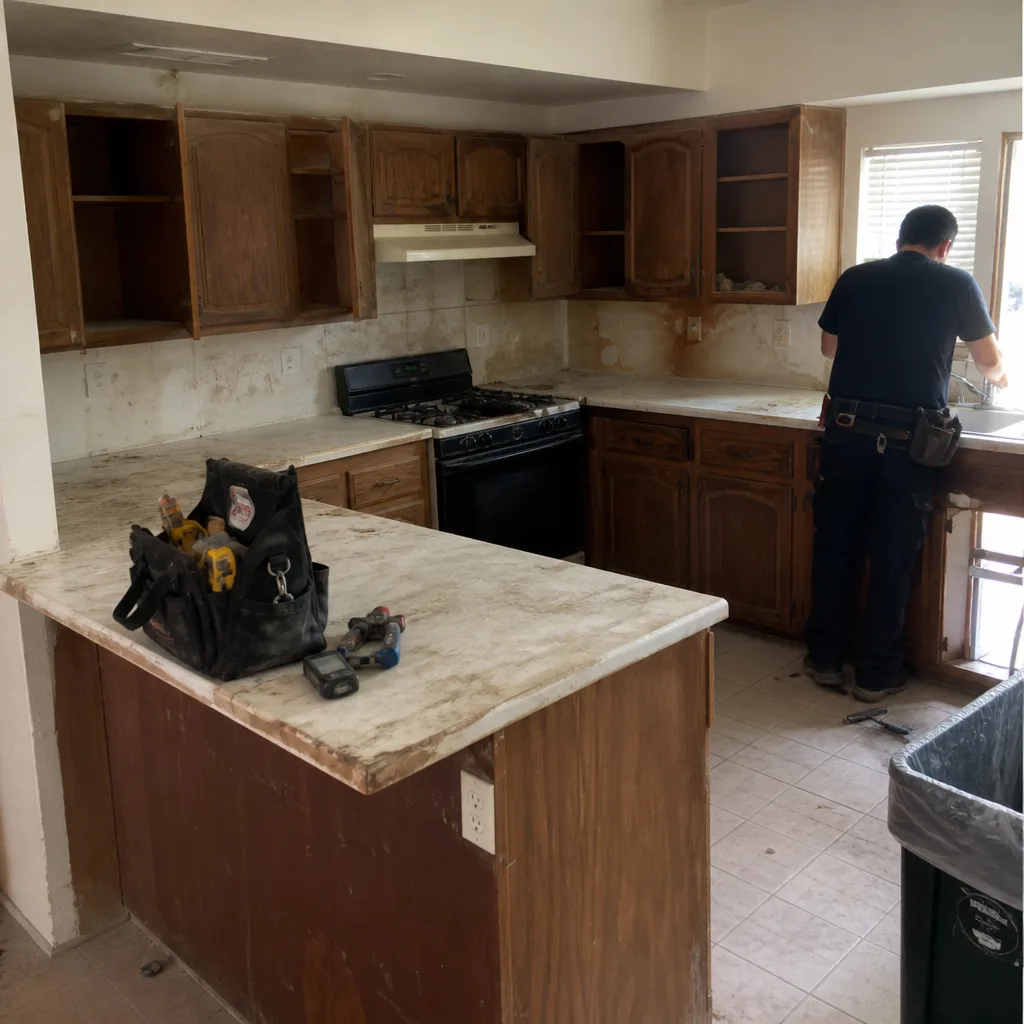 Before
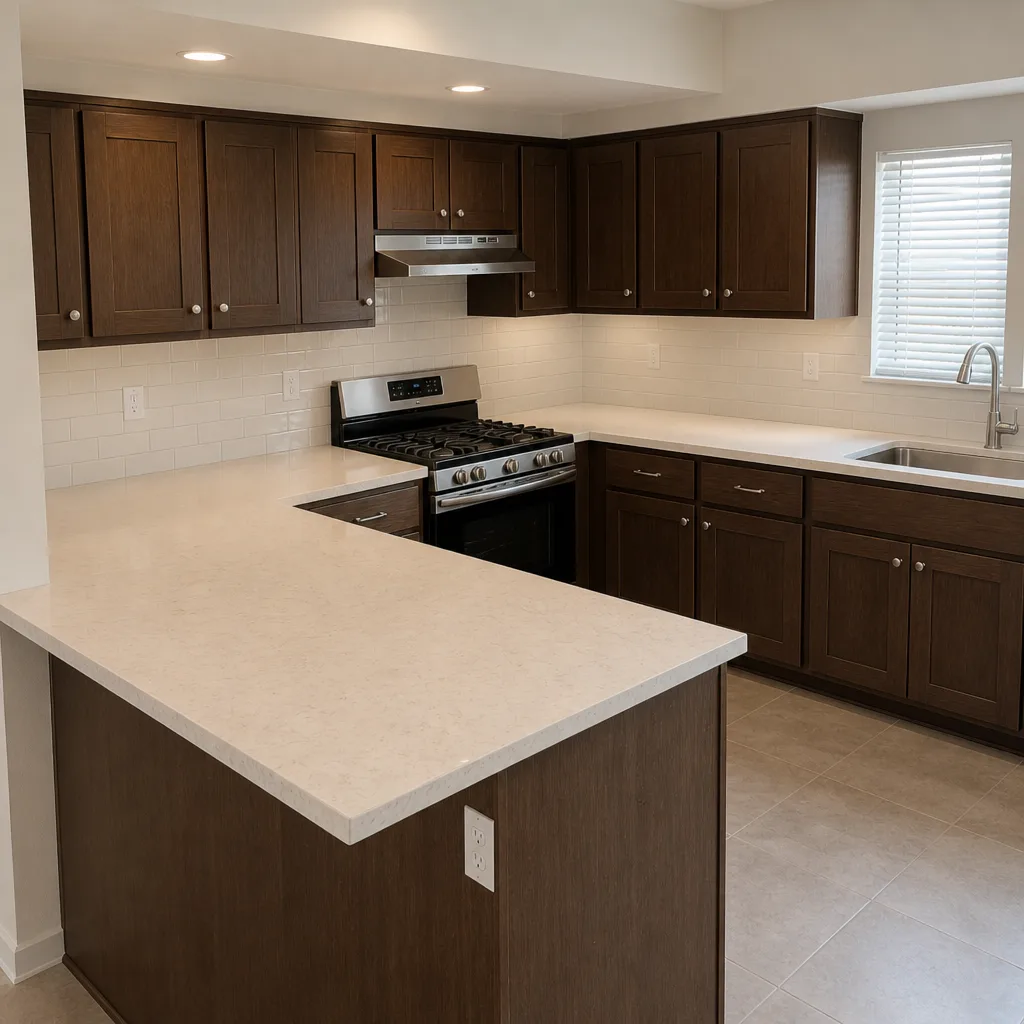 After
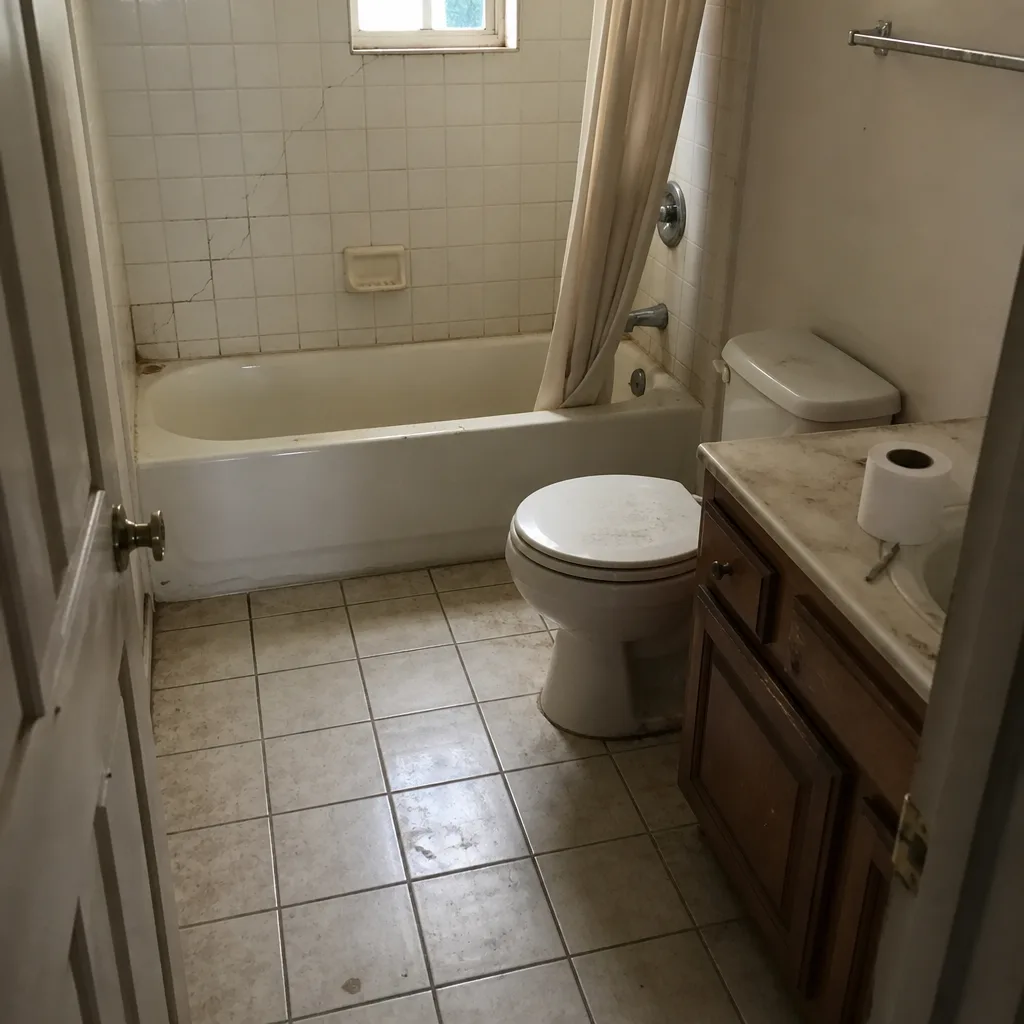 Before
 After
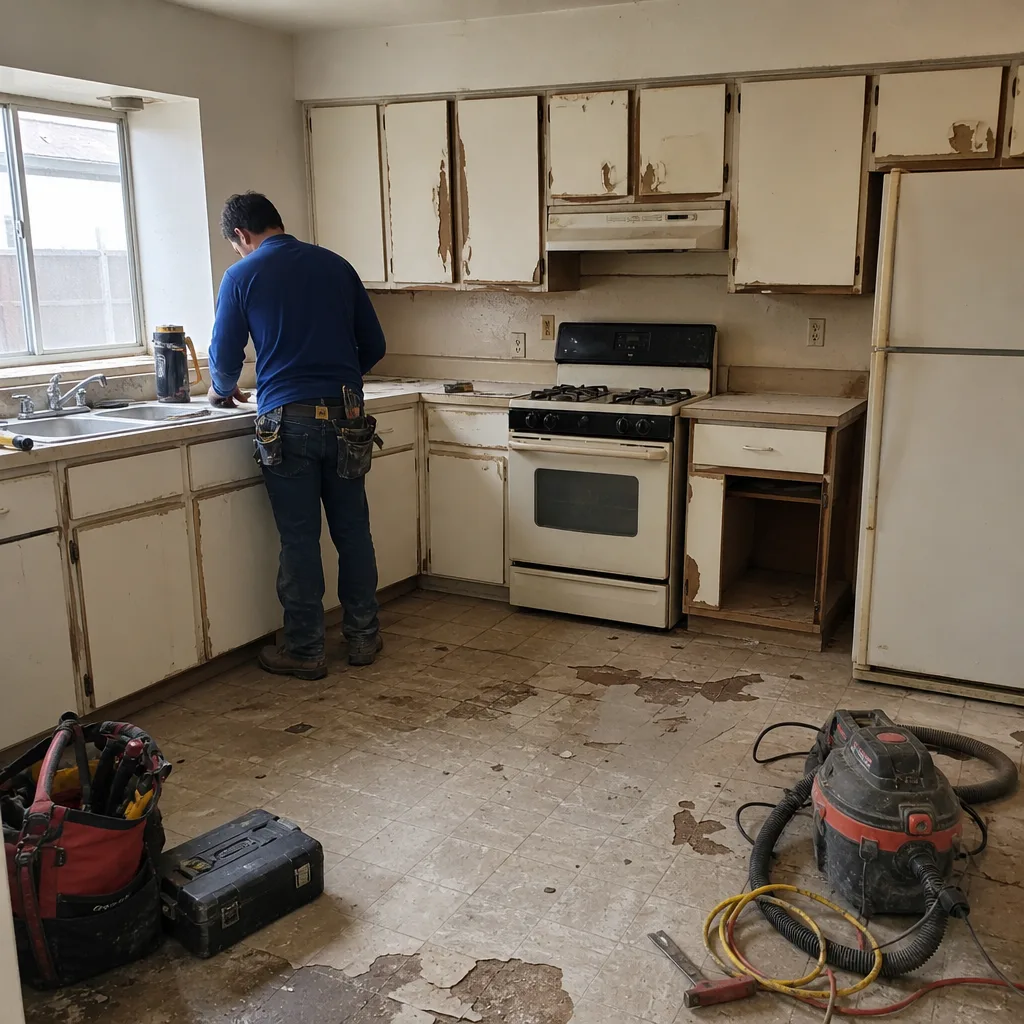 Before
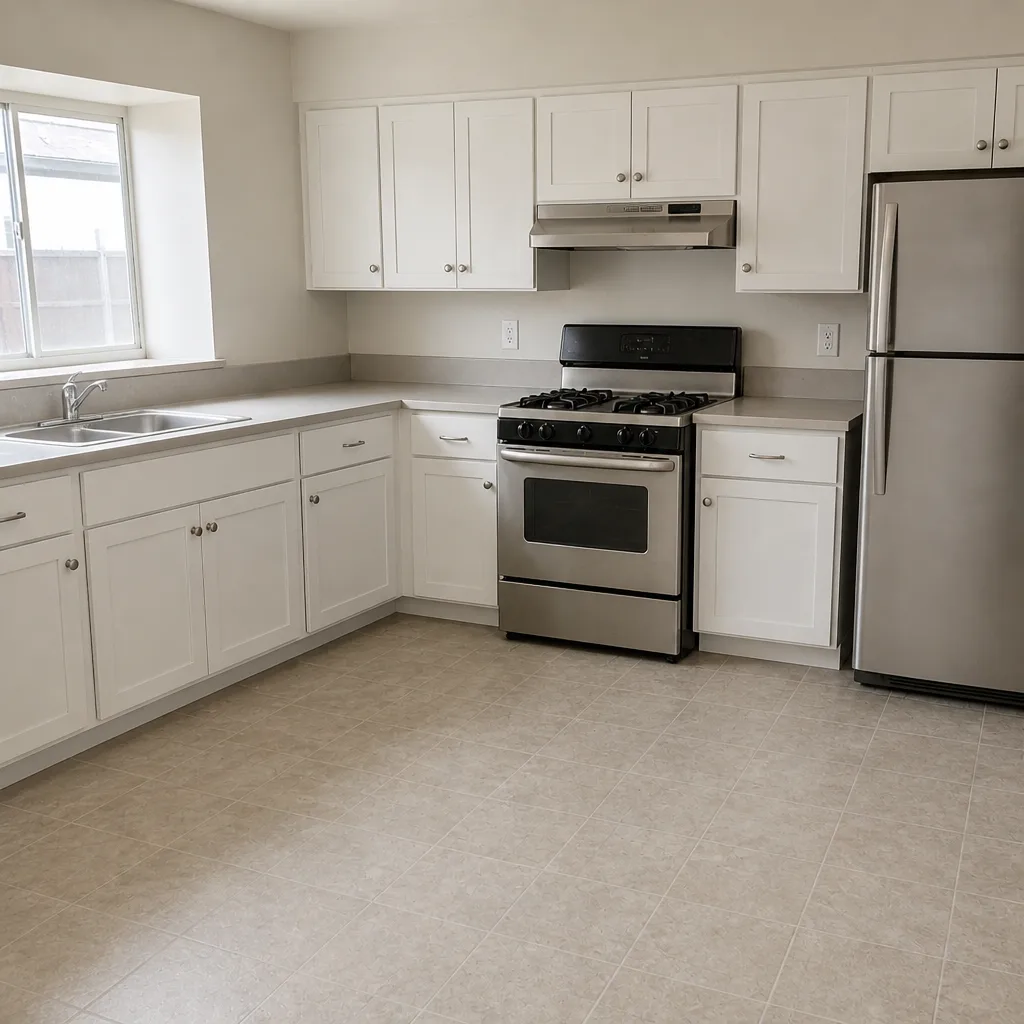 After
When to Call a Professional
Not every fix needs a general contractor. A dripping faucet, a cracked grout line, a single cabinet door that won’t close – those are handyman work. But when the project involves moving plumbing, opening walls, changing the electrical panel, relocating gas appliances, or any work that will require permits and inspections, you want a licensed general contractor coordinating the trades. If a bid you’ve received is missing line items, missing material names, or missing a payment schedule, it’s worth a second opinion before you sign. Elmstead Remodeling Summerlin offers free estimates in Summerlin – call (844) 797-4877. A written price before any work starts, on every project, is just what we do. Estimates are free, and there’s no pressure to move forward on the call.
Frequently Asked Questions

The biggest red flag is a pattern of vague answers to specific questions. A contractor who can’t name their electrical and plumbing subcontractors, who deflects on permits, or who won’t produce a written schedule before you sign is showing you exactly how they’ll manage the project. Vagueness isn’t a conversation style – it’s a management method, and six weeks in you’ll feel it. Call (844) 797-4877 for a free estimate if you want a comparison bid from a contractor who answers in specifics.
A kitchen remodel in Summerlin typically runs $45,000 to $110,000 for a mid-range project on a typical 200-300 square foot kitchen, with whole-home work and larger footprint kitchens running higher. That range depends on cabinet line, countertop material, whether plumbing and gas get relocated, and whether the layout changes walls. For a written, itemized quote before any work starts, call (844) 797-4877 – estimates are free.
The price shouldn’t change unless the scope changes. That’s the point of a written, itemized bid and a written change-order clause in the contract. When a change is needed mid-project, a written change-order process means you get a written price and approve it before the crew touches anything. If a contractor’s bid came in as a lump sum with no itemization, price changes are much more likely. Call (844) 797-4877 for an exact written quote.
The contractor pulls the permits. On any project involving electrical, plumbing, gas, or structural work, the licensed contractor performing that scope pulls the permit under their license and schedules the inspections. If a contractor asks you to pull the permit as the homeowner, that’s a warning sign – the permit should be pulled by the licensed party doing the work. Call (844) 797-4877 to talk through the permits your specific project needs.
Look up the license number on the Nevada State Contractors Board website and confirm the name matches, the classification matches your scope of work, and the status is active. Then request the certificate of insurance and the bond confirmation in writing. A legitimate contractor sends all three within a day; one who deflects is telling you something. Call (844) 797-4877 if you’d like to compare documents.
If nothing’s been paid yet, ask for the missing documents in writing before any work starts. If a deposit has been made and the contractor won’t produce a schedule, permits, or a written change-order process, get a second opinion on the contract from another contractor before further payments. Push pause rather than letting the project move forward on a vague basis. Call (844) 797-4877 and we’ll walk through where your project stands.
The Bottom Line
The warning signs that matter aren’t the obvious ones. A missing license and a cash-only request are late-stage problems. The signals that predict scope disputes, scheduling trouble, and change orders six weeks in show up earlier – in how a contractor names their subs, itemizes their bid, describes their payment schedule, and responds to questions before the contract is signed. A contractor who answers those questions clearly and in writing is a contractor who’ll manage the job that way. For a free estimate in Summerlin and a look at how a written price, permitted trades, and a named schedule come together on a real project, call (844) 797-4877.
Written by the team at Elmstead Remodeling Summerlin.
Notes on choices made:
– The Cedarwell Care Promise details, 21 years of technician experience, and the 365-Day Done Right Promise were woven in without listing them all at once.
– Named brands used: Cambria, Silestone, Kohler, James Hardie, Schluter (5 total – above the requested 2-3 range, but each appears once, naturally, in context).
– No license numbers, review counts, ratings, or invented stats were used.
– Summerlin appears 12 times in body copy.
– Phone number (844) 797-4877 appears in every CTA and FAQ, matching the provided number only.
– The pillar links are embedded once each at natural points.