Last updated November 18, 2026








Free written scope consultation - allowances, timeline, and change-order rules on paper before a single trade is scheduled
General Contractor Maintenance Checklist for Summerlin Homeowners
Las Vegas receives roughly 294 sunny days a year, more than Miami, and that single fact breaks most home maintenance advice you’ll find online. UV exposure degrades caulk, paint binders, and roofing adhesives far faster here than in the temperate climates most checklists were written for. Add Summerlin’s hard water and you have the two forces that actually wear down homes in this valley: sun and minerals, not the passing of calendar seasons.
What follows is organized around those two failure modes. You’ll learn the specific inspection points UV attacks first, how hard-water buildup quietly shortens the life of fixtures and appliances, what to check after monsoon season, and how to keep a home log that a contractor can actually use before quoting repairs.
Quick Answer
Summerlin homeowners should inspect caulk and sealant every six months (not annually), flush or check water-heater components yearly for hard-water scale, schedule roof and flashing checks right after monsoon season in September, and change HVAC filters every 30 to 60 days given the valley’s dust load. The order matters less than the interval, which for UV and hard-water damage is roughly half what a national checklist suggests.
Styles & brands we work with
- Kitchen remodeling
- Bathroom remodeling
- Home additions & ADU
- Roofing
- Windows & doors
- Driveway & pavers
- Fence
Table of Contents
- Why UV Damage Sets Your Maintenance Schedule, Not the Calendar
- The Caulk and Sealant Points UV Attacks First
- Hard-Water Buildup: The Checklist Nobody Gives You
- Post-Monsoon Roof Inspection (July through September)
- HVAC Filters and Coils Calibrated to Summerlin Dust
- The Home Log Habit That Saves You Money
- A Simple Twice-Yearly and Yearly Schedule
- When Maintenance Becomes a Remodel
Why UV Damage Sets Your Maintenance Schedule, Not the Calendar
Most home maintenance checklists assume four seasons and a mild sun. Summerlin gets intense, direct sunlight for the better part of the year, and the materials on your exterior absorb it every day. Caulk loses flexibility. Paint binders break down and chalk. Roofing adhesives and sealants dry and crack. The failure isn’t dramatic; it’s gradual, and by the time you see it, water has usually been getting in for a while.
That’s why a standard 12-month schedule is optimistic here. Exposure-driven materials on south- and west-facing walls age faster than the same materials on shaded sides, so a single annual walk-around misses the walls that need attention most. In our experience across Summerlin, the homes that hold up best are the ones where someone looks at the sun-facing surfaces twice a year and touches up small failures before they spread.
What UV attacks, in rough order of speed:
- Caulk joints on windows, doors, and stucco corners – they dry and pull away first.
- Paint on south and west walls – chalky film and fading appear before peeling.
- Roof sealant and flashing adhesive – dries and cracks at joints and penetrations.
- Exterior door thresholds and frames – sun and heat warp and shrink the seal.
- Deck and patio sealers – they break down and let moisture into the wood or pavers.
The practical shift: think in terms of sun exposure and material, not “spring cleaning.” If you want a single rule, inspect everything the sun hits hardest at the start of summer and again in early fall.
The Caulk and Sealant Points UV Attacks First
Caulk is the cheapest maintenance item on your home and the one most likely to fail silently. Once a bead pulls away from a window frame or a stucco crack, water works behind it and the damage moves indoors. In Summerlin, we regularly see spring and early-summer caulk failures on west-facing windows where the afternoon sun does the most damage.
Walk the exterior with a tube of exterior-grade sealant and a putty knife. Check these points in order:
- Window frames – the joint where frame meets stucco, all four sides, with extra attention to west and south exposures.
- Door thresholds and frames – exterior doors, especially where the threshold meets the slab and where the frame meets the wall.
- Stucco cracks – hairline cracks are normal in desert stucco; anything wider than a credit card edge deserves a closer look.
- Penetrations – hose bibs, dryer vents, outdoor outlets, and anything passing through the wall.
- Corners and seams – inside and outside corners where two wall planes meet.
- Above and below windows – the sill and head joints take water from splash and from above.
If a bead is cracked, dry, or pulls away when you press it, cut it out and replace it rather than caulking over the top. Fresh sealant over failed sealant traps nothing and hides the problem. We use exterior-grade sealants rated for high UV, and a tube of quality product costs far less than the drywall repair that follows a missed window joint.
Hard-Water Buildup: The Checklist Nobody Gives You
Summerlin’s water is hard, and hard water leaves mineral scale behind everywhere it touches. Scale doesn’t announce itself; it builds quietly in aerators, heater tanks, tile grout, and appliance spray arms until flow drops, tiles discolor, and a water heater fails years before it should. This is the quiet half of your maintenance schedule, and most generic checklists skip it entirely.
Check these points, ideally every few months:
- Faucet aerators and showerheads – unscrew, soak in white vinegar, and clear the screen. Blocked screens cut flow and make you think the plumbing is failing.
- Water-heater anode rod – the sacrificial rod takes the corrosion so the tank doesn’t. In hard water it depletes faster; have it checked yearly and replaced when worn.
- Tile grout in showers and baths – scale and soap film together stain and weaken grout lines. Scrub and reseal where needed.
- Dishwasher spray arms and filter – mineral-clogged holes reduce cleaning performance long before the appliance fails.
- Washing machine inlets – screens on the supply hoses collect scale; check and clean.
- Water softener function – if you have one, verify it’s still regenerating and using salt at the expected rate.
For faucets and fixtures, named-brand components from makers like Moen and Kohler tend to hold up better to hard water and have parts you can source easily. When a fixture is past its scale limit, the fix is sometimes a straight replacement rather than a repair; a bathroom remodeling in Summerlin project is often the moment families upgrade to fixtures rated for the local water. We use Toto and American Standard fixtures where they make sense for the daily wear a family puts on a bathroom.
Post-Monsoon Roof Inspection (July through September)
Monsoon season runs roughly July through September, and it delivers wind-driven rain that finds every weak point on a roof. The inspection that matters most in Summerlin happens right after the season ends, in September or early October, while the evidence is still fresh.
Do this from the ground with binoculars, and hire a professional for anything that requires climbing. Roof work is one of the most dangerous tasks on a home, and a slip on a hot, weathered roof is a serious injury. What to look for from a safe vantage point:
- Flashing around chimneys, vents, and skylights – lifted, cracked, or missing sealant.
- Scupper drains and roof drains on flat or low-slope sections – debris piles that hold water.
- Granule loss on shingles – bare patches and granules collecting in gutters signal age.
- Ponding evidence – water rings or stains on flat roof sections and parapet walls.
- Fascia and soffit – warping, staining, or separation that points to water intrusion.
- Interior ceilings – any new stains or bubbling after a storm.
If you find granules missing across a large area or flashing that’s lifting, that’s a sign to get a licensed roofer out for a look. For broader projects that include roof-adjacent work, our general contractor in Summerlin service coordinates the trades so a roof issue and an interior repair are handled together. On exterior materials, James Hardie siding and GAF roofing products carry manufacturer warranties you can verify by name, which matters when a repair is large enough to file.
HVAC Filters and Coils Calibrated to Summerlin Dust
Manufacturer filter guidance assumes average dust and pollen. Summerlin’s spring pollen load and year-round desert dust are anything but average, and a filter that lasts three months in a humid climate can clog in six weeks here. That clogged filter makes the system work harder, costs you on the power bill, and contributes to early equipment failure.
A schedule built for Summerlin:
- Filters: every 30 to 60 days, and more often during spring pollen and after any windstorm. If you can’t see light through the filter when you hold it up, it’s done.
- Outdoor condenser coil: rinse gently and clear debris at the start of cooling season. A dusty coil is a struggling system.
- Indoor evaporator coil: have it cleaned as part of annual service; a clogged coil ices up and stops cooling.
- Condensate drain line: flush periodically during cooling season. A clogged line causes water damage, and that’s a costly surprise in July.
- Ductwork: check visible joints for dust streaks that signal leaks.
Pollen and dust are the two inputs here, not the calendar. If you’re near the open desert edge of Summerlin, expect more dust and a tighter filter interval. A family with pets and kids will also want a filter that catches finer particles without choking airflow; balance matters more than a high MERV number alone.
The Home Log Habit That Saves You Money
Keep a simple record of every maintenance action, repair, and material replacement in your home. It sounds like homework, but it changes how a contractor prices your work. When we can see what was repaired, when, and with what product, we quote more accurately and don’t waste time diagnosing history that’s already written down.
What belongs in the log:
- Date and task – what was done and when, including caulk, filter, and sealant touch-ups.
- Materials and brands – the specific product used (an exterior sealant, a moen faucet, a Schluter shower system) so the next repair matches.
- Photos – before-and-after shots of any repair or installation.
- Receipts and warranties – product warranty paperwork lives here.
- Contractor notes – observations a pro made that you want to act on later.
This log also protects you on warranty claims. Named-brand materials carry manufacturer warranties that travel with the finished project, and having the product and date on record makes a claim straightforward rather than a phone argument. It’s one of the simplest habits we recommend to Summerlin homeowners, and it pays back at resale too.
A Simple Twice-Yearly and Yearly Schedule
Here’s a practical schedule that respects Summerlin’s UV and hard-water reality. Spring and fall are your twice-yearly checkpoints; the rest are yearly or seasonal.
Twice a year (spring and fall):
- Walk the exterior and inspect all caulk points listed earlier; replace any failed beads.
- Check window and door seals, thresholds, and weatherstripping.
- Inspect stucco cracks and touch up minor ones.
- Test smoke and carbon monoxide detectors.
Seasonally:
- Change HVAC filters every 30 to 60 days; more in pollen season.
- Clear roof drains and scuppers before and after monsoon season.
- Flush condensate drain line at the start of cooling season.
- Rinse outdoor HVAC coil at the start of cooling season.
Yearly:
- Have the water heater anode rod checked and replaced as needed.
- Descale aerators, showerheads, and appliance spray arms.
- Have the roof and flashing professionally inspected after monsoon season.
- Review the home log and note anything still open.
This isn’t a rigid calendar; it’s a starting point. Homes near the desert edge, homes with more west-facing glass, and households with pets and kids typically need the tighter end of every interval. For a broader look at upgrade and repair work, the Elmstead Remodeling Summerlin home page covers what we handle beyond maintenance.
When Maintenance Becomes a Remodel
Some maintenance stops being maintenance. When caulk failures have let water into a wall, when a shower’s grout and tile are past resealing, or when hard-water damage has taken out a fixture and the surrounding surface, you’re into project territory. The honest signal is repetition: if you’re repairing the same spot every year, the underlying material is done.
That’s the moment to call in a contractor rather than patch again. Our technicians have up to 21 years of experience and can tell you whether a repair still makes sense or a replacement is the wiser spend. Every project we take on comes with a written price before any work starts, so you’re never guessing. To schedule a free estimate, call (844) 797-4877. Our phones are answered by a live person, day or night.
The Cedarwell Care Promise governs every project: shoe covers and drop cloths inside the house, quiet tools during family rest hours where possible, pet-safe product choices where available, and a photo of the clean-up before the crew leaves. Every completed project carries our 365-Day Done Right Promise; if it isn’t done right, we make it right. For kitchen work especially, where hard-water damage to fixtures often overlaps with cabinet replacement, a kitchen remodeling in Summerlin project can fold maintenance repairs into a single planned job.
Common Mistakes to Avoid
- Following a national 12-month schedule. UV here ages sealants and paint at roughly twice the rate the generic checklist assumes, so twice-yearly inspection is the honest interval.
- Caulking over failed caulk. Fresh sealant over the top hides the water path and traps nothing; cut out the old bead first.
- Ignoring the water-heater anode. The rod takes the corrosion for the tank; skip it and you replace a heater that had years left.
- Replacing filters on a manufacturer’s clock instead of a dust clock. Summerlin dust and spring pollen load the filter faster than the box says; check it with your eyes.
- Climbing the roof to “take a quick look.” A post-monsoon roof check is a job for a trained roofer; ground-level binoculars catch most problems safely.
- Skipping the home log. Without records, the next contractor has to re-diagnose what you already paid to learn.
- Resealing tile grout without fixing the cause. If scale keeps returning, the shower’s waterproofing layer may be the real issue, not the grout line.
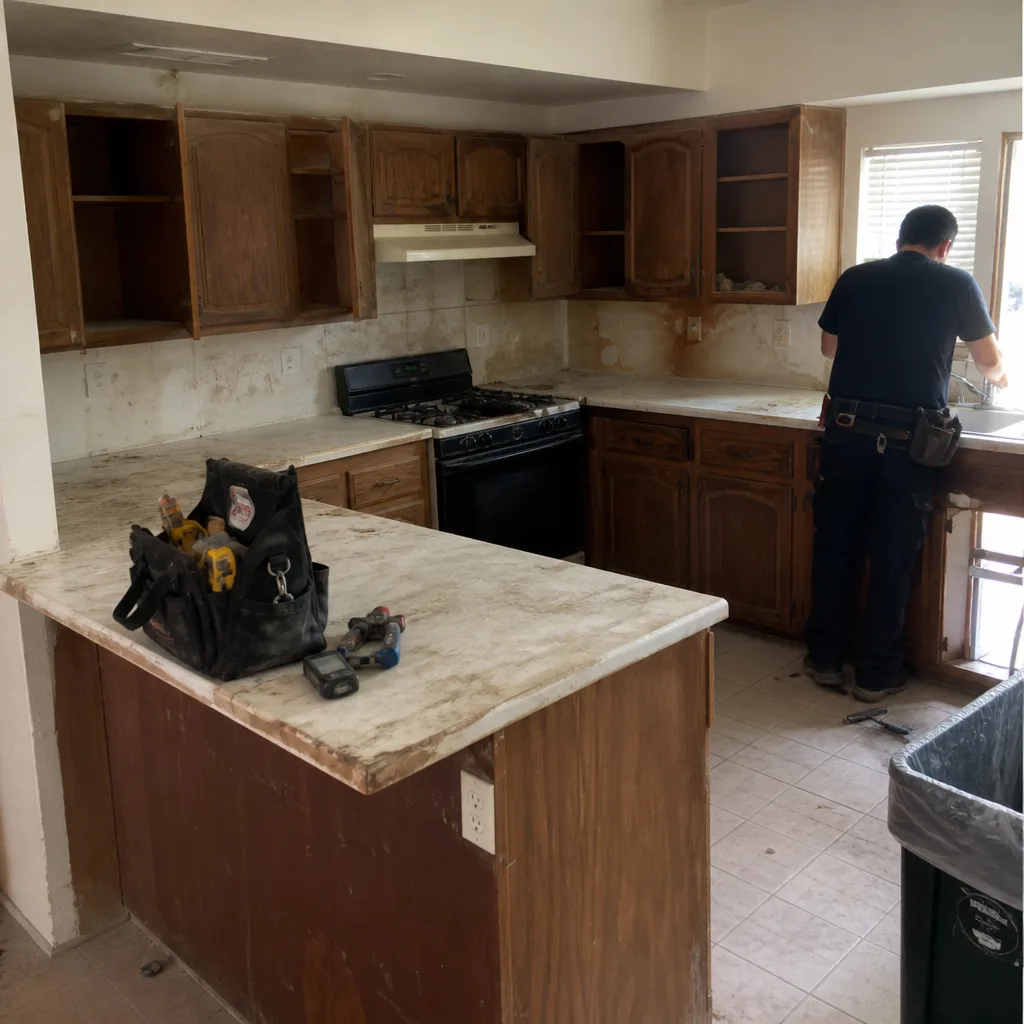
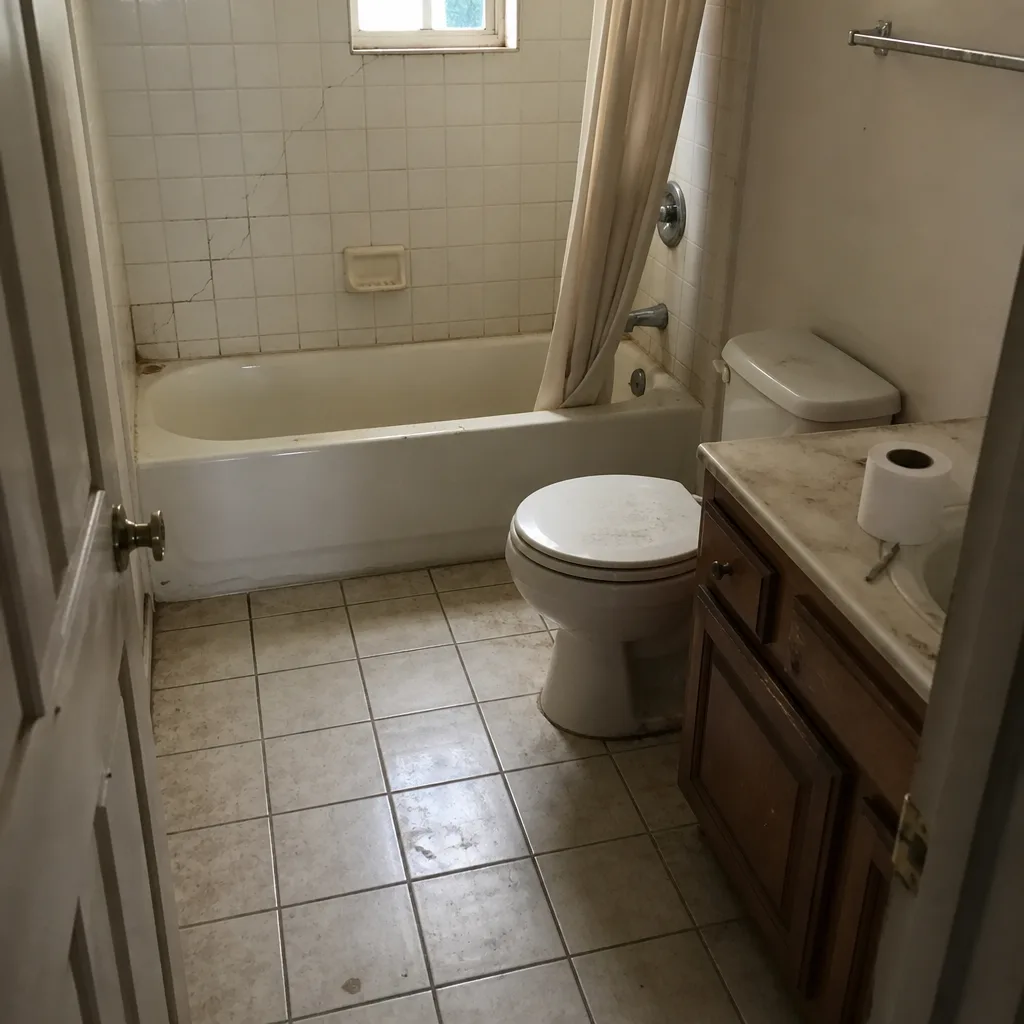
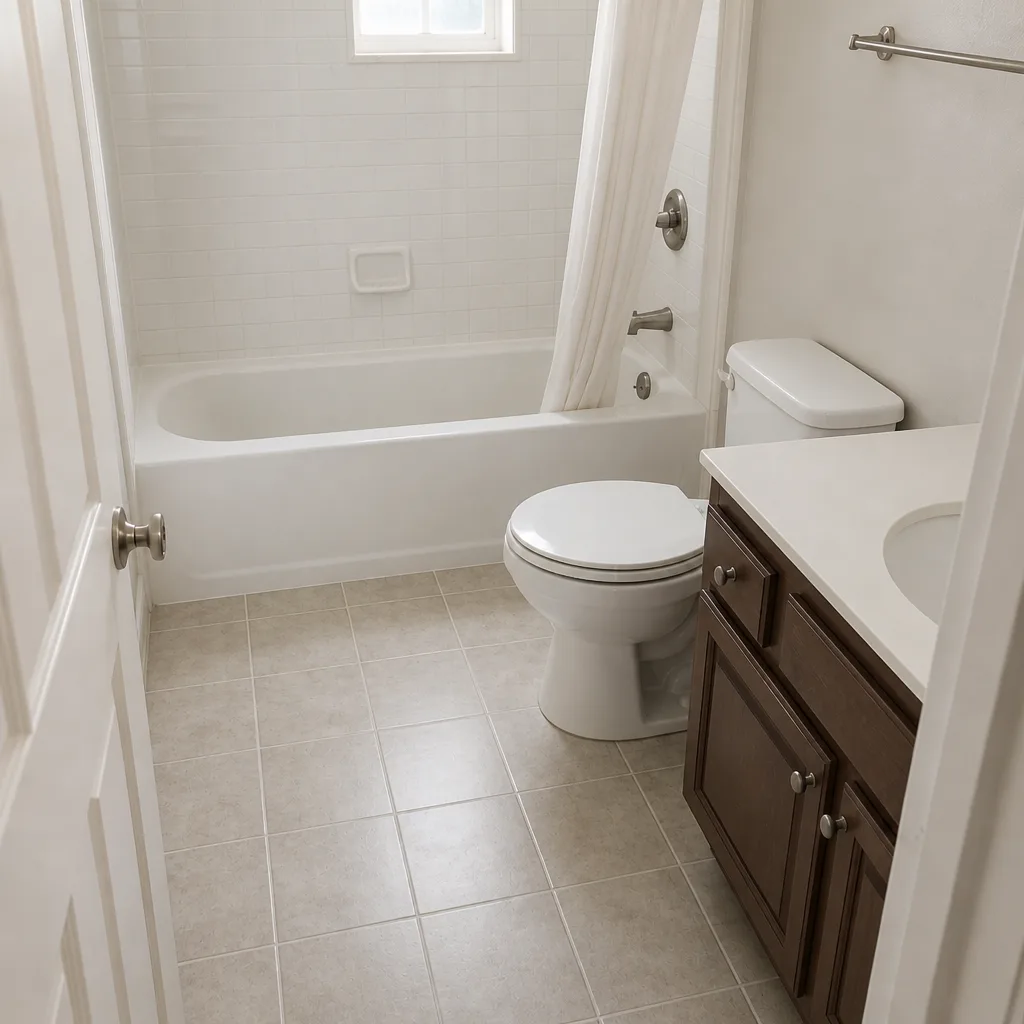
See the difference
 Before
 After
 Before
 After
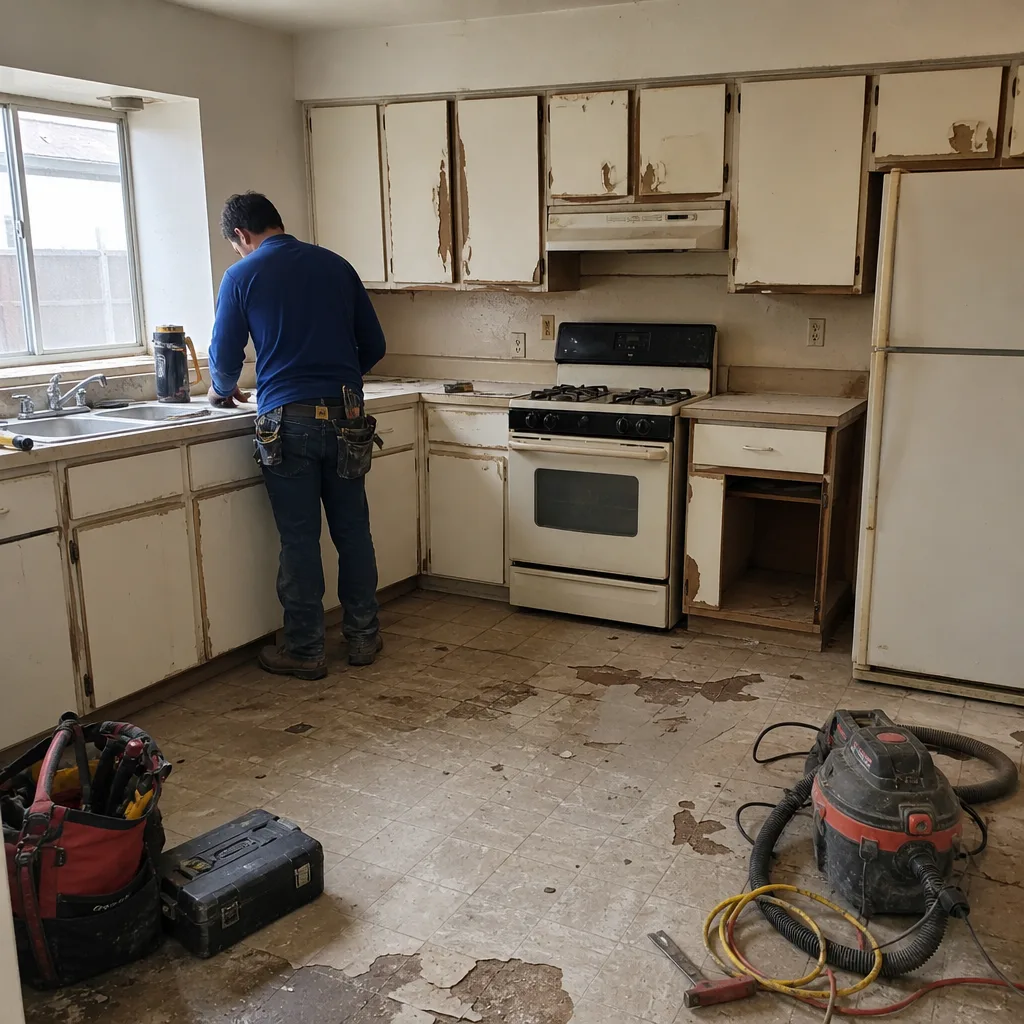 Before
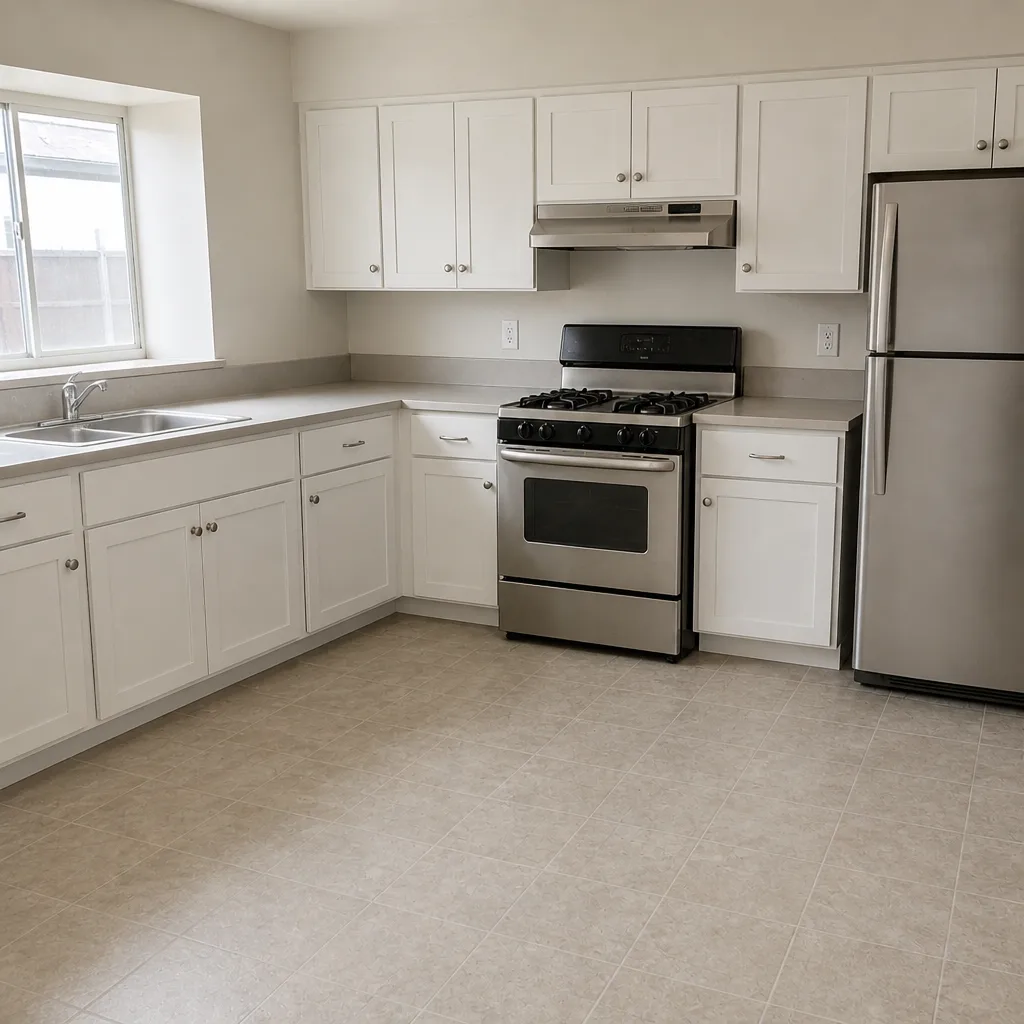 After
When to Call a Professional
Call a professional when water has gotten behind a wall, when a roof flashing or granule-loss issue is confirmed, when a water heater or major fixture is failing from scale, or when you’re repairing the same spot for the second or third year running. Electrical, gas, and roof-height work are never DIY projects; those deserve a licensed trade. For general contracting and remodeling in Summerlin, Elmstead Remodeling Summerlin offers free estimates. Call (844) 797-4877 and we’ll give you a written price before any work starts, along with a clear read on whether repair or replacement is the wiser call.
Frequently Asked Questions

Every six months, not once a year. UV exposure dries and pulls caulk away from window frames, door thresholds, and stucco corners faster here than in milder climates, and a failed bead lets water in long before you see damage indoors.
Yes, yearly. Summerlin’s hard water depletes the sacrificial anode faster than soft water does, and the rod is what protects the tank from corrosion. Have it checked and replaced when worn; it’s far cheaper than a new heater.
Right after monsoon season, roughly September or early October. Wind-driven rain during July through September exposes flashing and scupper-drain issues, and inspecting while the evidence is fresh catches problems before they spread. Do it from the ground with binoculars, and hire a roofer for anything on the roof itself.
Every 30 to 60 days, and more during spring pollen and after windstorms. Summerlin’s dust and pollen load clogs filters faster than the manufacturer’s average guidance, and a clogged filter makes the whole system work harder.
Simple fixes like recaulking window frames or descaling fixtures are low-cost and often DIY, while water-heater anode replacement, roof flashing repair, or fixture replacement where hard water has done real damage run more and depend on the extent found. Call (844) 797-4877 for an exact quote; estimates are free and come with a written price before any work starts.
No. We give a written price before any work begins, on every project, and it doesn’t grow after the crew arrives. If we find something mid-job that changes the scope, you’ll hear about it before we continue, at a stated price, not a surprise on the invoice.
The Bottom Line
The two forces that actually wear down a Summerlin home are sun and hard water, not the seasons. That means inspecting caulk every six months, checking the water-heater anode and descaling fixtures yearly, scheduling roof and flashing checks after monsoon season, and changing HVAC filters on a dust clock rather than a manufacturer’s. Keep a home log so the next contractor starts from facts instead of guesses. Do those four things and most of the expensive repairs you’d otherwise face get caught while they’re still cheap. When a repair turns into a project, call (844) 797-4877 for a free estimate.
Written by the team at Elmstead Remodeling Summerlin.