Last updated November 18, 2026








Free written scope consultation - allowances, timeline, and change-order rules on paper before a single trade is scheduled
General Contractor Maintenance Schedule: What to Do and When
Stucco covers roughly 90% of the homes in Summerlin, and every one of those walls should be walked and inspected each October, before winter temperature swings turn a hairline crack into a channel that lets water behind the finish. Most homeowners don’t know stucco inspection is a maintenance task at all, let alone one tied to a warranty clock. That’s the gap this guide closes. What follows is a month-by-month schedule built for Las Vegas’s dry, high-UV climate, plus the maintenance windows hiding inside your post-remodel warranties and a simple log that keeps them valid.
Quick Answer
A post-remodel home maintenance schedule in Summerlin runs on a calendar, not a vague “twice a year” rule: caulk and sealant checks every March and October, HVAC filters monthly through dust season, roof flashing and stucco inspections each October, and irrigation and drainage walks before monsoon season in July. Log every task with a date and a photo. Most roofing, window, and waterproofing warranties require documented upkeep to stay valid, so the log is as important as the work.
Styles & brands we work with
- Kitchen remodeling
- Bathroom remodeling
- Home additions & ADU
- Roofing
- Windows & doors
- Driveway & pavers
- Fence
Table of Contents
- Why a Post-Remodel Maintenance Schedule Matters More in Summerlin
- The Month-by-Month Summerlin Maintenance Calendar
- Which Post-Remodel Warranties Require Documented Maintenance
- How to Keep a Maintenance Log That Holds Up in a Warranty Claim
- What You Can Safely Do Yourself vs. What Needs a Licensed Tradesperson
- What the 365-Day Post-Project Walkthrough Should Cover
- Common Mistakes to Avoid
- When to Call a Professional
Why a Post-Remodel Maintenance Schedule Matters More in Summerlin
Summerlin sits at the edge of the Mojave, where the sun is relentless, the humidity is low, and the temperature swings between a July afternoon and a January night can exceed 60 degrees. That combination is hard on building materials. Sealants that would last five years near the coast can dry, crack, and pull away from a joint in two or three here. Wood trim and James Hardie siding fade faster under UV that doesn’t get filtered by cloud cover. Roof flashing expands and contracts with each swing until a fastener works loose.
None of that is a defect. It’s climate. What makes it expensive is missing the maintenance window that would have caught it. In our experience, the difference between a ten-year roof and a fifteen-year roof in Summerlin often comes down to whether someone checked the flashing each fall. And once you’ve remodeled, those materials are usually newer and more expensive than what they replaced, which raises the cost of letting them go.
Summerlin also has its own dust season. Spring winds off the valley floor push fine silt into every crack and filter in the house. We’ve seen filtration systems clogged solid by late May in homes where the filter was swapped in February and never touched again. The calendar below is built around those local rhythms, not a generic national checklist. If you want the big-picture view of what a full remodel includes, our general contractor services in Summerlin page lays out the scope that this schedule is meant to protect.
The Month-by-Month Summerlin Maintenance Calendar
Here’s the schedule we hand to families after a project closes out. Print it, put it on the fridge, and check tasks off as you go. Each month’s work assumes the one before it was done.
January – February: Interior and Systems Check
- Replace HVAC filters and note the date. Winter is mild enough that you can inspect the attic and crawl access without heat stress.
- Check under every sink and around the water heater for slow leaks. Cold nights plus warm days can loosen fittings that sat tight all summer.
- Walk interior door and window frames for new gaps. A gap that appeared over the holidays is usually a sealant issue, not a structural one.
March: Pre-Summer Caulk and Sealant Pass
This is the most important month on the calendar. Before the first 100-degree day, inspect and touch up every exterior caulk joint: around windows, at the base of walls, where stucco meets trim, and along the roof-to-wall transition. Heat cures and shrinks sealant; if a joint is already compromised in March, it will fail by July.
April – May: Dust Season HVAC Work
- Switch to monthly filter changes through the end of dust season. March through June is when the fine silt is worst.
- Have the HVAC system serviced and the coils cleaned. A service visit in April costs far less than a compressor replacement in August.
- Check weatherstripping on exterior doors. Dust gets in through the same gaps cool air gets out of.
June: Pre-Monsoon Roof and Drainage Inspection
Monsoon season typically arrives in July. Before it does, walk the roof edge, check flashing around vents and skylights, clear the gutters (yes, Summerlin homes have them), and confirm that the grades around the foundation slope away from the house. A clogged downspout during the first monsoon can put water against a newly remodeled wall in an hour.
July – August: Monsoon Watch
After any significant storm, look for water stains on ceilings, ponding on flat sections of roof, and new cracks in stucco near the roofline. Take a photo of anything you find. If you’ve just finished a kitchen remodeling project in Summerlin, check the ceiling below any new roof penetrations from vent hoods and skylights. That’s where monsoon leaks show up first.
September: Irrigation and Exterior Walk
Check drip lines and sprinkler heads for clogs and breaks. In a dry climate, a broken emitter valve can waste hundreds of gallons a week and soften the soil around the foundation. Walk the perimeter and look for settling or cracking at the base of exterior walls.
October: Stucco and Sealant Inspection (the Big One)
- Walk every exterior wall and mark any hairline crack with chalk. Cracks wider than a credit card need a professional look.
- Re-inspect and touch up exterior caulk joints. This is the fall counterpart to the March pass.
- Have the roof flashing checked again before winter temperature swings arrive.
- Schedule window and door weatherstripping replacement if it’s dried out over the summer.
November – December: Interior Reset
Change HVAC filters again, drain and flush the water heater if it’s due, and test smoke and carbon monoxide detectors. Take a final set of photos of each room for the year’s log. When spring arrives, you’ll have a clean baseline to compare against.
Which Post-Remodel Warranties Require Documented Maintenance
The manufacturer warranty on the products in your home is only as strong as the paper trail behind it. We’ve seen claims denied because the homeowner couldn’t show that the roof flashing was inspected or that the waterproofing membrane was properly maintained. Here’s the short version of which warranties are maintenance-sensitive:
- Roofing manufacturer warranties (GAF, for example) typically stipulate routine inspection and prompt repair of any damage. Some require the roof be inspected by a qualified professional at least once a year, and a missing inspection is grounds for denial.
- Window and door warranties often require that the surrounding sealant be maintained and that the frame not be altered. Caulk is a maintenance item; the window is the warranty item, and the two are linked.
- Waterproofing membrane warranties, including Schluter systems installed in showers and wet areas, require that drain assemblies not be modified and that tile be kept properly sealed where applicable. Altering the drain or using an incompatible cleaning product can void coverage.
- Siding and exterior warranties from James Hardie require that the finish be maintained and that any moisture intrusion be repaired promptly. A caulk failure left unrepaired for a season can be enough to trigger a denial.
The common thread: prompt maintenance and a record of it. If you have any doubt about what your specific warranty says, pull out the paperwork and read the maintenance section. It’s usually a page and a half, and it’s the page that matters most in a claim. For families planning a bathroom project, our bathroom remodeling in Summerlin page explains how membrane warranties work on the products we install.
How to Keep a Maintenance Log That Holds Up in a Warranty Claim
A maintenance log is not a diary. It’s evidence. If a warranty claim is ever disputed, the log needs to answer three questions: what you did, when you did it, and who did it. Here’s the format that works:
- Date and task. Write “October 14 – stucco crack inspection, 3 hairline cracks sealed, 1 referred to contractor.” A line like “did maintenance” won’t help anyone.
- Who performed it. If you did it yourself, say so. If a licensed tradesperson did it, record the company name. Warranty reviews often turn on whether the work was done by a qualified party.
- Receipts and photos. Keep a photo of the finished task and the receipt for any product or service used. Photos of a clean caulk joint, a replaced filter, or a cleared gutter are worth more than the receipt.
- Problems and follow-up. Note anything you found but did not fix, and how you resolved it. A log entry that says “hairline crack at northwest corner, monitored through winter, sealed in March” shows a homeowner who acted in good faith.
- Keep one binder. Paper is fine, but a cloud folder works too. The point is one place, not three drawers. Manufacturers and warranty adjusters want a single, coherent record.
If you’re a family that has just been handed the keys after a remodel, set up the binder before the crew leaves the driveway. We walk families through this at the post-project walkthrough; it’s part of what we hand over, not an afterthought.
What You Can Safely Do Yourself vs. What Needs a Licensed Tradesperson
A surprising number of maintenance tasks are genuinely safe for a homeowner to handle. The rest are not. Here’s the line, drawn honestly:
Safe for a homeowner
- Replacing HVAC filters. Simple, monthly during dust season, and the single cheapest thing on this list.
- Caulk touch-up at ground level. Soapy water, a caulk gun, a 10-minute job per joint. If you can stand on a step stool, you can do this.
- Clearing gutters and downspouts from a stable ladder, if you’re comfortable with heights.
- Testing smoke and carbon monoxide detectors, and replacing batteries.
- Photographing anything you find and documenting it in the log.
Requires a licensed tradesperson
- Any work above the first story or on the roof. A fall from a Summerlin roofline is a serious injury. Roof inspections and repair, including flashing, need a licensed roofer.
- Stucco crack repair beyond hairline surface cracks. Sealing a stucco crack incorrectly can trap moisture behind the finish and create a much larger repair. This is a professional job, and it protects the finish warranty.
- Waterproofing membrane work of any kind. Removing a shower drain cover, re-grouting a tiled shower floor, or modifying the shower pan around a Schluter membrane are all warranty-voiding activities without a licensed professional.
- Electrical, plumbing, and gas work. Even something as seemingly minor as moving a light switch or adjusting a gas line for a new range is a licensed trade. The risk is real and the permit matters for resale.
- Anything requiring a permit. Pulling a permit is a licensed contractor’s job, and unpermitted work can invalidate insurance and complicate a future sale.
When in doubt, call the trade. A $150 service call is a better deal than a $3,000 repair and a voided warranty. Background-checked, uniformed technicians on every job is a standard we hold ourselves to, and it’s the same standard we’d suggest you expect from any trade who comes to your door.
What the 365-Day Post-Project Walkthrough Should Cover
At the one-year mark after a project closes, materials have been through a full Summerlin cycle: a summer of heat, a monsoon season, and a winter of temperature swings. That’s exactly why a 365-day walkthrough exists. Here’s what it should cover, and how to prepare:
- Every room in the project scope. Check caulk at every fixture, grout in tile, and paint at every seam. Note any area that has moved, cracked, or discolored.
- All doors and windows. Open and close each one. Note any that stick, drag, or no longer latch cleanly. Hardware that loosened over the year should be tightened or replaced.
- Exterior surfaces. Walk the exterior of the project area. Stucco, siding, trim, and roof connections that were touched should all be checked. This is the walk where new hairline cracks at the base of a wall get flagged early.
- Waterproofing and wet areas. Look for any sign of moisture at shower edges, tub surrounds, and under sinks. Water damage caught at the one-year mark is almost always a fix; caught at the three-year mark, it’s a restoration project.
- Bring your log. The walkthrough is more effective when you can show what you’ve already done. Bring the binder, the photos, and the receipts.
- List small issues before the visit. Write down the small things you noticed over the year, even the ones that seemed too minor to mention. Small issues surface at the walkthrough and get resolved under the 365-Day Done Right Promise before they become expensive.
The purpose of the walkthrough is not to find fault. It’s to catch the natural settling and wear that every home experiences in a climate like this one and to make it right while the fix is still small. If you’d like a free estimate on the next phase of your home, or a walkthrough of a project that’s wrapping up, the crew at Elmstead Remodeling Summerlin is happy to help.
Common Mistakes to Avoid
- Skipping the October stucco check. By November, the temperature swings have already widened any hairline crack. Catch it in October and it’s a touch-up; catch it in January and it’s a repair with moisture behind it.
- Replacing HVAC filters on a seasonal schedule instead of a dust-season schedule. In Summerlin, monthly filter changes from March through June do more for your indoor air and your equipment than a spring and fall replacement ever will.
- Throwing away the warranty paperwork. The manufacturer warranty on your KraftMaid cabinets, Cambria counters, or GAF roof is a document, not a memory. Keep it in the maintenance binder.
- Using the wrong caulk. Exterior joints need a paintable, flexible exterior-grade sealant. Interior caulk will fail on a Summerlin wall within a season. Ask before you buy.
- Treating the maintenance log as optional. A warranty claim is a paper review. If you can’t show the log, you can’t win the review.
- Climbing onto the roof to “take a quick look.” Roof inspections are a licensed roofer’s job for a reason. Every year we hear about a homeowner who tried it and ended up in the emergency room.
- Ignoring the first-year walkthrough. Small issues surface at the 365-day mark and are covered under our 365-Day Done Right Promise. Miss the walkthrough and you miss the window.
If you’re wondering what brands are behind the products you’re maintaining, our Elmstead Remodeling Summerlin home page names the cabinet, counter, fixture, and exterior partners we install and explains how their warranties travel with the finished project.
See the difference
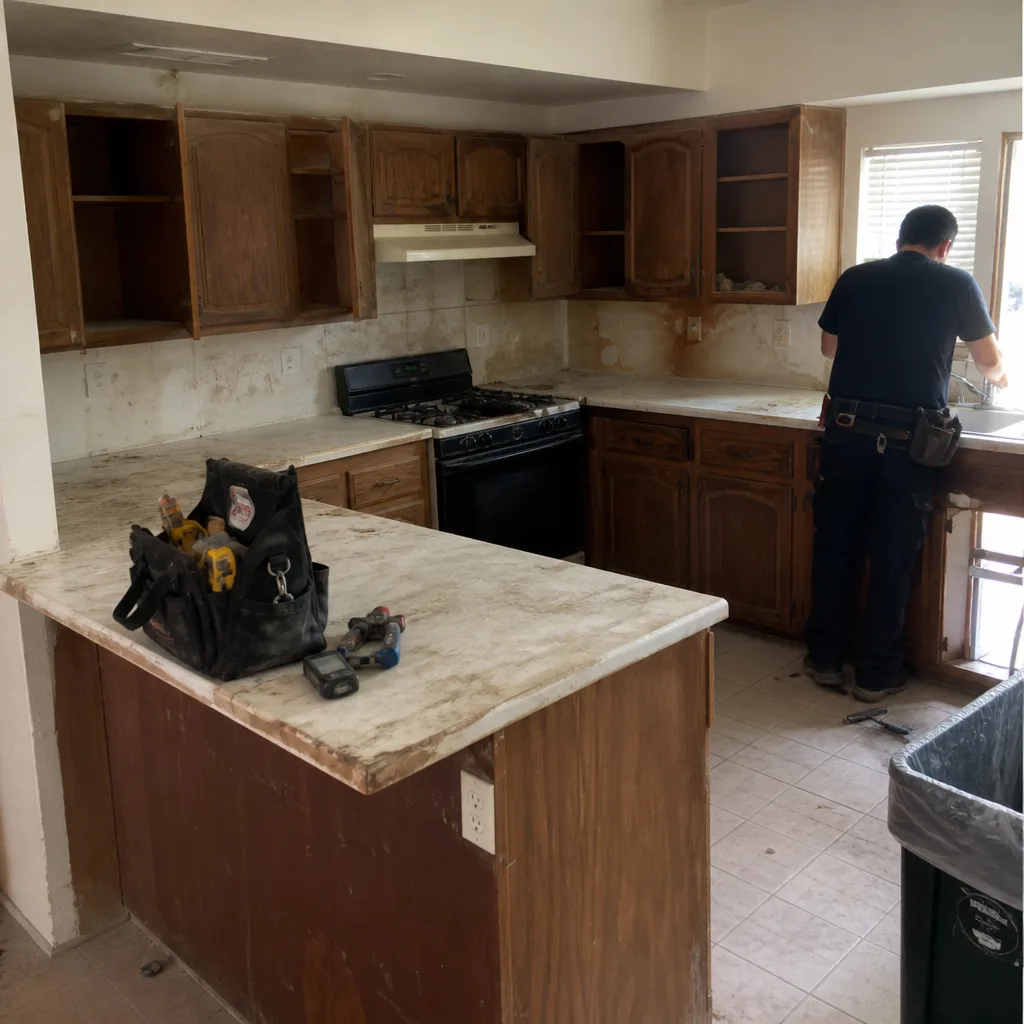 Before
 After
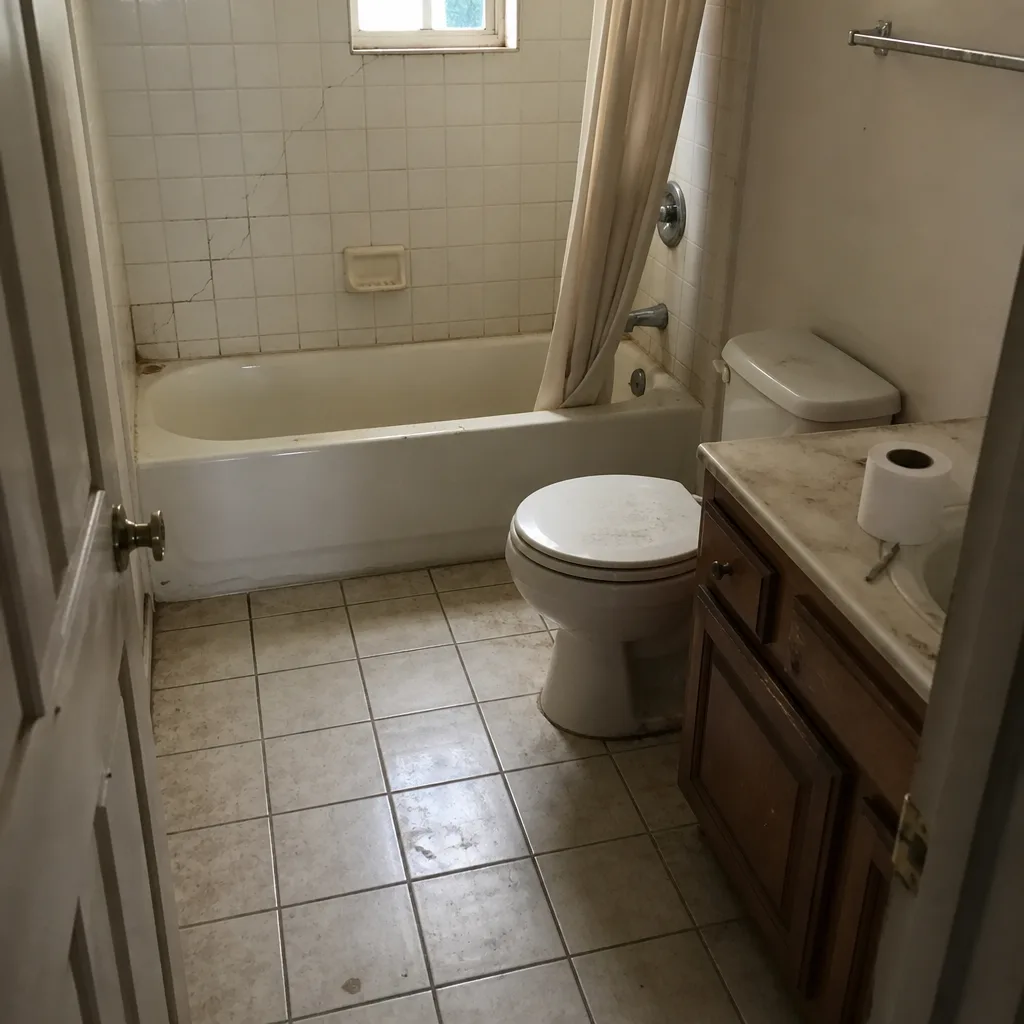 Before
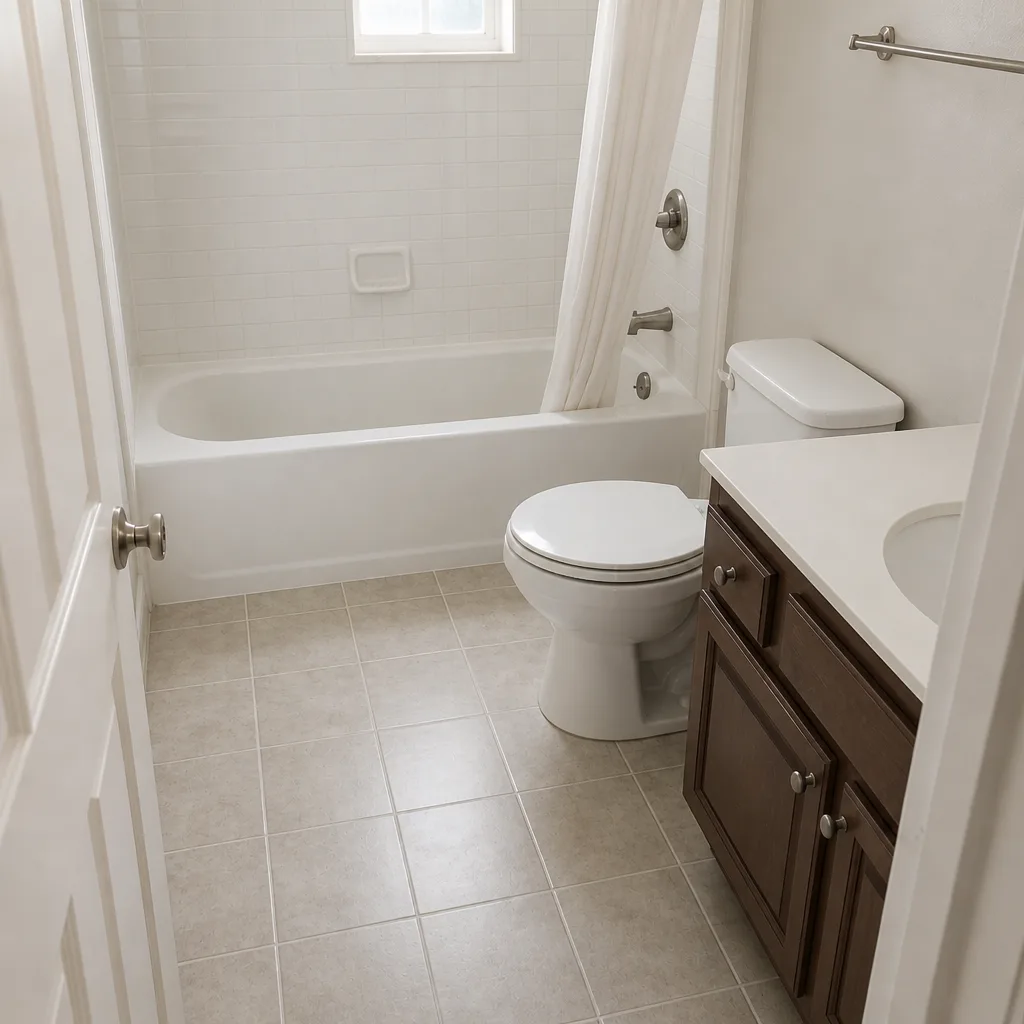 After
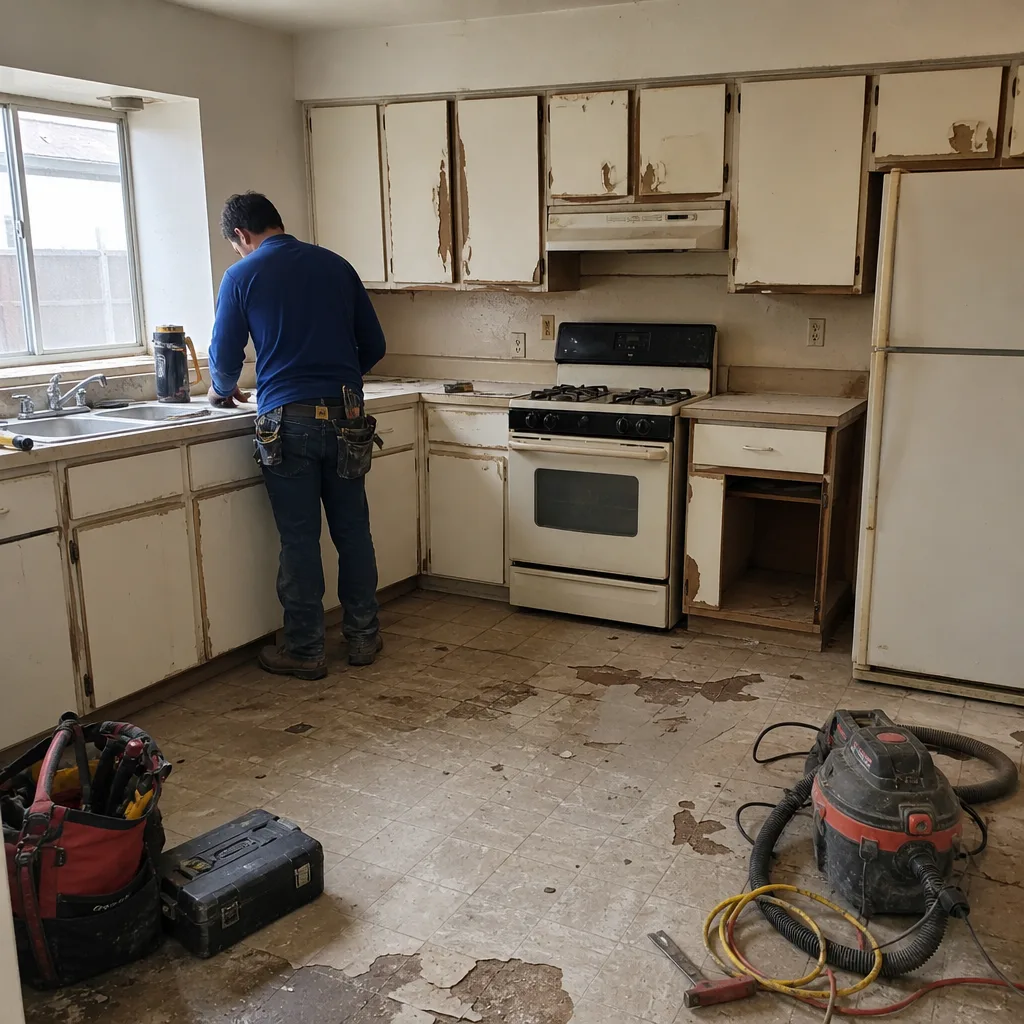 Before
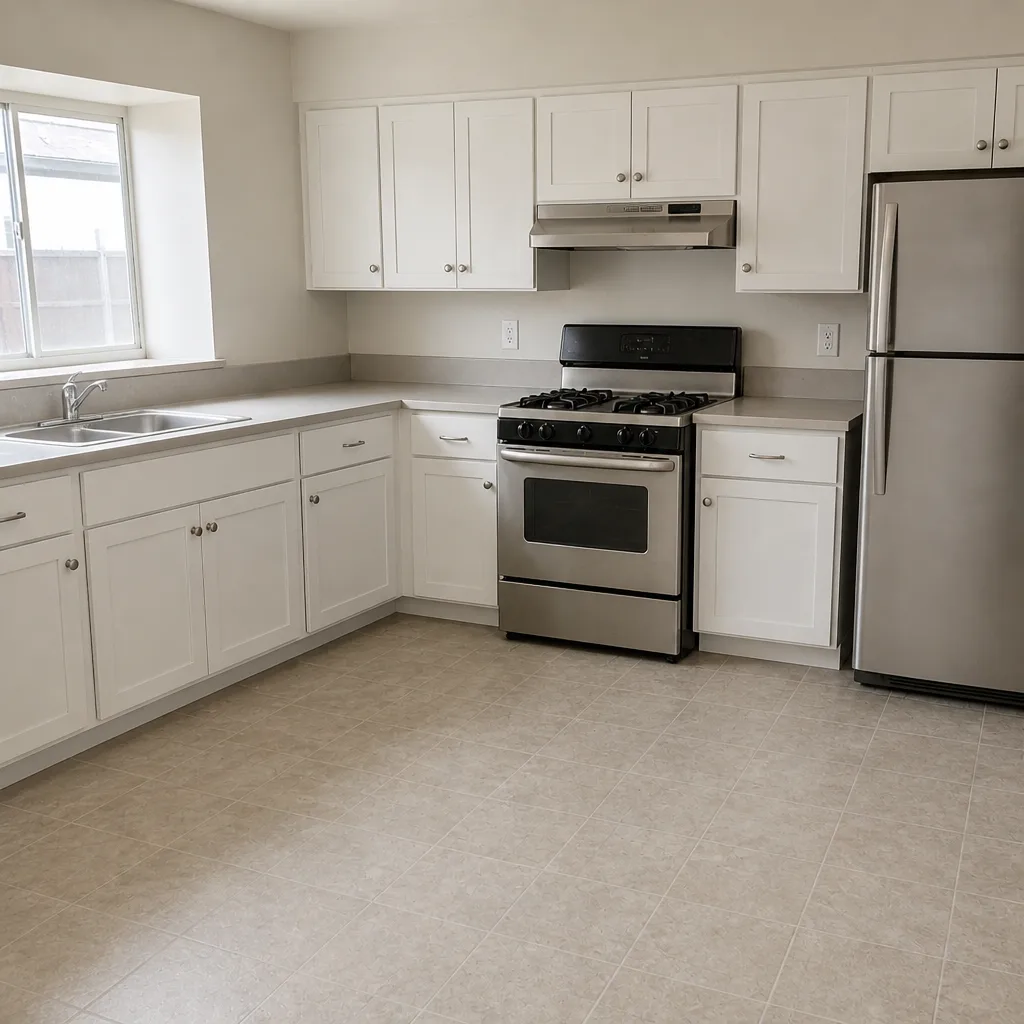 After
When to Call a Professional

Some maintenance is routine. Some of it is a phone call you make right away. Call a licensed professional if you see any of the following: a stucco crack wider than a credit card, water staining on a ceiling or inside a wall cavity, a roof leak after a monsoon storm, a shower drain that won’t sit flush, any gas smell, any electrical smell, or a window or door frame that has visibly shifted. Also call if you’re unsure whether a task requires a permit, because the answer often decides whether the work is safe and whether your warranty remains valid.
Elmstead Remodeling Summerlin offers free estimates in Summerlin. Call (844) 797-4877 and a live person will answer, day or night, and help you figure out whether the issue is a maintenance item or a repair. The phone is answered 24/7 by a person, not a voicemail box. Estimates are written, no-hassle, and line-item priced before any work starts.
Frequently Asked Questions
Twice a year, at minimum: once in March before the summer heat, and once in October before the winter temperature swings. The October inspection should include a full stucco walk, since stucco is the finish on roughly 90% of Summerlin homes and hairline cracks widen with the first cold snap. Call (844) 797-4877 for a free estimate if you find cracks that need professional repair.
It can. Most manufacturer warranties, including those on roofing, windows, and waterproofing membranes, require routine inspection and prompt repair of any damage. Failing to inspect or document upkeep is a common reason claims get denied. Keep a dated log with photos and receipts, and call (844) 797-4877 for a free estimate on any repair before it becomes a warranty problem.
No. Filter replacement and ground-level caulk touch-up are maintenance tasks that don’t require a permit. Anything structural, electrical, plumbing, gas, or roof-related usually does, and unpermitted work can hurt you at resale. Call (844) 797-4877 for a free estimate if you’re not sure which side of the line your project falls on.
Twelve months from project completion. If something wasn’t done right after the job is complete, we make it right within that window. The one-year walkthrough is designed to surface small issues before they become expensive ones, and it’s included on every project. Call (844) 797-4877 to schedule yours.
Walk the edge (from the ground, not the roof), check flashing around vents and skylights, clear the gutters, and confirm the ground slopes away from the foundation. Any roof-level work needs a licensed roofer, not a homeowner. Call (844) 797-4877 for a free estimate if your inspection turns up anything that needs a professional look.
The 365-Day Done Right Promise covers our workmanship for a full year after project completion. Manufacturer warranties, like those from KraftMaid, Cambria, Kohler, and James Hardie, cover the products themselves and require documented maintenance to stay valid. The two work together, and both depend on the maintenance log. Call (844) 797-4877 for a free estimate and a walkthrough of your documentation.
The Bottom Line

A general contractor’s work doesn’t end at punch-list sign-off. The materials installed in your home have maintenance windows that, if missed, can void warranties and shorten the life of the work. In Summerlin, that calendar is set by the climate: March and October for caulk and sealant, monthly through dust season for filters, June for roof and drainage before monsoon season, and October for the stucco walk. Log every task with a date and a photo, know which tasks are safe to do yourself and which need a licensed trade, and use the 365-day walkthrough to catch small things early. Call (844) 797-4877 for a free estimate whenever you want a professional eye on the schedule.
Written by the team at Elmstead Remodeling Summerlin.